

There is no easy way to choose the appropriate option of care for aging parents or other loved ones. Assisted living is one of the intermediaries between independent living and full-time medical care.
This guide breaks down the pros and cons of assisted living clearly, so you can decide what truly fits your family’s needs—without confusion or pressure.
What Is Assisted Living?
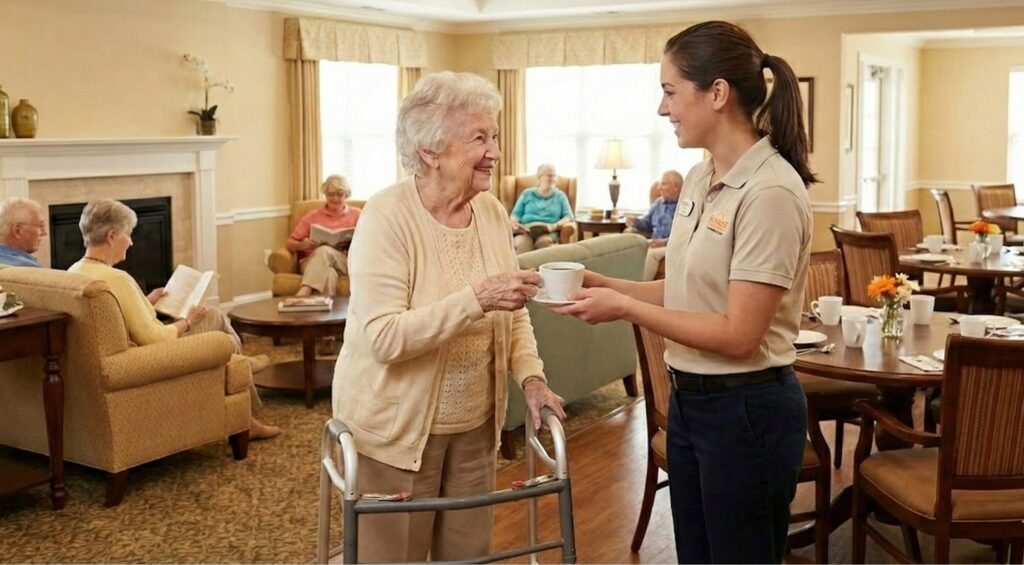
Assisted living is senior housing that is provided to elderly people who require assistance in their day-to-day tasks but do not need close medical attention.
Personal support, safety, and social interaction are provided to the residents, but do not take away the sense of independence and dignity in an assisted living facility.
Assisted living is also more lifestyle-oriented, comfortable, and routine-based than hospitals or nursing homes, as it is not really limited to constant medical supervision.
What Assisted Living Facilities Typically Provide
Personal care support
Assistance with bathing, dressing, grooming, and mobility according to individual needs.
Medication reminders
Employees make sure that medications are taken at the right time, which minimizes health risk situations due to missed doses.
Meals
Healthy, regular meals that are made based on the senior’s diet.
Social activities
Social and mental activities and recreational programs for groups to maintain the residents.
Safety and supervision
24/7 surveillance, emergency management, and safe residence.
Who Assisted Living Is Meant For
Older adults who can’t live alone safely
This extends to the older population who are at risk, such as falls, forgetfulness, or struggles to perform their daily chores independently. Assisted living is a secure place where an individual is under full-time supervision and immediate assistance in case of an emergency.
Seniors needing mild to moderate support
They are aged people who do not require full-time medical care but need assistance with their daily activities, such as taking a bath, dressing, or taking medication. Assisted living provides the appropriate balance of care at the same time preserving independence.
Elders requiring structured daily routines
Some elders work better by having a set routine of meals, activities, and then taking a rest. Assisted living offers a consistent schedule that enhances psychological health, reduces anxiety, and promotes healthier living.
Pros and Cons of Assisted Living
The pros and cons of assisted living play an important role in choosing the right care option for seniors. Understanding both sides helps families make thoughtful decisions that balance support, independence, and quality of life.
Benefits of Assisted Living (Pros)
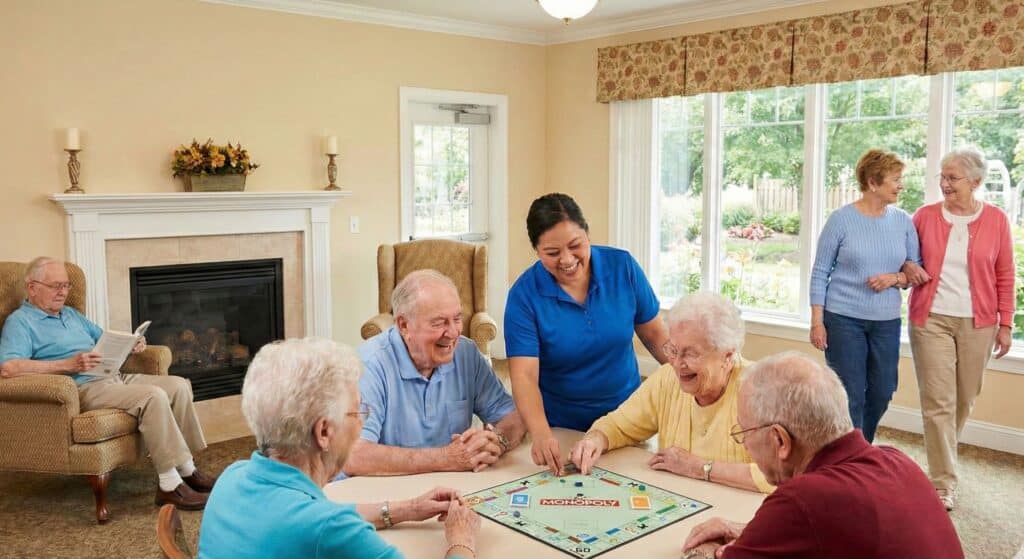
Assisted living provides a supportive and secure environment designed to meet the everyday needs of seniors. Here are some of the key benefits of assisted living, which make it a preferred choice for elders and their families.
Increased Safety and Support
- There is never a shortage of emergency help.
- Minimizing fall and accident risk.
- Infrastructure is safe and elderly friendly.
Help With Daily Activities
- Personal hygiene and mobility assistance.
- Less stress for family caregivers.
- Individually based care.
Social Interaction & Community Living
- Daily communication with colleagues.
- Less loneliness and isolation.
- Group activities and events organized.
Access to Health & Wellness Services
- Regular health monitoring
- Medicine administration assistance.
- Fitness initiatives such as yoga or light weight training.
No Home Maintenance
- No cleaning, repairs, or cooking stress.
- The facility deals with maintenance.
- Seniors are about living and not working.
Structured, Predictable Routine
- Regular food and exercise regimes.
- Improvement in sleep and mental stability.
- Perfect for the elderly who are habitual.
According to the National Institute on Aging, assisted living is a residential option that provides help with daily activities for older adults who don’t require the medical care of a nursing home.
Limitations of Assisted Living (Cons)
Higher Monthly Costs
Assisted living homes are costly, particularly where extra care is needed. Expenses can be increased with the increase in care requirements.
Adjustment to a New Environment
Leaving a long-time residence can be emotionally challenging and overwhelming for most elders.
Limited Medical Care
Assisted living does not fit the elderly who require 24-hour medical attention or high-level nursing care.
Less Personal Privacy
Personal freedom may be diminished by mutual spaces, habitual schedules, and supervision of staff.
Varying Quality Across Facilities
Not all assisted living homes offer the same standards of care, staff training, or amenities.
Potential Separation From Family
In case the facility is remote from the home, family visits might be hard to implement frequently.
Assisted Living vs Staying at Home

Choosing assisted living vs staying at home depends on a senior’s safety, support needs, and lifestyle preferences. Understanding the key differences helps families make a practical and confident care decision.
Independence Level
Living at home enables the seniors to stick to familiar surroundings and follow their own schedule. Assisted living, however, is a tradeoff between autonomy and on-demand assistance so that help is not deprived of one’s personal freedom.
Costs Comparison
At first glance, home care can seem cheaper, particularly where there is minimal support. In the long run, the expenses of caregivers, alterations of the homes, and medical assistance might accumulate and might be much more than the organized price of assisted living.
Emotional and Social Impact
Seniors may also become lonelier and more emotionally isolated because of living alone. Senior assisted living promotes day-to-day communication, socialization, and bonding of the community, which are favorable to mental and emotional health.
Safety Considerations
Homes can be without protection mechanisms that may be necessary for aged persons, which puts them at risk of accidents. Assisted living facilities are senior safe and offer emergency response systems that have trained staff that is available 24/7.
Factors to Consider Before Choosing Assisted Living
Health Needs
Assess the state of health of the senior and the needed degree of support. Also, think about future requirements in order to make sure that the facility will be able to accommodate the varying care needs.
Budget and Long-Term Costs
Check the monthly price and other charges for extra services. It is necessary to think about long-term affordability as the care needs rise.
Facility Reputation & Certifications
Ensure that the facility is well licensed and within the requirements of the regulations. Reviewing and inspection reports of reading assist in measuring the quality of care delivered.
Location and Accessibility
Select a facility that is near the family members so that they can visit it regularly and provide emotional support. Hospitals and clinics are also easily accessible.
Staff-to-Resident Ratio
The facilities having less staff-to-residents ratios can provide more personal care. This will enable the residents to get attended to promptly and with increased support.
Activities and Community Culture
Active activities and a welcoming community will enhance the emotional status of the seniors. Positive culture makes residents feel special, engaged, and connected in society.
What to Expect in an Assisted Living Home
An assisted living home is a residential home that is provided with private or semi-private accommodations, daily assistance, meals, and recreation.
People are free to live their life but with assistance- the staff are present, but they do not interfere in their lives. Care plans might change over time with a change in needs.
To the family, it is a peace of mind to have their close ones in assisted living to know that the seniors are secure, well taken care of, and have a social life.
Why Choose Gracias for Assisted Living?
When understanding the pros and cons of assisted living, choosing the right provider makes all the difference. Gracias Assisted Living is targeted at compassionate care, comfort, and dignity.
Gracias has trained caregivers, individualized care plans, and a warm community atmosphere, thus making seniors feel honored but not institutionalized.
Gracias is a place that families prefer since it is more like an extension of the family.
FAQs About Assisted Living
What is included in assisted living?
Personal care, meals, medication reminders, social activities, safety monitoring, and housekeeping are typically included.
How is assisted living different from nursing homes?
Assisted living is centered on the day-to-day support and lifestyle, whereas nursing homes are centered on intensive medical care and nursing services.
What age qualifies for assisted living?
The vast majority of residents are above 60, yet age does not mean much in terms of eligibility, depending on the needs of care.
Are assisted living homes safe for dementia patients?
Yes, in cases of early to middle stages. Senior dementia can entail intensive memory care.
How much do assisted living facilities cost?
Prices differ depending on the locations, services, and type of rooms, with an average price of moderate to high monthly rates.
What are the Benefits of Assisted Living?
Better safety, social life, routines, decreased caregiver burden, and sensitivity of the elderly.