
Elderly care in Gurgaon with 24/7 nursing support.
Your parent gets personal daily support, fresh vegetarian meals, trained nurses day and night and a full social day. As a result, you get daily updates on WhatsApp and real peace of mind.
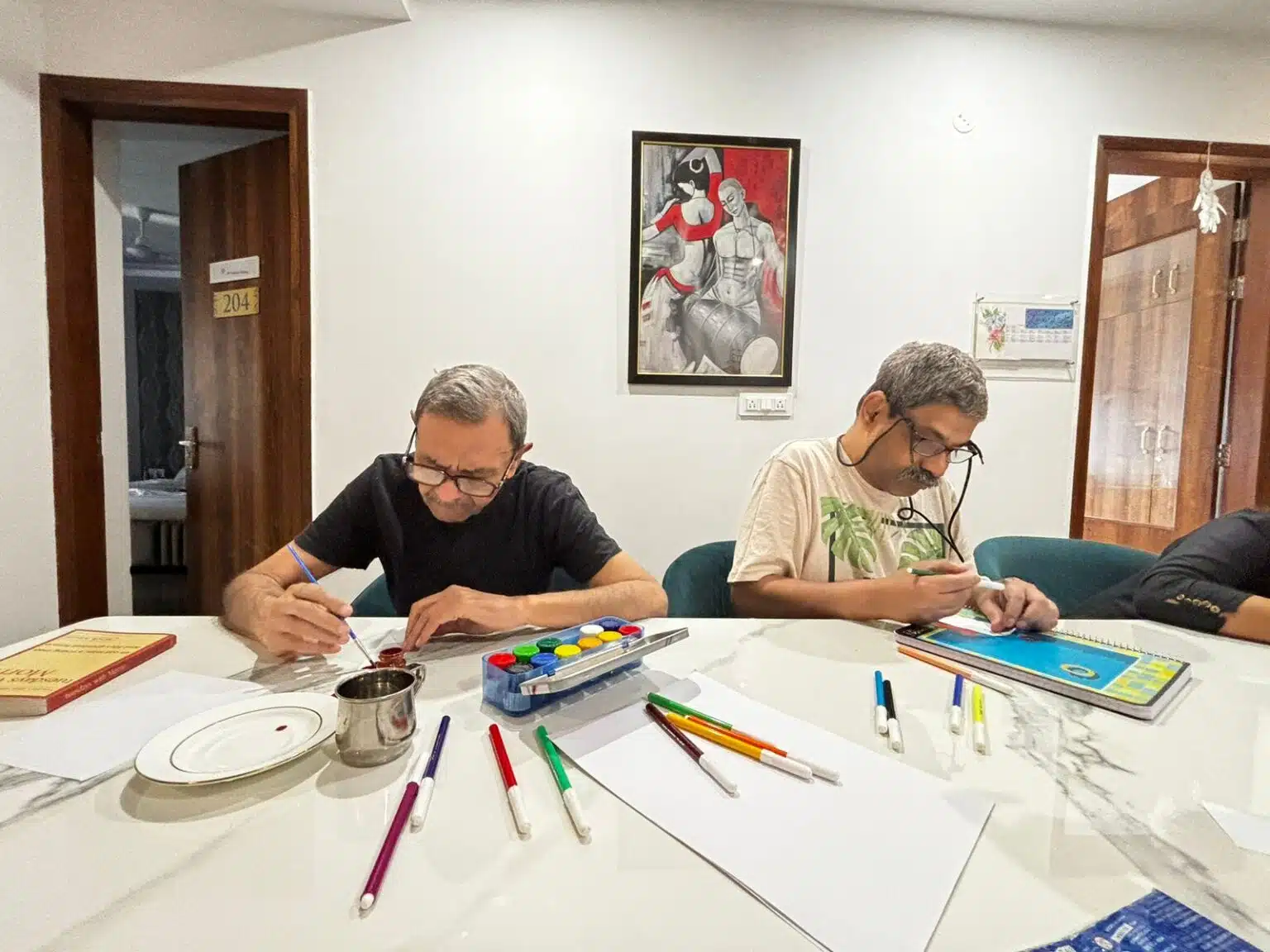
Quick answer: Elderly care at Gracias Living combines 24/7 nursing, personal daily support, balanced meals and daily activities in a residential setting in Gurgaon. Above all, it suits older adults whose needs have grown beyond what family alone can safely manage at home. Plans start at ₹66,500 a month for twin sharing, and we have cared for 233+ families from two centres in DLF Phase 3 and Sector 43.
When does a parent need more support?
Ageing slowly affects mobility, memory, confidence and daily routines. As a result, most families start looking for help when safety, personal care or loneliness becomes a worry.
For example, daily medicines, bathing, dressing or meals need closer support.
Falls, weakness or poor balance also make living alone less secure.
Too little contact then starts to affect mood, confidence or appetite.
Meanwhile, the family can no longer give the needed support every day.
What kind of care does your parent need?
Our residential care services cover the most common needs of older adults. We reassess care regularly, so the plan changes when your parent’s needs change.
Daily help with bathing, dressing, meals and medicines, plus 24/7 nursing.
Explore assisted living → 🧠Dementia careCalm routines, safe spaces and trained staff for memory loss and Alzheimer’s.
Explore dementia care → 🦵Stroke rehabilitationGuided rehab and daily practice to rebuild movement and confidence.
Explore stroke rehab → 🩹Post operative careSafe recovery after surgery with nursing, mobility help and daily monitoring.
Explore recovery care → 🕊️Palliative careGentle daily care, dignity and family time for seniors with serious illness.
Explore palliative care → 🧳Short staysStays of up to three weeks while family travels, rests or plans ahead.
Explore short stays → ✨Luxury old age homeTwin, single and double rooms with full daily care and an active community.
Explore our homes → 🌼Alzheimer’s carePatient, structured support for every stage of Alzheimer’s disease.
Explore Alzheimer’s care →How much does elderly care cost at Gracias Living?
Monthly plans start at ₹66,500 a month for twin sharing. However, your final price depends on room type, length of stay and the care your parent needs.
Monthly stay
Minimum one month, no fixed maximum- Twin sharing
- ₹66,500 a month
- Single occupancy
- ₹90,500 a month
- Double occupancy (spouses or siblings)
- ₹1,30,000 a month
- Refundable security deposit
- ₹3,75,000
- Refundable petty cash
- ₹25,000
- Agreement
- 11 months, renews automatically
Short stay
Up to three weeks- Rates
- Separate, quoted on your dates and care needs
- Security deposit
- None
- Refundable petty cash
- ₹25,000
- Good for
- Trial stays, recovery, family travel
Included every month: room, fresh vegetarian meals, 24/7 nurses and caregivers, medication management, daily vital checks, regular physician consultations, housekeeping, laundry and daily activities. Charged separately at actual cost: professional physiotherapy, medicines, medical tests, personal caregivers, electricity and optional services. Finally, we refund unused petty cash once all expenses are settled.
Also, we explain every charge before admission. See full pricing details
What should good elderly care include?
Good care looks after health, mood, safety and independence. It also keeps the small routines that help each resident feel known and respected.
Health monitoring
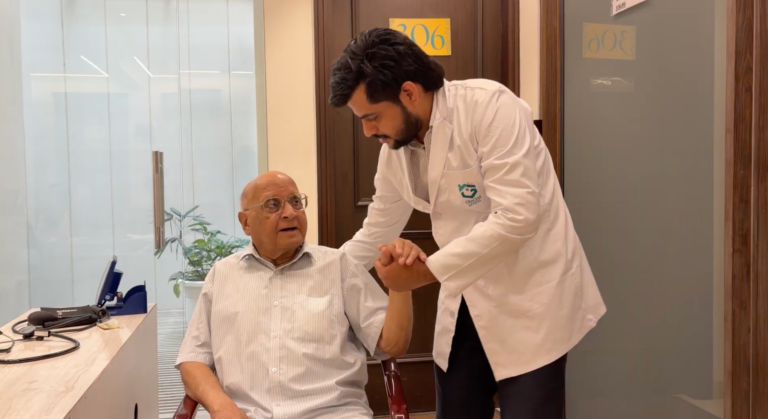
Nurses track health, give medicines on time and stay in touch with your parent’s doctors.
Daily personal assistance
Respectful help with bathing, dressing, grooming, toileting and moving around.
Nutrition and meals
Fresh, balanced meals planned around each resident’s diet and health needs.
Mobility support
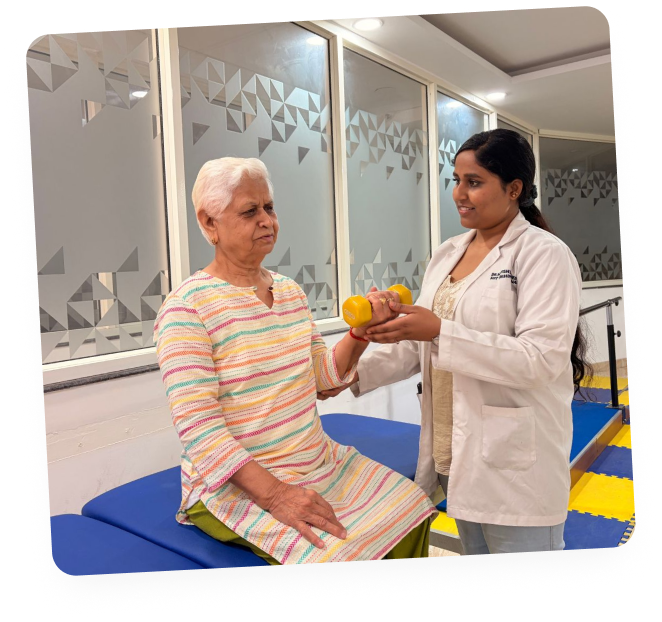
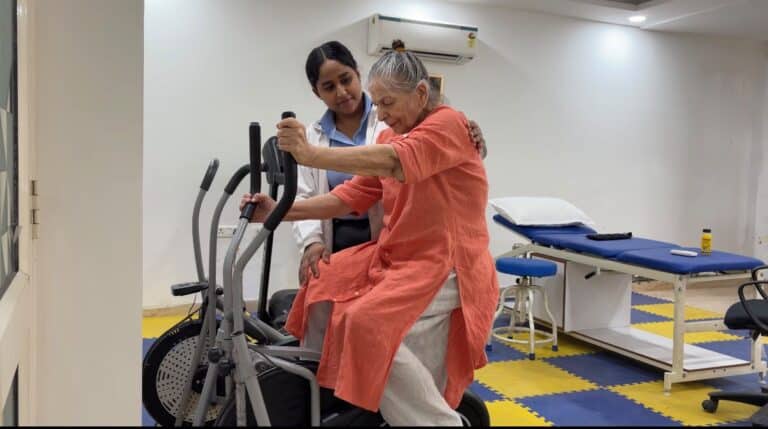
Guided movement and walks that keep residents active and steady on their feet.
Meaningful activities
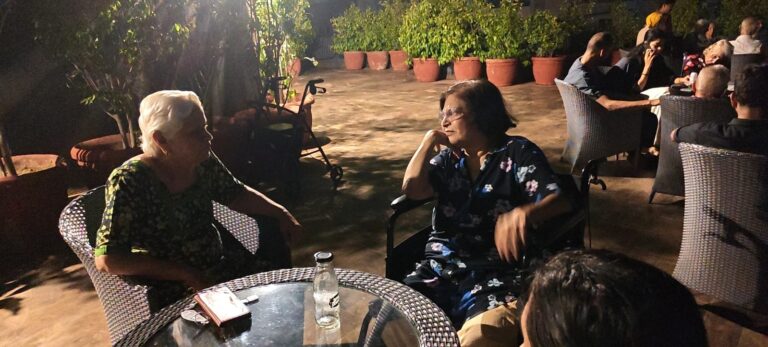
Cards, carrom, music, conversation and evening walks in the park.
Family communication
A dedicated WhatsApp group with our nurses and customer experience team.
What does a normal day look like?
Every resident follows their own care plan. Even so, this is the rhythm most days follow.
- 🌅Morning
Nurses help with medicines and personal care. After that, breakfast follows each resident’s diet.
- 🧘Late morning
Guided exercise or physiotherapy, as the care plan needs. Then music and conversation.
- 🍲Afternoon
Lunch and rest. Later, residents pick cards, carrom or other indoor games.
- 🌳Evening
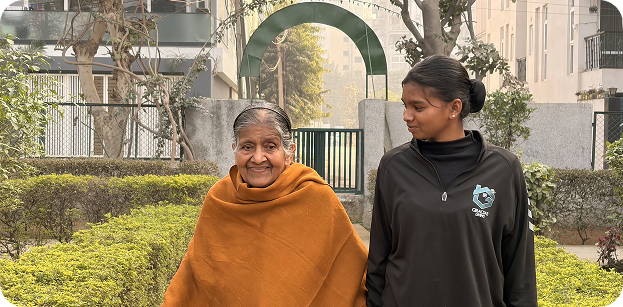
A walk in the park with caretakers, then tea and time with friends.
- 🌙Night
Dinner and medicines. Then a night nurse and night caretaker do regular rounds.
Support that protects independence.
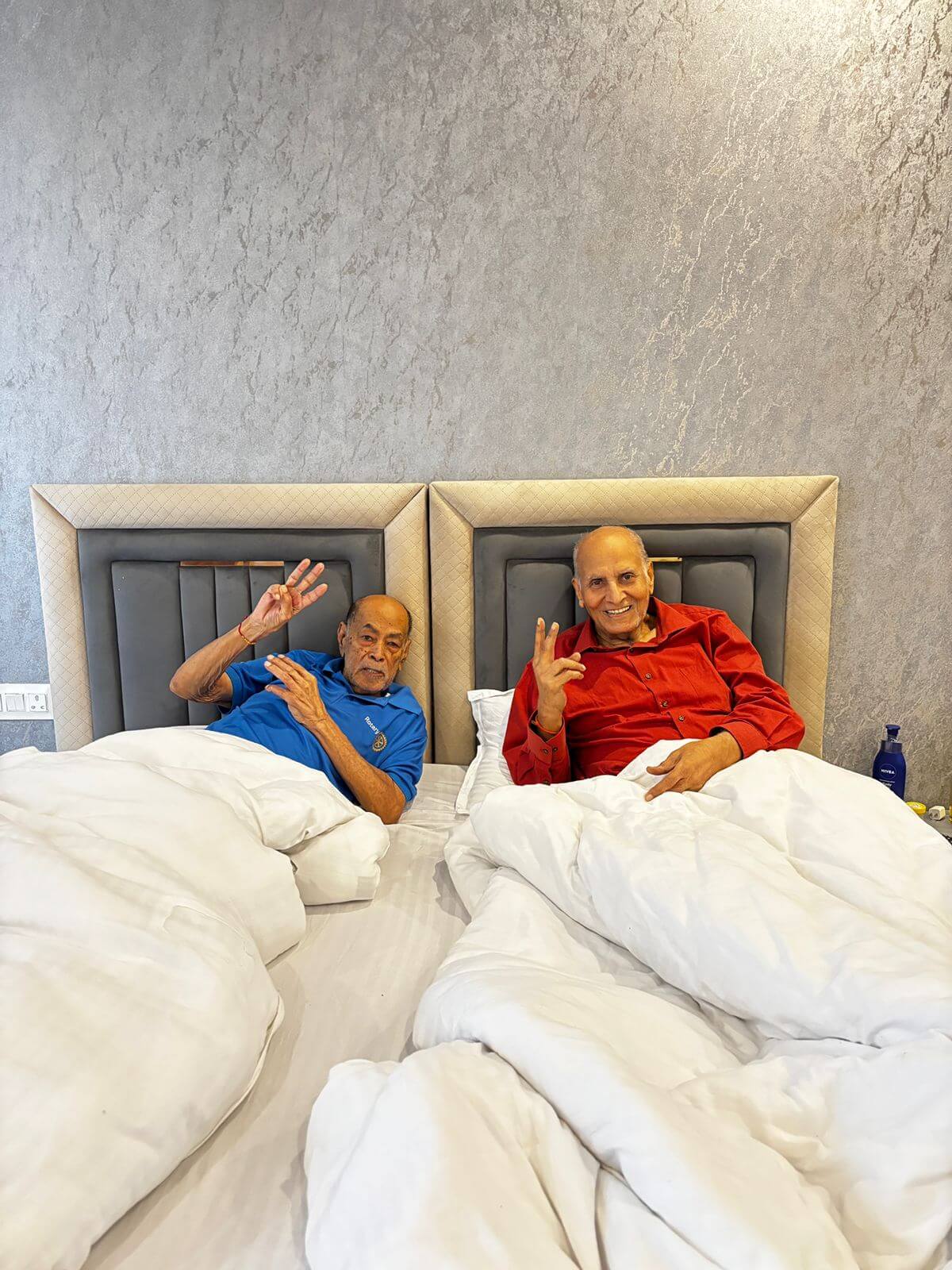
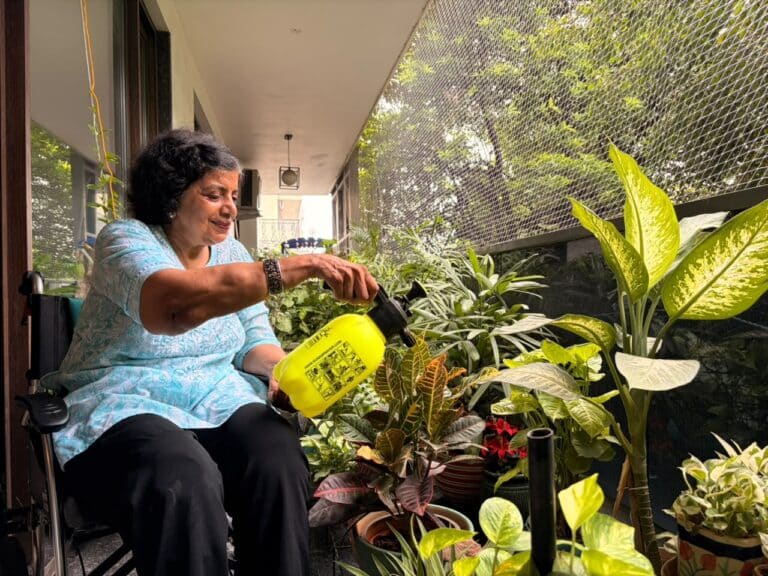
We shape support around what each resident can do, what they enjoy and where they truly need help. In short, the goal is a comfortable day with safety, choice and real connection.
Who looks after your parent?
A trained team of nurses and caretakers looks after residents day and night. In addition, our medical lead guides them, and families stay informed every day.
Care guided by experience
Dr. Chitra Anand, our Head of Medical Services, brings 38+ years of clinical experience and guides our care team.
- 👩⚕️Nurses on duty 24/7Nurses handle medicines, health checks and daily care, including night rounds.
- 🩺Your parent keeps their own doctorWe also arrange video consults and follow up visits with the same treating doctor.
- 🚑Clear emergency planIn an emergency, we move the resident to the nearest hospital and then inform the family at once.
- 🛏️Equipment, usually within four hoursWe usually arrange common medical equipment within four hours, depending on availability.
Gracias Living provides care and rehabilitation support. However, we do not replace treatment by your parent’s doctors.
Families always in the loop
You never have to wonder how your parent is doing. That is because every family gets its own channel with our team.
- 💬Your own WhatsApp groupEach family gets a group with our nurses and customer experience team.
- 📋Medical and daily updatesNurses share health updates. Meanwhile, our customer experience team shares general updates about daily life.
- 📹CCTV for safetyCameras cover the premises. Inside rooms, however, we install them only where needed and with permission.
- ✈️Families living abroadComplete the form, fees and agreement online. We can also arrange an ambulance for pickup; ask our team about charges.
How does admission work?
Four simple steps. Plus, when your parent is ready for discharge, we can often complete all four on the same day.
Talk to us
Call or WhatsApp us. Then tell us about your parent’s health, mobility and daily routine.
Visit and assess
Visit a centre and meet the team. For a hospital discharge, also share the clinical assessment and discharge summary.
Complete paperwork
Fill the admission form and sign the residence agreement. In fact, families abroad can do all of this online.
Move in
Same day admission is possible after our assessment, subject to room availability and paperwork. We can also arrange an ambulance for pickup.
Where are Gracias Living’s centres?
We run two elderly care centres in Gurgaon. In fact, families from across Delhi NCR often visit both before they decide.
Zinnia, DLF Phase 3
S-27/6, DLF Phase 3,Gurgaon – 122010
Blossom, Sector 43
901, Sector 43,Gurgaon
Families across Delhi NCR
Many of our residents come from South Delhi and other parts of Delhi NCR.
Which type of elderly care fits your parent?
Every option has its place. Quality varies by provider and arrangement, so use this table as a starting point and ask questions about each one.
| Care option | Best for | Supervision | Nursing | Social life |
|---|---|---|---|---|
| Part time caregiver at home | Seniors who need help with a few daily tasks | During visit hours | Depends on the caregiver’s training | Depends on family, friends and routine |
| Full time attendant at home | Seniors who need help through the day | One person; leave cover depends on the agency | Training varies; most attendants give personal care | Depends on family, friends and routine |
| Nursing care at home | Medical needs after illness or surgery | During the nurse’s shift | Yes, during the shift | Depends on family, friends and routine |
| Assisted living residence | Seniors who need daily help and a safer home | Team on site; staffing varies by provider | Varies by provider | Shared activities and peers |
| Specialised residence | Dementia, stroke recovery or palliative needs | Trained team on site | Usually higher nursing input | Structured and adapted |
| Gracias Living | Daily help, memory care, rehab, recovery and palliative needs under one roof | 24/7 nurses and caregivers, plus night rounds | 24/7 trained nurses, regular physician consultations | Cards, carrom, indoor games and evening walks |
Think about your parent’s health, safety, wishes and level of dependence. For example, home care works well while needs stay predictable. On the other hand, residential care makes sense once your parent needs constant supervision or trained help. Above all, review changing medical or memory needs with a doctor who knows their condition.
Questions to ask before you choose elderly care in Gurgaon.
Take this list on every visit. In fact, a good care home answers each question clearly and without hesitation.
- Is a trained nurse on duty 24/7, including nights?
- How often will we get updates, and from whom?
- Can my parent keep their own doctor?
- What happens in a medical emergency?
- Can you admit my parent straight from hospital?
- What does the monthly fee include?
- How do deposits and refunds work?
- What does a normal day look like?
- Who helps my parent at night?
- How long can my parent stay?
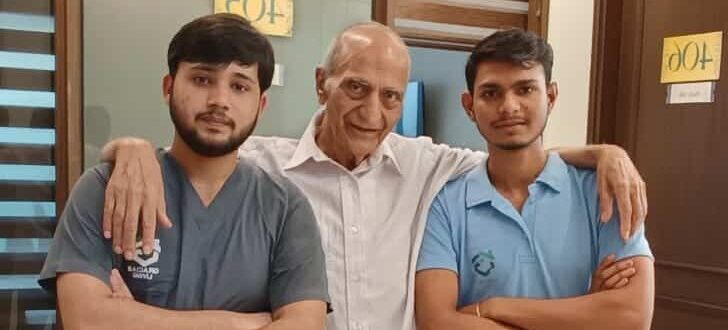
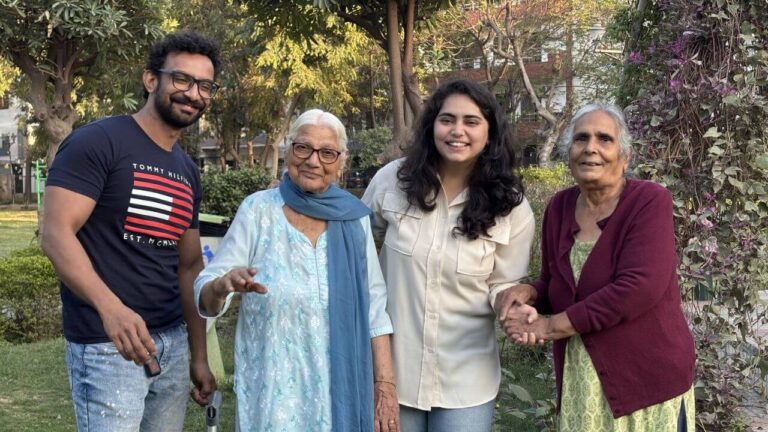
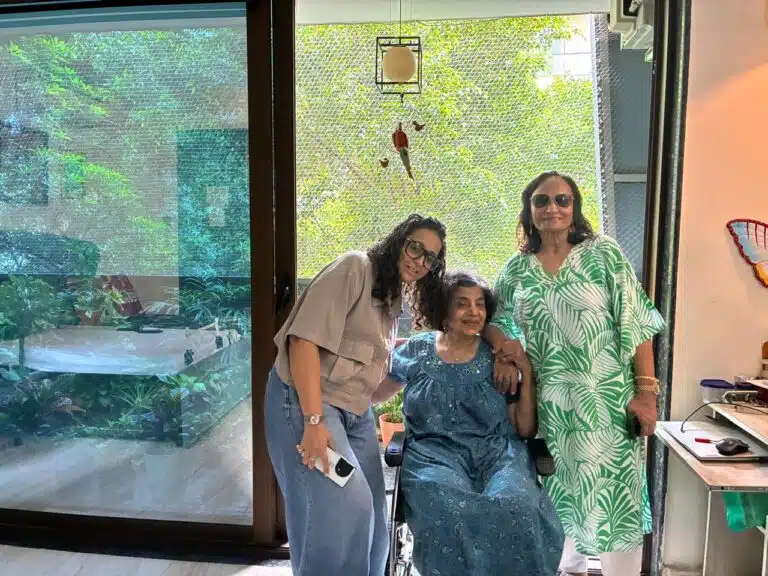
Real stories from our residents.I often sit with our residents, talk with them and play cards. Many tell me they missed moments like these at home. So that feeling of being seen is what we build at Gracias Living every day.
Meet the people who call Gracias Living home, and read how their days changed after moving in.
Read resident stories →Guides families find helpful.
Practical guidance on the decisions families face when a parent’s care needs begin to change.
Frequently asked questions.
Clear answers to the questions families ask most when they look for elderly care in Gurgaon.
About elderly care
What does elderly care include?
Elderly care includes personal assistance, medication support, meals, mobility help, health monitoring, safety supervision, daily activities and social time. However, the exact mix depends on your parent’s assessed needs.
When should a family consider residential care?
Consider residential care when your parent needs constant supervision, trained help with daily tasks, a safer home or a steadier routine than the family can give.
How does elderly care differ from assisted living?
Elderly care is a broad term for any support for older adults. Assisted living means a residence that combines housing, daily support and nursing care under one roof.
Is elderly care only for those with serious medical conditions?
No. In fact, many of our residents are in good health. They choose Gracias Living for friends, a steady routine and a safer home.
Care and daily life
How is a care plan decided?
Our care team assesses medical needs, mobility, daily living needs, memory, mood and room preference. Then we place your parent at the right level of care and adjust the plan as needs change.
How will we get updates about our parent?
Each family gets a WhatsApp group with our nurses and customer experience team. Nurses share medical updates. In addition, the customer experience team shares general updates about daily life.
Can my parent keep their own doctor?
Yes. Your parent keeps their own treating doctor. We also arrange video consults and follow ups with the same doctor, along with regular consultations with our physician.
What happens in a medical emergency?
Our nurses respond at once and we transfer the resident to the nearest hospital. At the same time, we inform the family.
Who looks after residents at night?
A night nurse and a night caretaker stay on duty and do regular rounds. Families can also hire a personal caregiver at extra cost, who stays in the resident’s room at night.
Can families bring food from home?
Gracias Living does not accept outside food. Instead, our kitchen serves fresh vegetarian meals planned around each resident’s diet. For residents in palliative care, however, families can bring their parent’s favourite home food.
Admission and visits
How quickly can my parent move in?
Gracias Living can often admit a parent the same day, even straight from hospital on the day of discharge. However, admission depends on our assessment, room availability and completed paperwork. We also need the hospital’s clinical assessment and discharge summary to plan care safely.
What should my parent bring?
Your parent needs clothes, toiletries and their own medicines. Please also bring the discharge summary, current prescriptions and medical records. After that, we usually arrange common medical equipment within four hours, depending on availability.
Can we arrange admission from abroad?
Yes. Families abroad fill the admission form online, pay fees online and email a scan of the signed agreement. We can also arrange an ambulance to bring your parent in; our team will explain any charges.
Can we visit before deciding?
Yes. In fact, we encourage every family to tour the residence and meet our team before admission. Call +91 87004 84949 to book a visit.
Costs and length of stay
How much does elderly care cost at Gracias Living?
Monthly plans start at ₹66,500 a month for twin sharing. In comparison, a single room costs ₹90,500 a month and a double occupancy room for spouses or siblings costs ₹1,30,000 a month. Short stays of up to three weeks, however, have separate rates. In addition, we bill professional physiotherapy, medicines, medical tests, personal caregivers and electricity separately, at actual cost. See our pricing page for details.
Is there a security deposit?
Monthly stays need a refundable security deposit of ₹3,75,000 and refundable petty cash of ₹25,000. Short stays of up to three weeks, however, need no security deposit, only the ₹25,000 petty cash. Finally, we refund unused petty cash once all expenses are settled.
How long can my parent stay?
There is no fixed maximum stay. Monthly plans start at one month, and long stays use an 11 month agreement that renews automatically. So your parent can stay as long as we can meet their care needs safely. If they ever need hospital treatment or a different setting, we guide the family through it.
Can a short stay help us decide?
Yes. Many families start with a short stay of up to three weeks. Plus, it needs no security deposit and lets you see daily life at Gracias Living firsthand.
Let’s understand the care your parent needs.
Tell us about their health, mobility, routine and current challenges. Then we will help you see if Gracias Living is the right fit.
Individual care needs and experiences vary. Review medical decisions with a qualified doctor who knows your parent’s condition.