
🩺 Medically reviewed by: Dr. Vishal Siwach
🔄 Editorially updated: July 2026
How can meaningful everyday experiences help your loved one with dementia feel happier, calmer, and more connected?
How Do Experiences Create Happiness in Dementia Care?
Exciting and meaningful experiences in dementia care can encourage positive emotions, stimulate familiar memories, and strengthen social connections. Music, gardening, celebrations, creative activities, and gentle movement give people with dementia opportunities to participate, express themselves, and enjoy the present moment.
A person may not remember every activity later, but the happiness, comfort and sense of belonging it creates can continue to influence how they feel.
At a Glance
| Experience | Positive Impact |
|---|---|
| 🎵 Familiar music | May awaken memories and improve mood |
| 🌿 Gardening | Encourages calmness and sensory engagement |
| 🎨 Art and crafts | Provides a simple form of self-expression |
| 🧘 Gentle exercise | Supports movement, confidence and well-being |
| 🎉 Festivals and birthdays | Create joy, familiarity and togetherness |
| 🧩 Brain games | Encourage attention and mental engagement |
| 🍳 Simple daily tasks | Build purpose and a sense of contribution |
Did you know? A person with dementia may forget the details of an experience but continue to carry the positive emotions it created.
Why Are Meaningful Experiences Important in Dementia Care?
Meaningful experiences give people with dementia opportunities to feel involved, capable, and emotionally connected. They add purpose and enjoyment to the day while supporting abilities that may still be strong.
These experiences can:
- 💛 Create moments of comfort and happiness.
- 🧠 Stimulate familiar memories and retained abilities.
- 🗣️ Encourage communication beyond spoken words.
- 🤝 Reduce loneliness through shared participation.
- 🌿 Ease restlessness by providing gentle engagement.
- ⭐ Strengthen identity by reconnecting the person with familiar interests.
The experience does not need to be complicated. A favourite song, folding clothes, watering plants, or looking through a family album can create a meaningful moment.
What Experiences Can Bring Happiness to People With Dementia?
The most enjoyable dementia-care experiences are familiar, purposeful and suited to the person’s abilities. They should encourage participation without creating pressure to perform or remember.
1. Music That Awakens Emotions
Familiar music can help a person with dementia relax, express emotions and reconnect with important moments from the past. Caregivers can play favourite songs, organise sing-alongs or encourage gentle movement to music.
Music becomes especially meaningful when it reflects the person’s language, culture, faith or younger years.
Simple idea: Create a personalised playlist using songs linked to weddings, festivals, family occasions or favourite films.
2. Gardening and Time in Nature
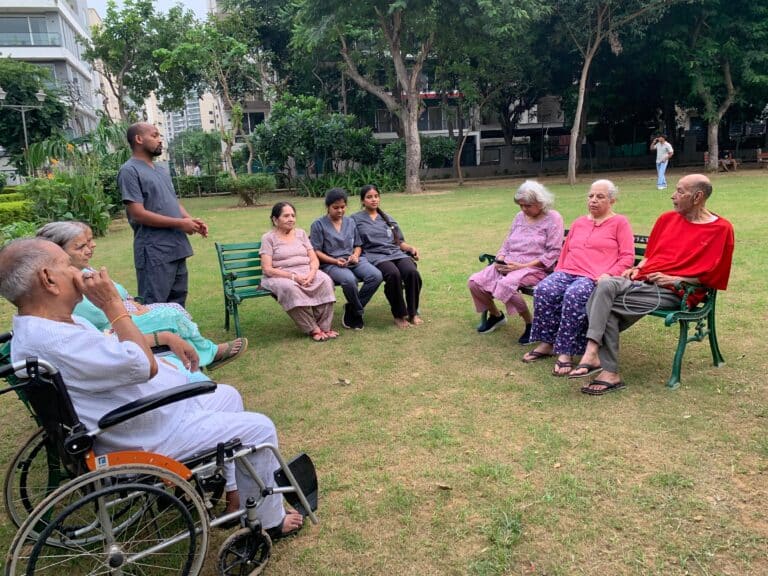
Gardening provides gentle sensory stimulation through colours, fragrances, textures and natural sounds. Watering plants, arranging flowers, or simply sitting outdoors can create a sense of calm and encourage participation.
Simple idea: Choose safe, easy-to-handle plants with bright colours or familiar fragrances.
3. Art and Creative Expression
Painting, colouring, clay work and simple crafts allow people with dementia to express themselves without depending entirely on words. The focus should remain on enjoyment rather than creating a perfect result.
Simple idea: Offer a few colours and demonstrate one step at a time.
4. Gentle Movement and Exercise
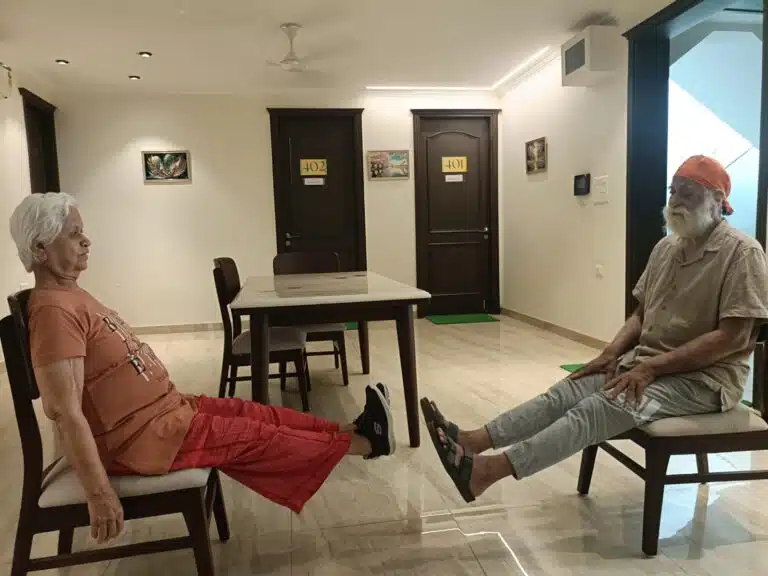
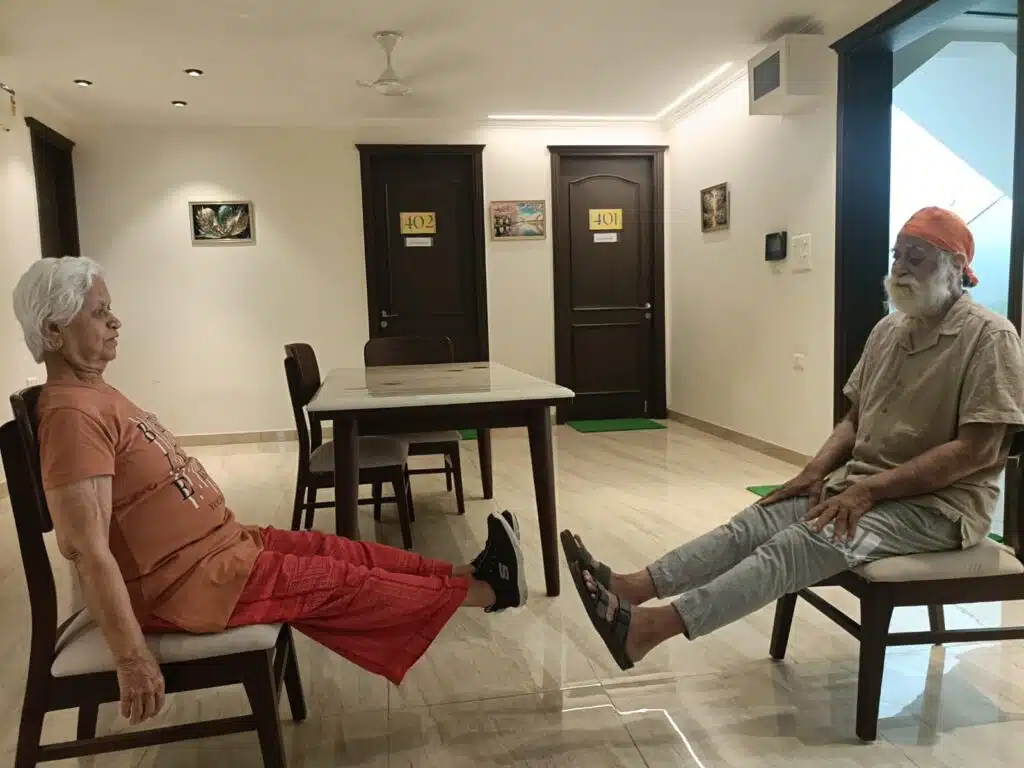
Walking, chair yoga, stretching and movement to music can make the day more active and enjoyable. Gentle exercise may also support mobility, balance and confidence.
Simple idea: Turn exercise into a shared social activity rather than a fixed workout.
5. Festivals and Celebrations
Festivals, birthdays and familiar traditions can inspire recognition and happiness. Decorations, traditional food, prayers, music and family participation help create a sense of familiarity and belonging.
Simple idea: Involve the person in safe preparations, such as arranging flowers or choosing decorations.
6. Brain Games and Puzzles
Simple matching games, picture identification, sorting activities and familiar word games can encourage attention and mental engagement. Activities should suit the person’s abilities and should never feel like a test.
Simple idea: End or simplify the activity if the person appears confused or frustrated.
7. Household Activities With a Purpose
Some people enjoy participating in familiar daily tasks such as folding towels, arranging a table, sorting vegetables or watering plants. These activities can restore a sense of contribution and independence.
Simple idea: Choose safe tasks connected to the person’s former routines or responsibilities.
8. Reminiscence and Family Connections
Old photographs, meaningful objects, and family stories may encourage conversation and emotional connection. Reminiscence should feel natural and reassuring and not like a memory test.
Instead of asking, “Do you remember this person?” say, “This is your sister, and you both look so happy here.”
Simple idea: Create a small memory box containing labelled photographs and familiar personal objects.
How Can Activities Be Personalised for Someone With Dementia?
Personalised dementia activities reflect the person’s life story, preferences, culture, abilities and present mood. An activity that comforts one person may overwhelm another, so caregivers must observe individual responses.
| Consider | Question to Ask |
|---|---|
| 👤 Past interests | What did the person enjoy earlier in life? |
| 🕰️ Daily routine | At what time are they usually most alert? |
| 🧠 Current abilities | Can they follow, observe or participate safely? |
| 💬 Communication | Do they respond better to words, music or visual cues? |
| 🪷 Culture and faith | Which traditions, prayers, or festivals feel familiar? |
| 😊 Emotional response | Does the experience create comfort or frustration? |
Personalisation turns an ordinary activity into an experience that feels familiar, respectful and relevant.
Which Experiences Suit Different Stages of Dementia?
Activities should adapt as dementia progresses. The goal is to support the person’s remaining abilities without highlighting what has become difficult.
| Stage | Suitable Experiences |
|---|---|
| Early stage | Gardening, cooking, outings, board games and creative hobbies |
| Middle stage | Familiar music, sorting activities, simple crafts and guided movement |
| Later stage | Hand massage, soft music, familiar fragrances, nature views and gentle conversation |
A person’s interests remain important at every stage. Caregivers can simplify an activity rather than remove it entirely.
How Can Caregivers Make Activities More Enjoyable?
Caregivers can make dementia activities more successful by keeping them familiar, flexible, and free from pressure.
- ✅ Give one simple instruction at a time.
- ✅ Demonstrate the activity before expecting participation.
- ✅ Offer limited choices to avoid confusion.
- ✅ Select a calm, comfortable environment.
- ✅ Allow extra time for the person to respond.
- ✅ Appreciate participation instead of correcting mistakes.
- ✅ Stop or change the activity if distress appears.
- ✅ Repeat enjoyable experiences as part of a familiar routine.
The caregiver’s tone often matters as much as the activity. Patience, encouragement, and warmth help the person feel safe enough to participate.
What Should Caregivers Avoid During Activities?
An activity can become stressful if it is too difficult, noisy, or unfamiliar. Caregivers should avoid:
- ❌ Testing the person’s memory.
- ❌ Correcting every mistake.
- ❌ Giving several instructions together.
- ❌ Forcing participation.
- ❌ Using childish activities or language.
- ❌ Creating noisy or crowded surroundings.
- ❌ Continuing after signs of tiredness or distress appear.
Meaningful engagement should protect dignity. It should never make a person feel unsuccessful.
What Are the Signs That an Experience Is Working?
People with dementia may communicate enjoyment through behaviour rather than words. Positive signs may include:
- 😊 Smiling or appearing more relaxed.
- 🎵 Humming, singing or moving to music.
- 👀 Showing greater attention or curiosity.
- 🗣️ Speaking or responding more than usual.
- 🤝 Participating willingly.
- 🌼 Remaining calm after the activity ends.
- 🔁 Showing interest when the experience is repeated.
Caregivers should notice these responses and record which experiences work best for the individual.
Can New Experiences Benefit Someone With Dementia?
Yes. People with dementia can enjoy new experiences when they feel safe, manageable, and connected to familiar interests. A new art activity, a different walking route, or a themed celebration can create curiosity and happiness.
Introduce one change at a time, explain it simply, and allow the person to observe before participating. If the experience causes discomfort, adapt it or return to something familiar.
How Does Gracias Living Create Engaging Experiences?
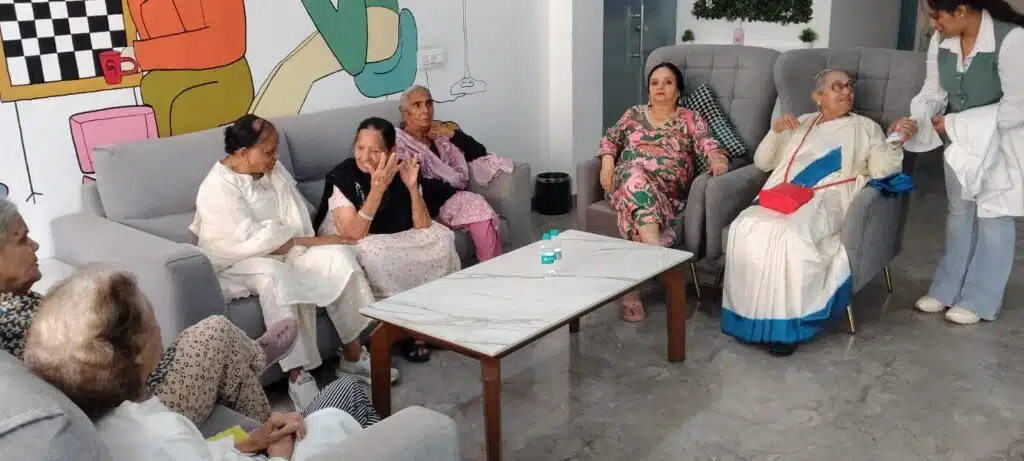
At Gracias Living, engagement forms part of everyday dementia care. The team adapts activities to each resident’s abilities, preferences, personal history and emotional state.
Residents can participate in:
- 🎵 Music and sing-along sessions.
- 🧘 Gentle exercise and yoga.
- 🌿 Gardening and outdoor time.
- 🎨 Art, crafts and creative activities.
- 🧩 Brain games and guided cognitive engagement.
- 🎉 Festivals, birthdays and special occasions.
- 🤝 Group conversations and social activities.
- 🪔 Spiritual and culturally familiar experiences.
The purpose is not to keep residents busy throughout the day. It is to create meaningful moments that encourage comfort, participation, connection and dignity.
Frequently Asked Questions
1. What activities are best for people with dementia?
The best activities are familiar, enjoyable and suited to the person’s current abilities. Music, gardening, art, gentle movement and simple household tasks are often meaningful options.
2. Can activities improve the mood of someone with dementia?
Enjoyable activities may create calmness, happiness and social connection. The person may continue to experience the emotional benefit even if they later forget the activity.
3. How long should a dementia activity last?
There is no fixed duration. Some people may enjoy an activity for 10 minutes, while others may remain engaged longer. Follow the person’s attention, comfort, and energy.
4. Should caregivers correct mistakes during an activity?
No. Frequent correction can create embarrassment or frustration. Focus on participation and enjoyment unless a mistake affects the person’s safety.
5. What if the person refuses to participate?
Do not force them. Try again at another time, simplify the activity, or offer a different experience based on their interests and mood.
6. Are group activities suitable for everyone with dementia?
Not always. Some people enjoy social interaction, while others feel more comfortable with individual activities or smaller groups. Caregivers should follow personal preferences.
7. Can people with advanced dementia participate in activities?
Yes. Sensory experiences such as familiar music, hand massage, soft fabrics, gentle conversation, and time in nature can create meaningful engagement.
8. How can families participate in dementia activities?
Families can listen to music, look through photographs, take a gentle walk or complete a simple task together. The focus should remain on companionship rather than testing memory.
9. How often should activities be offered?
Meaningful engagement can be offered every day, but it should follow the person’s energy and routine. A few well-chosen experiences are better than a crowded schedule.
10. How do dementia-care homes plan activities?
A good dementia-care home considers residents’ histories, abilities, interests and emotional responses. It adapts each activity and records what creates comfort or engagement.
Meaningful Moments Matter More Than Perfect Memories
Happiness in dementia care does not depend on remembering every detail. A familiar song, a shared celebration or a quiet moment in the garden can help a person feel recognised, included and valued.
The most powerful experiences are often simple. They respect the person’s identity, support present abilities and create joy without placing pressure on memory.
Final thought: The memory of an experience may fade, but the comfort, connection and happiness felt in that moment still matter.
Looking for Personalised Dementia Care in Gurgaon?
Gracias Living provides personalised dementia care through professional support, familiar routines and meaningful daily engagement. Our team creates experiences that reflect each resident’s abilities, preferences and life story.
Speak with the Gracias Living team to understand how the right care environment can support your loved one with dementia.