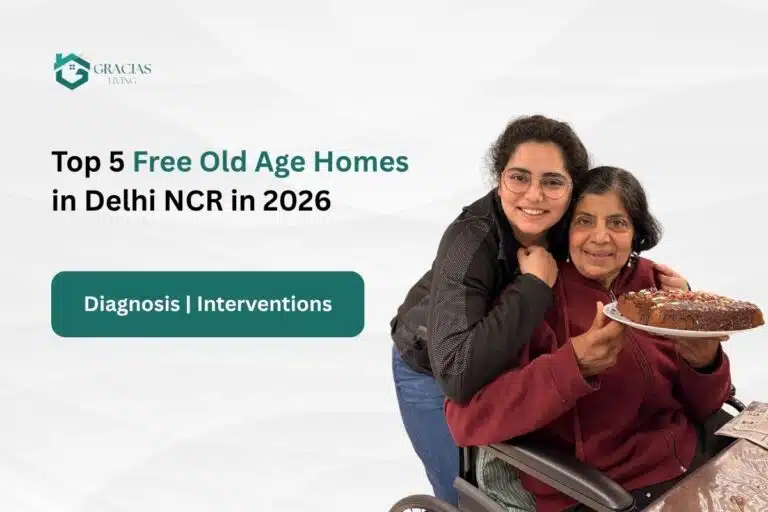


One day, you realize the roles are slowly changing — the people who once took care of you now need your support. Learning how to take care of elderly parents is not just about managing their daily needs; it’s about protecting their dignity, comfort, and emotional well-being as they age.
This guide is for adult children, caregivers, and long-distance caregivers who wish to help their aging parents thoughtfully and sensibly. It encompasses vital aspects such as safety, health, emotional care, communication, future planning, and hobbies for seniors that help you provide the appropriate support without being unbalanced, impatient, or overly compassionate.
Why Taking Care of Aging Parents Is Emotionally and Practically Challenging?
Taking care of aging parents is not just a practical task; it is a very emotional one as well. Being the one taken care of and growing into a person who takes care of others may cause some sense of guilt, stress, and even confusion. The issue faced by many adult children is the problem of balancing work, children, and household responsibilities while caring for elderly parents due to which there are problems faced by the elderly too.
There’s also the emotional burden of seeing your parents get slower either physically or mentally. They may pressurize you to make the correct choices regarding their safety and well-being. Meanwhile, parents can be opposed to assistance due to the fear of being deprived of independence. This emotional bonding coupled with the life responsibility renders care giving very significant and difficult.
The key is to accept that these emotions are normal. Stress may be minimized by communicating freely, sharing responsibilities in the family, and making realistic expectations. You do not necessarily have to do everything well, you just need to do it slowly and steadily.
Early Signs Your Elderly Parents May Need Extra Care
The early identification of the signs may help to avoid severe issues in the future. When you see a steady alteration in day to day activities, then may be time to intervene in a mild manner.
Common signs include:
- Frequent forgetfulness, especially with medications
- Inability to cope with financial or appointment issues.
- Living conditions-lack of personal cleanliness or hygiene.
- Weight loss or lack of appetite that can be noticed.
- Increased isolation or mood changes
- A common problem of falls or lack of mobility.
When you see these patterns at an earlier time, you will be able to plan rather than responding to emergencies.
How to Take Care of Elderly Parents: 10-Step Guide
Caring for elderly parents necessitates patience, awareness and critical planning. It is not about taking control over their autonomy but rather helping them to remain safe and respected and not to feel threatened. The list below has ten steps that should be followed in a realistic and balanced manner.
1. Start by Understanding Their Daily Routine
Observe the manner in which your parents live their day before coming up with any decision. Ordinary indicates purposeful grievances. How they wake up, sleeping performance, what they eat, and whether they are active. Minor changes in habits are usually a pointer to underlying issues. Rather than thinking that they require assistance everywhere, put emphasis on areas where they really require assistance.
- Observe sleep quality and energy levels
- Observe the appetite and eating habits.
- Watch mobility and balance.
- Identify tasks they avoid or struggle with
Knowing their routine will make you give aid to them in a respectful way without diminishing them.
2. Create a Safe and Senior-Friendly Home
Home safety plays a vital role in fall prevention among older adults, which fall among the frequent injuries.Some minor changes will result in a substantial decrease in risks and boost the confidence. Go through the house and establish potential hazards. Pay attention to dangerous zones such as bathrooms and stairways and entry doors. Upgrades related to safety do not necessarily require a lot of money, and even the small adjustment will be beneficial.
- Remove loose rugs, wires, and clutter
- Install grab bars and non-slip mats in the bathrooms.
- Enhance the lighting conditions on the staircases and corridors.
- Store things that you use frequently at hand.
These small adjustments highlight the practical caring for elderly parents at home, especially the comfort of staying in a familiar environment.
3. Help With Medications and Medical Care
It is also important to handle medications in the correct manner particularly in instances where your parents have more than one prescription. Missed doses or confusion about schedules can cause serious complications.Being organized minimizes risks and eliminates emergency cases. Create medical care that is predictable and organized. Maintain a record that can be availed in case of unexpected health issues.
- Use pill organizers or digital reminders
- Have a list of written medication lists and dosages.
- See the doctor as often as possible.
- Track such chronic conditions as diabetes or blood pressure.
Having a regular medical check-up will guarantee the initial identification of the issues and improved health care in the long term.
4. Encourage Physical Activity Based on Their Ability
Exercise preserves power, elasticity and mind set. It is not about hard workouts, but rather active and healthy workouts in accordance with their health status. Light exercise like chair exercise for seniors alone is beneficial in enhancing circulation, balance and mood. Make them feel comfortable engaging in something they like.
- Suggest daily walks or light stretching
- Try chair exercises for limited mobility
- Encourage balanced activities in order to minimize falls.
- Get advice on new practices before changing.
Any physical activity decreases physical deterioration and promotes autonomy in addition to increasing emotional well-being.
5. Support Their Emotional and Mental Well-Being
Aging may bring emotional problems like loneliness, anxiety and dependence fear. Physical care is no less important than emotional support. Being present and patience strengthens trust. Monitor mood swings, disorientation or withdrawal of activities which they previously enjoyed. Solutions are not always necessary to them.
- Spend quality time listening without interruption
- Encourage hobbies and personal interests
- Watch for signs of depression or memory changes
- Offer reassurance instead of criticism
Stability of emotions enhances health in general and simplifies the process of caring for both of you.
6. Keep Them Socially Connected
Mental and physical health might be adversely affected by social isolation. Staying connected provides the elderly with some sense of belonging and meaning. Promote frequent association with friends, neighbors or community organizations. Even minor social contacts may have a considerable uplifting and mental cleansing effect.
- Arrange visits with friends or family members.
- Promote a community or religious involvement.
- Arrange phone or video calls on a regular basis.
- Establish regular visits of long-distance caregivers.
Effective social interaction minimises loneliness, and helps in maintaining cognitive functioning.
7. Ensure Proper Nutrition and Hydration
Nutrition has a direct influence on energy levels, immunity and recovery. Lots of elderly people lose their appetite or forget to take sufficient water. It should be monitored on the diet they have to avoid being weak and experiencing diseases. Healthy foods must be balanced in protein and fiber and healthy fats, as well as in necessary vitamins.
- Prepare balanced and light meals.
- Check the appetite and Sudden weight Changes.
- Encourage regular water intake
- Modify meals based on the medical conditions.
A good diet makes their body stronger, and empowers the mood and their overall health.
The burden of care giving should not take the form of a lone responsibility. Sharing of responsibilities eliminates emotional burnouts and provides regular care. Understanding between members of the family is avoided by clear communication. Everyone would contribute to making care sustainable and less demanding.
- Establish a care giving schedule.
- Share chores such as grocery shopping, appointments and bills.
- Have frequent conversations with the family.
- Switch duties where there is an option.
Collaboration reduces stress and enables you to provide better support without burnout.
9. Take Care of Yourself as a Caregiver (Very Important)
The phenomenon of caregiver burnout is not new. Stress at all times may impact on your health, patience and decision making. It is important to take care of yourself so that you will be able to deliver quality care.Give realistic goals and embrace the fact that one cannot be perfect.
- Be specific with your time and energy.
- Schedule regular breaks.
- Ask for help without guilt.
- Sleep, exercise and mental health are to be prioritized.
- Belong and join support groups of caregivers.
Take good care of yourself, and you will be able to take good care of your parents in the future.
10. Know When to Seek Professional Help
There may come a time when your parents’ needs exceed what you can manage alone.Early identification is a way of avoiding crisis situations. Safety and emotional stress can be enhanced with the help of a professional. Asking assistance is not an escapist move.
- Hire home nursing assistants.
- Seek medical supervision of nurses.
- Refer to therapists because of mobility or cognitive difficulties.
- Explore assisted living in case health becomes complicated.
Family support can be supplemented with professional care, which can be used professionally when the parents need it.
What are Best Care Options for Elderly Parents?
As parents age, their living situation becomes an important decision that affects their safety, comfort, and emotional well-being. There is no one-size-fits-all option. The right choice depends on their health status, level of independence, and preference. Some parents might prefer to remain in their own houses especially when families are focused on caring for elderly parents at home, whereas some might need structured assistance. By being knowledgeable about every care arrangement, the family will make wise and realistic decisions rather than hasty decisions in case of an emergency.
Independent Living
This choice is ideal in the case of older adults who are rather autonomous, but have a more comfortable and secure setting. They reside in communities that are senior-friendly, and the day-to-day chores, such as maintenance and security, are taken care of by the community while they go about their business and routine.
Pros:
- Maintains independence and dignity
- Social opportunities with peers
- Low-maintenance lifestyle
Cons:
- Limited medical or personal care support
- May become unsuitable if health declines
In-Home Care Support
In-home care enables the parents of elderly individuals to stay in their own environment, yet they get help in their daily lives, medical care, or companionship. The advantage of this alternative is that they can be comforted emotionally as they stay where they are surrounded by memories and routine.
Pros:
- Comfort of staying at home
- Personalized and flexible care
- Strong emotional stability
Cons:
- Can be costly over time
- Requires home safety modifications
- May lead to social isolation if not managed well
Assisted Living
Assisted living homes are accommodated to older adults who can be assisted regularly in various daily chores such as eating, taking medication, and personal care, but do not require close medical attention. It provides a middle ground between autonomy and formal assistance.
Pros:
- 24/7 staff support
- Social engagement and activities
- Safe and structured environment
Cons:
- Less privacy compared to home
- The adjustment period can be emotionally challenging
- Monthly costs can be high
Nursing Homes
The nursing homes offer full-time medical support and oversight of seniors who have severe health conditions, mobility issues, or chronic diseases. This alternative emphasizes more on intensive care and medical safety.
Pros:
- Continuous medical monitoring
- Professional healthcare support
- Suitable for complex health conditions
Cons:
- Less personal and homely environment
- Higher expenses
- Emotional difficulty due to relocation
Each option has its own advantages and limitations, so the decision should always be based on your parents’ health needs, emotional comfort, and long-term care requirements rather than convenience alone.
How to Balance Work, Life, and Caring for Elderly Parents?
Balancing responsibilities can feel overwhelming when you are managing work, personal life, and taking care of aging parents at the same time. It is all about planning and expectations. Begin by establishing an organized plan where you have caregiving activities together with your professional engagements. Share personal calendars among members of the family in order to distribute responsibilities and prevent overload.
Think about working remotely on some days or changing the hours worked whenever possible. Pressure can also be alleviated by outsourcing some of the tasks such as delivering meals or keeping house.
It is also necessary to have in mind that you cannot do everything properly. Take the important issues and forget about the small things. Get yourself out of your predicament by talking freely to your boss and relatives.
Above all, you must make time to yourself. Remaining physically and mentally well means you will be able to take care of the elderly parents without suffering burnout or hatred.
Finding the Right Support for Your Family’s Care Journey
You can develop a strong support network and your role of taking care of the aging parents becomes a lot easier. Begin with medical workers who have information about the medical background of your parents. Consultations can be conducted on a regular basis to monitor changes and mitigate emergencies.
The community support like the senior centers, meal schemes and transportation services can reduce day-to-day burdens. Caregiver support groups give emotional comfort and practical guidance by other caregivers who may be undergoing the same situation.
The professional services may also be significant in cases where the family care becomes too heavy. Gracias Living is a senior and assisted living care home in Gurgaon, where residents can receive individual care, medical care, quality food, and interesting events in a secure and community-oriented setup. Such organized care enables the elderly to be dignified and independent and it gives the families a sense of peace when the demands are more intricate.
What should always be kept in mind is that caregiving is not an individual process. The needs will change as time goes by and your care plan must change as well. Being adaptive and receptive to assist means that your parents will be taken care of with care and consistency.
FAQs
1. What are some signs that my elderly parents need more help at home?
Frequent falls, missed medications, poor hygiene, weight loss, confusion, or increased isolation are common warning signs.
2. What are some ways to keep elderly parents engaged and active?
Encourage light physical exercise, hobbies, social interactions, reading, puzzles, and regular conversations to keep them mentally and physically stimulated.
3. What are the 5 basic human needs in aged care?
Safety, proper nutrition, medical care, emotional support, and social connection are the fundamental needs in elderly care.
4. How can I manage elderly care from a distance?
Schedule regular calls, hire local caregivers if needed, use medication reminders, monitor health updates remotely, and maintain consistent communication with neighbors or relatives nearby.