

Growing older brings wisdom and experience. It also brings a specific set of struggles that most families do not fully see until they live through them. Health starts to slip. Money gets tighter. Loneliness creeps in even inside a full house. Understanding these problems clearly is the first step toward fixing them.
This guide breaks down every major challenge older adults face today, why these problems keep repeating across generations, and what families, communities, and the government can actually do about each one.
The Main Problems Faced by Elderly People
Here is a quick snapshot before we go deep into each issue.
| Challenge | What It Looks Like | Who It Affects Most |
|---|---|---|
| Physical health decline | Arthritis, diabetes, hypertension, falls, memory loss | Almost all seniors past 65 |
| Mental health struggles | Depression, anxiety, loneliness | Widowed and retired seniors |
| Financial insecurity | No pension, rising medical bills | Seniors without formal retirement savings |
| Technology and social exclusion | Trouble with smartphones, banking apps, digital services | Seniors in cities with fast changing services |
| Elder abuse and neglect | Physical, emotional, or financial mistreatment | Seniors who depend fully on caregivers |
| India specific pressures | Shrinking joint families, few geriatric specialists | Urban seniors whose children have moved away |
Let us look at each one closely.
1. Physical Health Decline and Chronic Illness
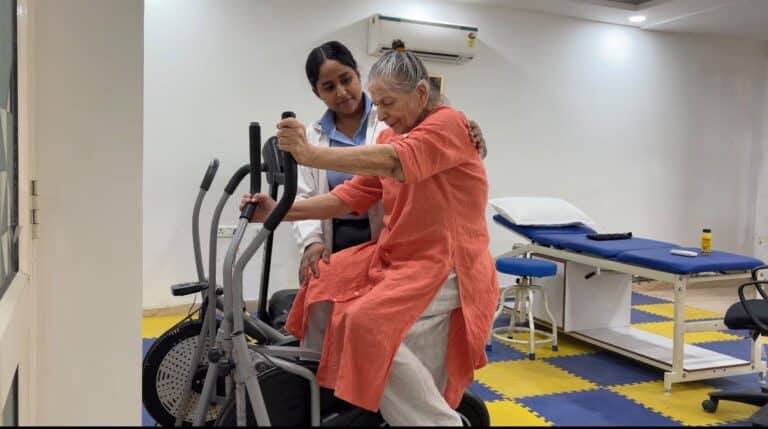
Health problems are the most visible and most common issue for seniors. As the body ages, organs work less efficiently, bones weaken, and recovery from illness takes longer.
Impact: Arthritis, diabetes, hypertension, and heart disease are widespread. According to the Longitudinal Ageing Study in India, more than 75 million Indians over 60 live with at least one chronic disease. Reduced bone density and weaker joints raise the risk of falls and fractures. Cognitive decline, including Alzheimer’s and other forms of dementia, adds another layer of difficulty for both the senior and their family.
Solution: Prevention and regular checkups matter more than treatment after the fact. Seniors benefit from staying active through tai chi or chair exercises, eating a balanced diet, and avoiding excess alcohol. Access to dedicated geriatric health services improves outcomes significantly.
2. Mental Health and Emotional Wellbeing
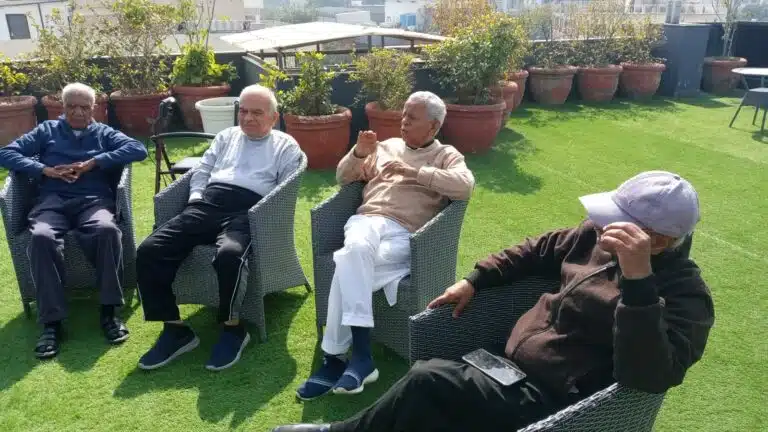
Old age carries emotional weight that rarely gets discussed openly. Retirement, the loss of a spouse or close friends, and a growing sense of dependency often trigger depression, anxiety, and deep loneliness.
Impact: Isolation remains one of the biggest drivers of poor mental health, even for seniors who live with their families. Data from the Longitudinal Ageing Study in India found that nearly one in four older adults report depressive symptoms. A person who spent decades building an identity around work can feel suddenly purposeless after retirement, and the fear of becoming a burden makes this worse.
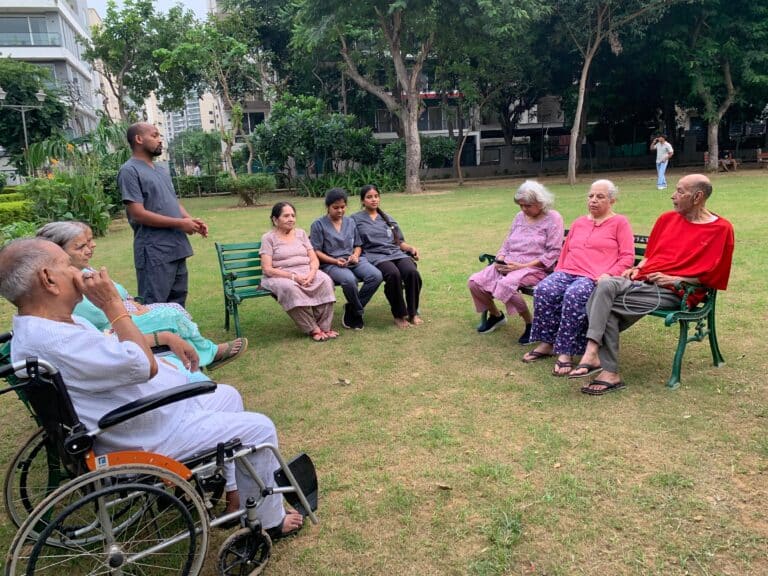
Solution: Encourage regular social interaction through community centers, hobby groups, and activities that bring different generations together. Normalize therapy and mental health support for seniors. A well run assisted living community can provide this daily engagement in a structured way. Involve elders in family decisions and daily conversations so they feel valued, not sidelined.
3. Financial Insecurity and Economic Dependency
Money worries hit seniors hard, especially in countries where formal retirement planning is still uncommon. Weak savings combined with rising medical costs push many older adults into full dependency on their families.
Impact: Many retirees in India have no pension or structured savings. The Longitudinal Ageing Study in India executive summary found that 78 percent of retired seniors are neither receiving nor expecting a pension. Chronic health conditions drain whatever resources they do have. This financial strain adds constant stress and often limits access to the care a senior actually needs.
Solution: Stronger social security programs and pension schemes need to reach more people. Financial literacy for middle aged adults helps them plan ahead before retirement arrives. Government backed subsidized healthcare and medical insurance built specifically for seniors close a major gap.
4. The Technology Gap and Social Exclusion
The pace of change in daily life leaves many seniors behind. Smartphones, online banking, and digital services that younger generations use without thinking become genuine barriers for older adults.
Impact: Limited mobility and a lack of accessible public spaces add to the exclusion. A 2026 study on India’s digital divide found that fewer than half of older adults can use the internet independently, and only 8 percent know how to report cyber fraud. Seniors who cannot use digital tools struggle to book appointments, manage money, or stay in touch with family. Over time, this creates real distance from the world around them.
Solution: Community programs that teach basic digital skills make a measurable difference. Cities need age friendly infrastructure, including better transport and walkable footpaths. Programs that pair younger volunteers with seniors to teach technology work well and build connection at the same time.
5. Elder Abuse and Neglect
This is the most disturbing and most underreported problem seniors face anywhere in the world. Abuse can be physical, emotional, financial, or even sexual.
Impact: Victims often stay silent out of fear of retaliation or because the abuser is a family member they depend on. A 2024 HelpAge India study of over 5,000 elderly respondents found that sons were the most commonly reported abusers. Neglect, such as withholding medication or proper meals, is just as dangerous as active abuse and puts a senior’s health and safety at direct risk.
Solution: Elder abuse helplines and support resources need wider awareness. Laws protecting seniors must be enforced, not just written. When a caregiver is overwhelmed, bringing in respite care before burnout sets in prevents most neglect before it starts. Community vigilance and education for families and caregivers go a long way in catching problems early.
6. Challenges Specific to Senior Citizens in India
India’s elderly population faces structural issues on top of the universal ones above. Traditional joint families once provided built in support, but urban migration and smaller nuclear households have eroded that safety net.
Impact: Geriatric care specialists remain rare outside major cities. Mental health carries heavy stigma, so many seniors never seek help for depression or anxiety. The UNFPA India Ageing Report 2023 found that over 40 percent of India’s elderly fall in the poorest wealth quintile, with close to 19 percent living without any income at all. Affordable, quality elder care homes are still limited, which leaves families with few reliable options.
Solution: India needs a combined approach: expanding geriatric healthcare access, educating people about senior rights, and offering families real incentives to care for aging parents at home or through trusted care facilities.
Why These Problems Keep Persisting
If these issues are so well known, why do they keep repeating generation after generation? Three forces are mainly responsible.
| Root Cause | How It Plays Out |
|---|---|
| Rapid socio economic change | Joint families shrink into nuclear households; city migration separates children from aging parents |
| Ageism and lack of empathy | Bias against older adults sidelines their voice in social and economic life |
| Weak public policy and infrastructure | Incomplete social security coverage; public spaces and transport rarely designed with seniors in mind |
How Families and Communities Can Help
Real change starts at the ground level, inside the family and the local community.
| Action | Why It Matters |
|---|---|
| Keep communication open | Listening and including seniors in decisions makes them feel valued, not managed |
| Stay on top of their health | Regular checkups and accompanying them to appointments catch problems early |
| Fight loneliness actively | Scheduled time together and encouraging hobbies keeps isolation at bay |
| Make homes safer | Grab bars, non slip mats, and better lighting prevent falls |
| Respect financial independence | Let seniors stay involved in their own money decisions wherever possible |
| Push for age friendly spaces | Support parks, community centers, and transport built for seniors |
Frequently Asked Questions
What are the most common problems faced by senior citizens in India?
The biggest issues are limited financial security from pensions or savings, poor access to specialized geriatric healthcare, and rising social isolation as joint families in cities give way to smaller households.
Why do many elderly people feel lonely even when living with family?
Living together does not guarantee meaningful contact. Busy schedules, work, and children often leave a senior feeling sidelined or excluded from daily conversations and decisions. A generation gap in technology and interests widens this distance further.
What government schemes are available for senior citizens in India?
Key programs include the Pradhan Mantri Vaya Vandana Yojana (PMVVY) pension plan, the Indira Gandhi National Old Age Pension Scheme (IGNOAPS) for financial support, and legal protection under the Maintenance and Welfare of Parents and Senior Citizens Act, 2007.
How can families reduce the risk of elder abuse or neglect?
Let seniors retain control over their own finances, check in regularly on their wellbeing, and build a support circle that goes beyond immediate family. If a caregiver seems exhausted, arrange respite care or bring in professional help before burnout leads to neglect.
What simple steps can improve safety and comfort for elders at home?
Add grab bars in bathrooms, keep every room well lit, use non slip mats on wet floors, remove loose rugs or tripping hazards, and place frequently used items within easy reach so seniors do not need to climb or bend.
How do I know if my aging parent needs more support than I can give at home?
Watch for repeated falls, missed medications, weight loss, a home that is no longer kept clean, or a caregiver who is visibly exhausted. Any of these signs mean it is time to explore additional support, whether that is in home help or a residential care setting.
What is the difference between an old age home and assisted living?
An old age home typically offers housing and basic supervision. Assisted living goes further, providing trained staff, medical support, meals, and daily activities tailored to a senior’s specific needs. Assisted living is built for seniors who need more consistent, hands on care.
How can seniors stay mentally sharp as they age?
Regular physical activity, social engagement, and mentally stimulating hobbies such as reading, puzzles, or learning a new skill all support cognitive health. Routine medical checkups also catch early signs of decline before they progress.
How can families start a conversation with aging parents about future care?
Start early, before a crisis forces the decision. Ask open questions about what matters most to them, involve them fully in any planning, and frame the conversation around their independence and comfort rather than presenting it as something being done to them.
Are geriatric health specialists available outside major Indian cities?
Access remains limited. Most specialized geriatric care is concentrated in metro areas like Delhi NCR, Mumbai, and Bangalore. Families outside these cities often need to travel for specialist consultations or rely on general physicians with additional training in senior care.
The Bigger Picture
The problems older adults face are real and layered, but none of them are unsolvable. A combination of strong family support, an empathetic community, and effective government policy can address each challenge listed above. When families, caregivers, and institutions work together, seniors get what they deserve: a life that is dignified, comfortable, and genuinely respected.