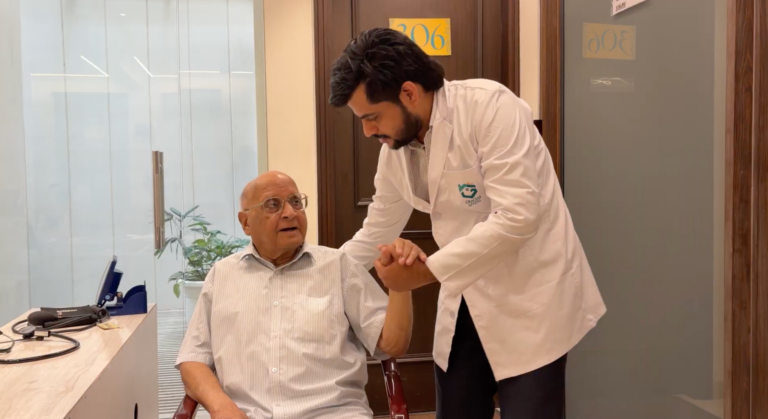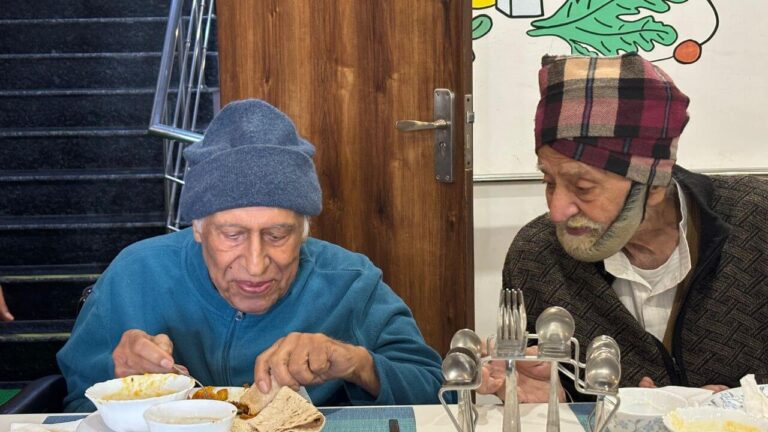

We have built a lot for the ageing body. Hospitals. Rehab. Home nursing. Medicines. However, we have built almost nothing for the ageing heart.
Surgeons replace knees. Doctors remove cataracts. Yet nobody operates on loneliness. Still, it quietly takes away years of good health from millions of older people, and most families never notice it.
I spend a lot of time with our residents at Gracias Living. I sit with them, talk with them and play cards with them. Again and again, they tell me the same thing: they used to miss these moments at home. That stays with me every time. After all, a house can be full of people, and a day can still feel empty.
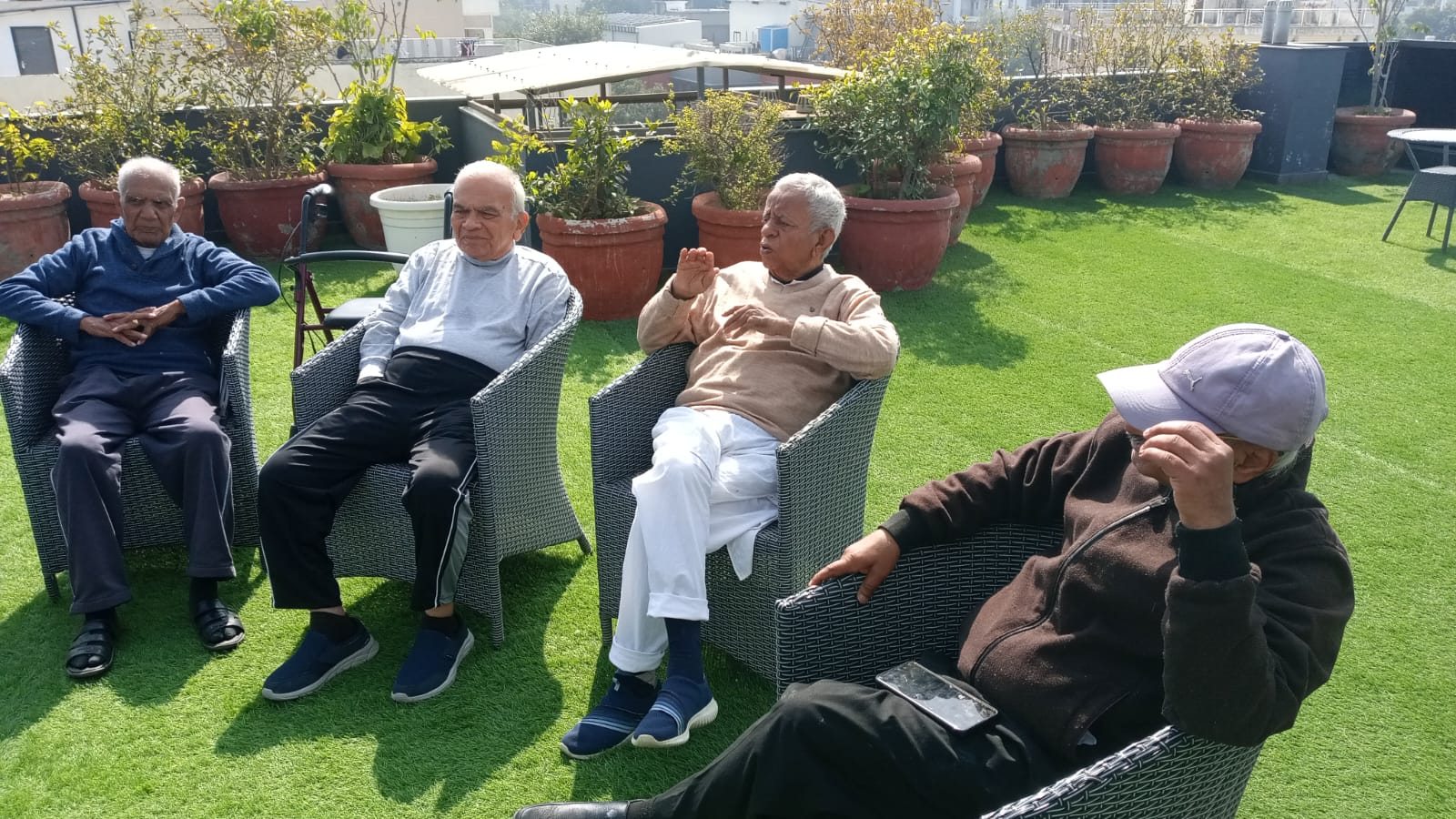
This guide explains what loneliness in old age really is, how it affects health, how to spot it in your parent, and what actually helps.
What is loneliness in old age?
Loneliness is a feeling. In other words, it is the hurt a person feels when their relationships do not match what they need. The World Health Organization (WHO) describes it as a gap between the connection you want and the connection you have.
However, loneliness differs from being alone. Many older people live alone and feel content. On the other hand, many others live in a full house and feel invisible. For this reason, doctors and researchers separate three ideas:
| Term | What it means | Can others see it? | Example |
|---|---|---|---|
| Loneliness | A painful feeling of not being close to anyone | Rarely. Older people often hide it. | A grandfather who eats dinner with the family every night and still feels nobody really talks to him |
| Social isolation | Few actual contacts with friends, family or community | Yes. You can count visits and calls. | A widow who stays home all week and speaks to no one except the maid |
| Living alone | A living arrangement, not a feeling | Yes | A retired professor who lives alone, walks with friends every morning and feels fine |
In fact, the two problems often travel together. An older person can face one, the other, or both. Both carry health risks.
How common is loneliness in old age in India?
About one in three Indians aged 45 and above reported loneliness in India’s largest ageing survey. Researchers studied 72,262 adults from the Longitudinal Ageing Study in India (LASI), using survey data from 2017 and 2018. They found 20.5% felt moderately lonely and 13.3% felt severely lonely.
The same study found that being married and taking part in religious or spiritual life lowered the risk of severe loneliness. By contrast, functional disability, poor distance vision, life stress and low life satisfaction raised it.
India is also ageing fast. The UNFPA India Ageing Report 2023 projects that Indians aged 60 and above will rise from about 10% of the population in 2021 to nearly 21% by 2050. That means about 347 million older people. At the same time, families are smaller. Children move to other cities and countries. As a result, more parents will grow old in quiet homes. That makes social connection a bigger part of elder care every year.
How does loneliness affect an older person’s health?
Loneliness harms both the mind and the body. Here is what large studies show about loneliness in old age.
It steals years of healthy life
Researchers at Tulane University followed 277,489 adults from the UK Biobank. At the start of the study, everyone was free of seven major diseases. At age 50, men who were both lonely and socially isolated had an estimated 5.8 fewer years free of mental disorders such as depression and anxiety. For women, the estimate was 3.7 years. The study also estimated fewer years free of physical disease: 2.4 years for women and 1.7 years for men. However, these are averages across a large group, not a prediction for any one person.
It raises the risk of dementia
A team at Florida State University combined 21 long term studies covering more than 600,000 people. People who felt lonely had a 31% higher relative risk of developing dementia. Still, this shows a strong link, not proof that loneliness causes dementia. The study also linked loneliness to Alzheimer’s disease and to early memory problems before a diagnosis.
It costs lives worldwide
The WHO Commission on Social Connection estimates that loneliness contributes to about 871,000 deaths every year. In other words, that is roughly 100 deaths every hour. The Commission links loneliness and isolation to stroke, heart disease, diabetes, cognitive decline and poor mental health. In addition, it estimates that social isolation affects up to one in three older adults.
Healthy ageing means more than staying mobile and disease free. It means still mattering, at 65 or at 85.
Medicines and check ups protect the body. Time with people protects the spirit. So families need to plan for both, in the same way they plan doctor visits and medicine refills. In my experience, the second plan often gets forgotten, even in the most loving homes.
Can exercise and a healthy diet protect against loneliness?
Healthy habits support overall health. However, they do not solve loneliness in old age on their own. In the UK Biobank study, a healthy lifestyle narrowed the health gap linked to social isolation. Yet it did not significantly narrow the gap linked to loneliness.
In simple words: a morning walk helps. A morning walk with a friend helps more. Similarly, good food matters. Good food at a table where someone asks about your day matters more.
What are the signs that your parent is lonely?
Loneliness in old age rarely announces itself. Older people seldom say “I feel lonely.” Watch for small changes instead, especially new ones:
- They keep you on the phone longer, or they stop calling at all
- They repeat the same old stories more often
- They have stopped going to the park, temple, gurudwara, club or society events
- The TV runs all day, mainly for the sound of voices
- They skip meals or eat very little when they eat alone
- Their sleep has changed: up at night, dozing through the day
- They call often about small aches and pains
- They take less care of their clothes, hair or home
- They seem more irritable, anxious or forgetful than before
- They often say “I don’t want to trouble you”
Of course, these signs can have many causes. Treat them as conversation starters, not a test. Still, even one new or lasting change deserves a gentle conversation.
- Low mood or withdrawal for more than two weeks: book a visit with your parent’s doctor. Loneliness can sit on top of depression or early dementia.
- Sudden confusion: call your doctor right away. Do not wait.
- Talk of wanting to die: get medical help immediately and stay with your parent until help arrives.
Why do older people hide their loneliness?
Many older people hide loneliness because they fear becoming a burden. For example, many grew up believing that a parent should give, not ask. So they worry that saying “I feel alone” will sound like a complaint against their children.
Some feel ashamed. Some believe loneliness simply comes with age. Many have lost a spouse and friends, and they grieve quietly. In every case, the result is the same. They smile on the video call and then sit alone for the other 23 hours.
What actually helps with loneliness in old age?
Time helps most. The answer is mostly not technology. It is an evening walk. Listening to the same story again. Asking for an opinion and actually using it.
Here are practical swaps families can make this week:
| Instead of this | Try this | Why it works |
|---|---|---|
| A quick “Have you eaten?” call | A fixed 20 minute call at the same time every day | A routine gives them something to look forward to |
| Visiting only to fix bills, repairs or doctor visits | One visit a week with no task attached | They feel wanted, not managed |
| Buying a bigger TV | Watching one show together and talking about it | Shared attention builds closeness |
| Deciding everything for them | Asking their advice on a real decision, then using it | Feeling useful protects self worth |
| Ignoring hearing or vision problems | Getting ears and eyes checked | Poor hearing and sight cut people off from conversation |
| Hoping they make friends on their own | Helping them join a group: satsang, walking club, music class, senior centre | Peers of the same age share the same life stage |
Invite them in
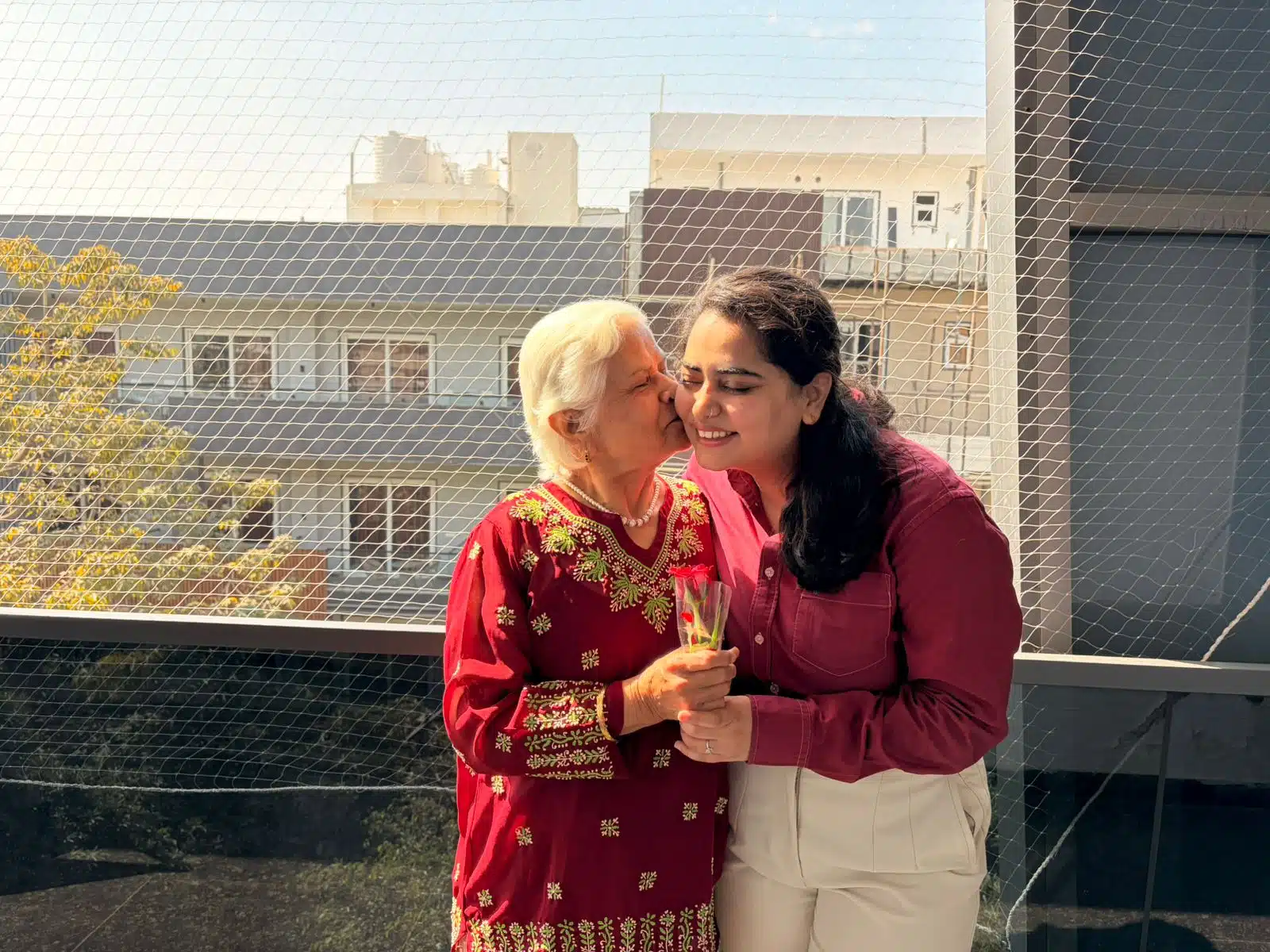
Include your parent in decisions and activities they enjoy. For example, ask them to teach a grandchild a recipe, review a family plan, or choose the festival menu. Then let them decide how much they want to take on.
Mix family time with peer time
Children cannot be everything. Older people also need friends their own age who remember the same songs, the same films and the same India. So look for groups near home and help with transport for the first few weeks.

Think about the nights
For many, loneliness in old age feels worst in the evenings and at night, especially for those who live alone. Many fall, worry or wake up confused at night with nobody near. Therefore, plan for night support as seriously as daytime care.
When should a family consider assisted living for a lonely parent?
Consider assisted living when loneliness in old age comes with daily care needs that home cannot meet. Ask these questions honestly:
- Does your parent spend most days without speaking to anyone?
- Have they had a fall, a hospital stay or a stroke recently?
- Do they skip meals or forget medicines?
- Do you live in another city or country?
- Does the caregiver at home look exhausted?
Several “yes” answers suggest your parent needs people around them every day, along with trained care. A good assisted living home gives both. Before you decide, visit, meet the staff and ask how the home keeps residents engaged through the day and safe through the night.
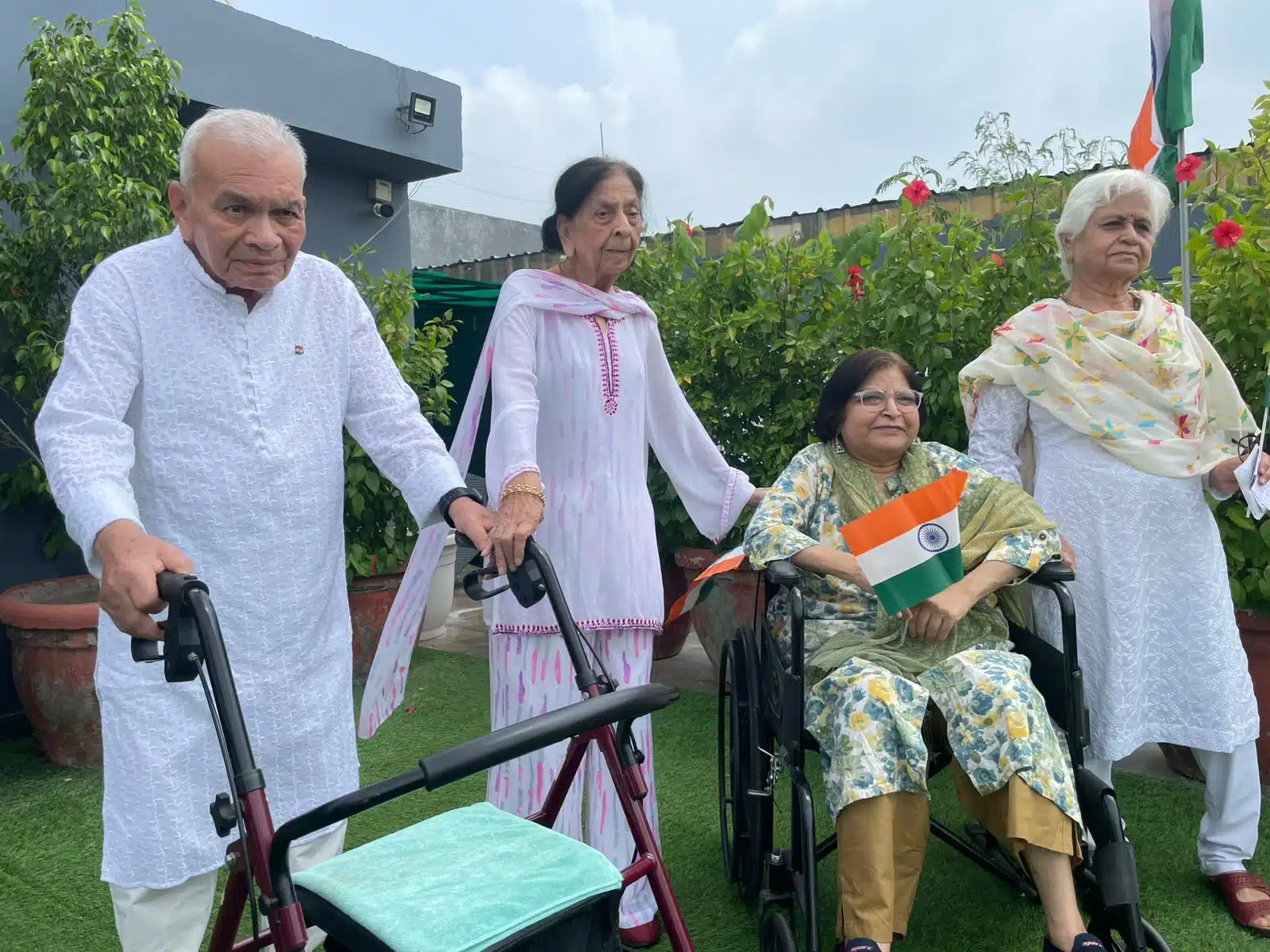
How does Gracias Living support seniors in Gurgaon?
Gracias Living runs senior care homes in Gurgaon, at DLF Phase 3 and Sector 43. In three years, our team has cared for 233+ families. We offer assisted living, dementia care, stroke rehabilitation, post operative care and palliative care.
We designed our care to ease loneliness in old age, so residents have people around them, day and night:
- Time together every day. We play cards and carrom with our residents, enjoy many other indoor games together, and go for evening walks in the park. See more on our Life at Gracias Living page.
- People around, day and night. Residents with a personal caretaker have that caretaker sleep in their room. Our common caretakers look after all other residents. A night nurse and a night caretaker also do rounds through the night.
- Families stay close. Every family gets a WhatsApp group with Gracias nurses and our customer experience team. Nurses share medical updates. Meanwhile, our team shares daily life updates.
- Familiar doctors. Residents keep their own treating doctors through video consults and follow ups. In addition, Dr. Chitra Anand guides our care team.
- Easy for children abroad. Families can complete admission online, pay online, email the signed agreement, and we can send an ambulance to bring their parent home to us.
- A home for life. Residents can stay as long as they wish. The agreement renews every 11 months.
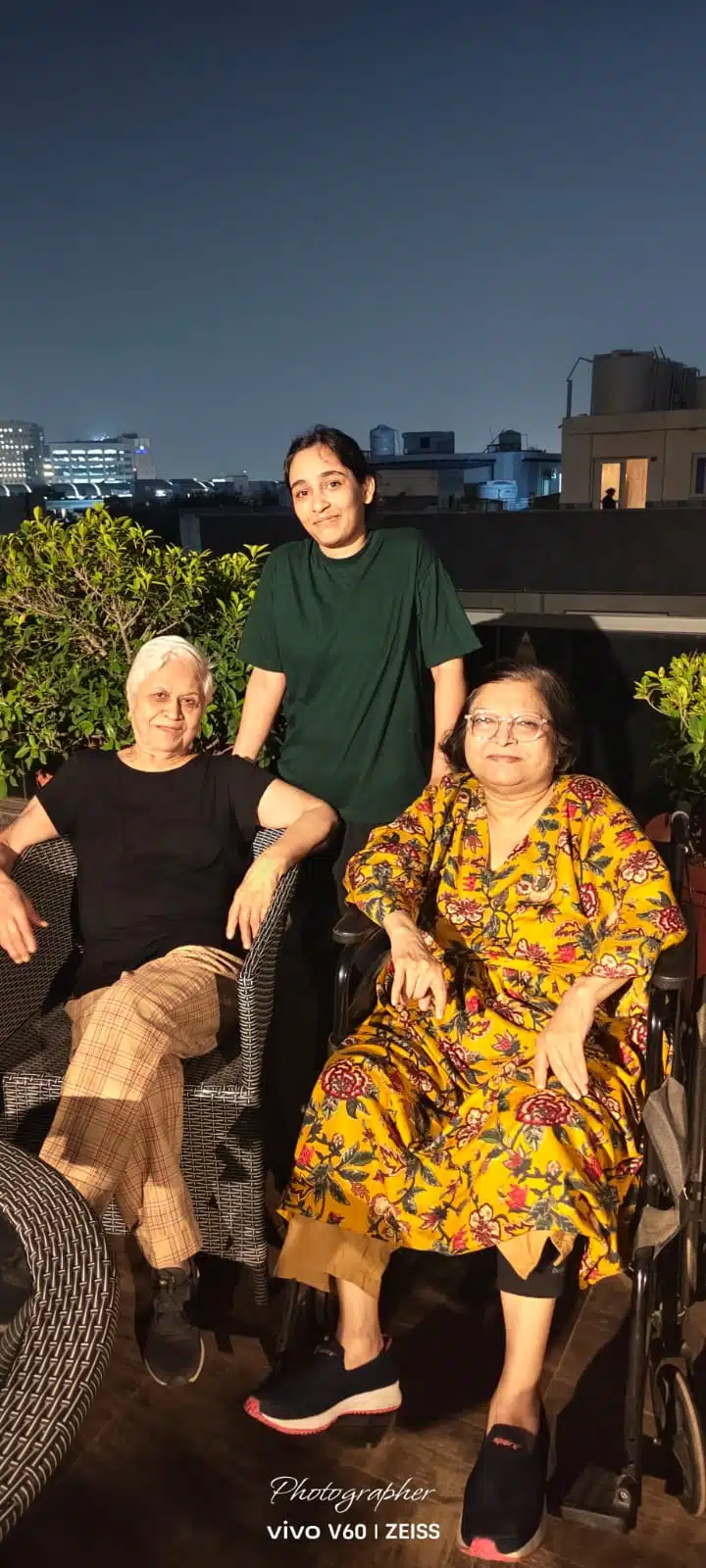
Want to hear it from our residents? Read their journeys on our Resident Stories page.
Frequently asked questions
Is loneliness in old age a medical problem?
Loneliness is not a disease. However, it is a serious health risk. The WHO links loneliness and social isolation to stroke, heart disease, diabetes, cognitive decline and poor mental health. For this reason, a doctor should check any older person who feels low for weeks.
Can my parent feel lonely while living with family?
Yes. Loneliness depends on the quality of connection, not the number of people at home. An older person can live in a busy house and still feel nobody listens to them. That is why unhurried one on one time makes the difference.
Does loneliness in old age cause dementia?
Research shows a strong link. A study of more than 600,000 people found that lonely people had a 31% higher relative risk of dementia. The study shows an association, not proof of cause. Even so, staying socially active remains one of the simplest ways to protect brain health.
How often should I call or visit my elderly parent?
Rhythm matters more than length. A short call at a fixed time every day, plus one unhurried visit or long call each week, works well for most families. Your parent learns to expect it and look forward to it.
Do old age homes make loneliness worse?
A good old age home can help. Residents meet people of their own age every day and trained staff stay around the clock. Every person settles in at their own pace. Visit before you decide. Then watch how staff talk to residents and ask how the home keeps families updated.
What should I ask an old age home about loneliness?
Ask who stays with residents at night, how residents spend a normal day, how often families get updates, and whether your parent can keep their own doctor. In short, clear answers to these four questions tell you a lot about the home.
Sources
- Wang X, Ma H, Heianza Y, et al. Associations of loneliness, social isolation and healthy lifestyle with life expectancy free of major physical disease and mental disorder. Nature Communications, 2026. UK Biobank
- World Health Organization. From loneliness to social connection: report of the WHO Commission on Social Connection, 2025. WHO
- Pengpid S, Peltzer K. Prevalence and correlates of loneliness among a nationally representative population based sample of middle aged and older adults in India (LASI Wave 1). Mahidol University Repository
- Luchetti M, et al. A meta analysis of loneliness and risk of dementia using longitudinal data from more than 600,000 individuals. Nature Mental Health, 2024. Florida State University College of Medicine
- UNFPA India and IIPS. India Ageing Report 2023. UNFPA India
When did you last spend an hour with an older person in your life, with no task attached? If your parent needs people around them every day, come and see how Gracias Living cares for seniors in Gurgaon.
Plan a visit to Gracias Living