

Pros and cons of assisted living are among the most important factors families should consider before choosing long-term senior care. Understanding both the benefits and the challenges helps families make informed decisions that balance safety, independence, quality of life, and personalised support for their loved ones.
At the same time, families should consider factors such as cost, emotional adjustment, and individual preferences before making a decision.
Pros and Cons of Assisted Living at a Glance
| Question | Quick Answer |
|---|---|
| What are the biggest benefits of assisted living? | Personalised care, 24/7 support, safety, nutritious meals, medication management, and social engagement. |
| What are the disadvantages of assisted living? | Monthly costs, emotional adjustment, and adapting to a new environment. |
| Who should consider assisted living? | Seniors who need help with daily activities but still want to maintain as much independence as possible. |
| Is assisted living worth it? | For many families, yes. The decision depends on the senior’s health, safety, care needs, and lifestyle preferences. |
Assisted living offers many benefits, including personalised care, enhanced safety, social engagement, nutritious meals, and support with daily activities. However, families should also consider factors such as cost, emotional adjustment, and personal preferences before making a decision. Understanding the pros and cons of assisted living helps families choose the care option that best supports their loved one’s health, independence, and quality of life.
Every family has different needs. This article explores both the advantages and the challenges of assisted living, helping you make an informed decision with confidence.
What Is Assisted Living and How Does It Work?
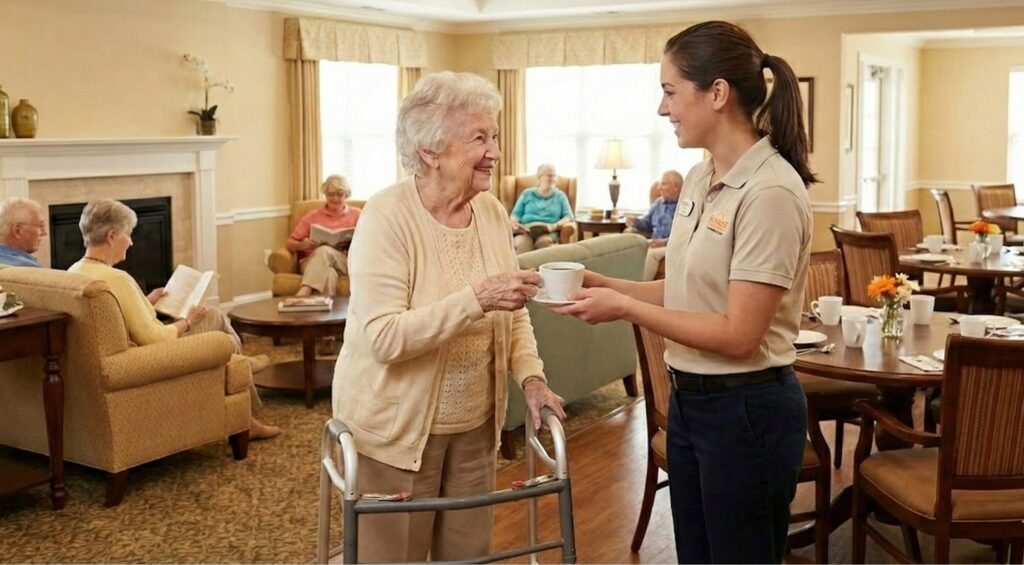
Assisted living bridges the gap between independent living and full-time nursing care. It is designed for older adults who want to maintain their independence while receiving the right level of support with daily activities, health management, safety, and overall well-being.
Residents receive personalised care based on their individual needs, which may include assistance with bathing, dressing, medication management, mobility, nutritious meals, housekeeping, and 24/7 support. At the same time, they continue to enjoy privacy, meaningful social connections, engaging activities, and a comfortable lifestyle in a safe and secure environment.
Unlike hospitals, assisted living communities focus on helping seniors live with dignity, purpose, and the highest possible quality of life rather than simply managing medical conditions. The goal is to provide the right balance of independence, care, comfort, and companionship, allowing residents to enjoy life with confidence while giving families peace of mind.
The National Institute on Aging recommends assessing a senior’s health, daily care needs, and safety before deciding on long-term care.
What Services Does Assisted Living Include?
Assisted Living provides a combination of personalised care, health support, daily assistance, and social engagement that helps seniors live safely, comfortably, and as independently as possible. While services may vary between communities, the following are the core services families can generally expect from a high-quality assisted living community.
| Service | How It Helps Residents |
|---|---|
| Personalised Care | Support with bathing, dressing, grooming, and other daily activities based on individual needs. |
| Medication Management | Timely medication administration and regular health monitoring. |
| Nutritious Meals | Balanced, dietitian-planned meals that support overall health and medical requirements. |
| Housekeeping & Laundry | A clean, comfortable, and well-maintained living environment without daily household responsibilities. |
| Safety & Security | 24/7 staff support, emergency response systems, and a secure environment. |
| Social & Recreational Activities | Group activities, hobbies, celebrations, fitness sessions, and opportunities to build friendships. |
| Health and Wellness Support | Regular health monitoring, physiotherapy coordination, and access to healthcare professionals when required. |
The value of assisted living lies in the way these services work together to help seniors live with greater safety, comfort, independence, and dignity.
When Do the Pros of Assisted Living Outweigh the Challenges?
Assisted living is often the right choice for older adults who need extra support but do not require continuous hospital care. If your parent is finding it difficult to manage daily activities, living alone safely, remembering medications, or maintaining a healthy routine, assisted living can provide personalised care, a secure environment, and meaningful social engagement while preserving their independence and dignity.
Every senior has unique needs, and there is no single answer for every family. However, the following situations often indicate that assisted living may be the right choice.
Older adults who can’t live alone safely
This extends to the older population who are at risk, such as falls, forgetfulness, or struggles to perform their daily chores independently. Assisted living is a secure place where an individual is under full-time supervision and immediate assistance in case of an emergency.
Seniors needing mild to moderate support
They are aged people who do not require full-time medical care but need assistance with their daily activities, such as taking a bath, dressing, or taking medication. Assisted living provides the appropriate balance of care at the same time preserving independence.
Elders requiring structured daily routines
Some elders work better by having a set routine of meals, activities, and then taking a rest. Assisted living offers a consistent schedule that enhances psychological health, reduces anxiety, and promotes healthier living.
Pros and Cons of Assisted Living
The pros and cons of assisted living play an important role in choosing the right care option for seniors. Understanding both sides helps families make thoughtful decisions that balance support, independence, and quality of life.
Benefits of Assisted Living (Pros)
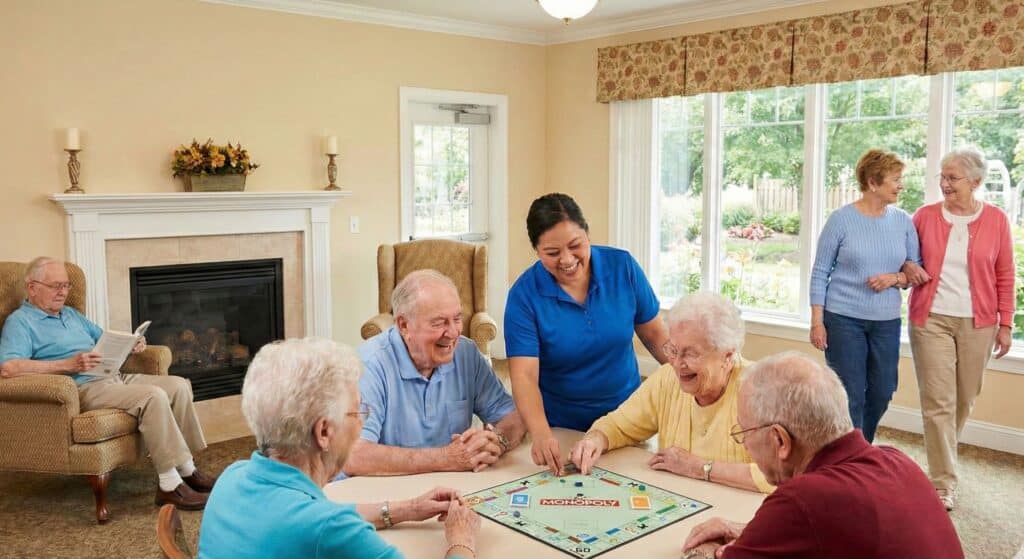
Assisted living provides a supportive and secure environment designed to meet the everyday needs of seniors. Here are some of the key benefits of assisted living, which make it a preferred choice for elders and their families.
Increased Safety and Support
- There is never a shortage of emergency help.
- Minimizing fall and accident risk.
- Infrastructure is safe and elderly friendly.
Help With Daily Activities
- Personal hygiene and mobility assistance.
- Less stress for family caregivers.
- Individually based care.
Social Interaction & Community Living
- Daily communication with colleagues.
- Less loneliness and isolation.
- Group activities and events organized.
Access to Health & Wellness Services
- Regular health monitoring
- Medicine administration assistance.
- Fitness initiatives such as yoga or light weight training.
No Home Maintenance
- No cleaning, repairs, or cooking stress.
- The facility deals with maintenance.
- Seniors are about living and not working.
Structured, Predictable Routine
- Regular food and exercise regimes.
- Improvement in sleep and mental stability.
- Perfect for the elderly who are habitual.
According to the National Institute on Aging, assisted living is a residential option that provides help with daily activities for older adults who don’t require the medical care of a nursing home.
Limitations of Assisted Living (Cons)
Higher Monthly Costs
Assisted living homes are costly, particularly where extra care is needed. Expenses can increase with the increase in care requirements.
Adjustment to a New Environment
Leaving a long-time residence can be emotionally challenging and overwhelming for most elders.
Limited Medical Care
Assisted living does not fit the elderly who require 24-hour medical attention or high-level nursing care.
Less Personal Privacy
Personal freedom may be diminished by mutual spaces, habitual schedules, and supervision of staff.
Varying Quality Across Facilities
Not all assisted living homes offer the same standards of care, staff training, or amenities.
Potential Separation From Family
In case the facility is remote from the home, family visits might be hard to implement frequently.
Assisted Living vs Staying at Home

Choosing assisted living vs staying at home depends on a senior’s safety, support needs, and lifestyle preferences. Understanding the key differences helps families make a practical and confident care decision.
Independence Level
Living at home enables the seniors to stick to familiar surroundings and follow their own schedule. Assisted living, however, is a tradeoff between autonomy and on-demand assistance so that help is not deprived of one’s personal freedom.
Costs Comparison
At first glance, home care can seem cheaper, particularly where there is minimal support. In the long run, the expenses of caregivers, alterations of the homes, and medical assistance might accumulate and might be much more than the organized price of assisted living.
Emotional and Social Impact
Seniors may also become lonelier and more emotionally isolated because of living alone. Senior assisted living promotes day-to-day communication, socialization, and bonding of the community, which are favorable to mental and emotional health.
Safety Considerations
Homes can be without protection mechanisms that may be necessary for aged persons, which puts them at risk of accidents. Assisted living facilities are senior safe and offer emergency response systems that have trained staff that is available 24/7.
Factors to Consider Before Choosing Assisted Living
Health Needs
Assess the state of health of the senior and the needed degree of support. Also, think about future requirements in order to make sure that the facility will be able to accommodate the varying care needs.
Budget and Long-Term Costs
Check the monthly price and other charges for extra services. It is necessary to think about long-term affordability as the care needs rise.
Facility Reputation & Certifications
Ensure that the facility is well licensed and within the requirements of the regulations. Reviewing and inspection reports of reading assist in measuring the quality of care delivered.
Location and Accessibility
Select a facility that is near the family members so that they can visit it regularly and provide emotional support. Hospitals and clinics are also easily accessible.
Staff-to-Resident Ratio
The facilities having less staff-to-residents ratios can provide more personal care. This will enable the residents to get attended to promptly and with increased support.
Activities and Community Culture
Active activities and a welcoming community will enhance the emotional status of the seniors. Positive culture makes residents feel special, engaged, and connected in society.
What to Expect in an Assisted Living Home
An assisted living home is a residential home that is provided with private or semi-private accommodations, daily assistance, meals, and recreation.
People are free to live their life but with assistance- the staff are present, but they do not interfere in their lives. Care plans might change over time with a change in needs.
To the family, it is a peace of mind to have their close ones in assisted living to know that the seniors are secure, well taken care of, and have a social life.
Why Choose Gracias for Assisted Living?
Understanding the pros and cons of assisted living is only one part of the decision; choosing the right assisted living makes all the difference. At Gracias Assisted Living,we combine personalised care, experienced caregivers, thoughtfully designed spaces, and a warm community environment to help seniors live safely, comfortably, and with dignity.
Gracias has trained caregivers, individualized care plans, and a warm community atmosphere, thus making seniors feel honored but not institutionalized.
At Gracias Living, these principles guide everything we do. Our personalised care plans, trained caregivers, engaging lifestyle programs, and warm community environment help seniors feel safe, respected, and truly at home. We are more like an extension of the family.
FAQs About Pros and Cons of Assisted Living
What is included in assisted living?
How is assisted living different from nursing homes?
What age qualifies for assisted living?
Are assisted living homes safe for dementia patients?
How much do assisted living facilities cost?
What are the Benefits of Assisted Living?