

With ageing, individuals enter into an age bracket in which, despite their experience, they have a distinctive array of problems faced by the elderly people. It is essential to understand these problems faced by elderly people to be able to organise the proper strategies to work with young people and provide better conditions of their living conditions. This guide addresses the concerns which are predominant, and provides solutions to them.
What are the common challenges faced by Senior Citizens
The problems faced by elderly people span a range of areas, including health, psychological conditions, and socio-economic factors. These are critical concerns that should be addressed in order to achieve dignity and comfort during old age.
1. Waning Physical Condition and chronic diseases.
The health-related issues of problems of senior citizens are those that are most common. The ageing process also leads to the degradation of physiological functioning, which subjects individuals to long-term diseases and other short-term ailments.
Impact:
Diseases with high prevalence rates include arthritis, diabetes and hypertension and cardiovascular diseases. Instances of tension due to decreased movement as a result of reduced bones and joints may occur and cause injury. Cognitive deterioration (e.g. in such conditions as Alzheimer’s and other forms of dementia) is also a significant issue.
Solution:
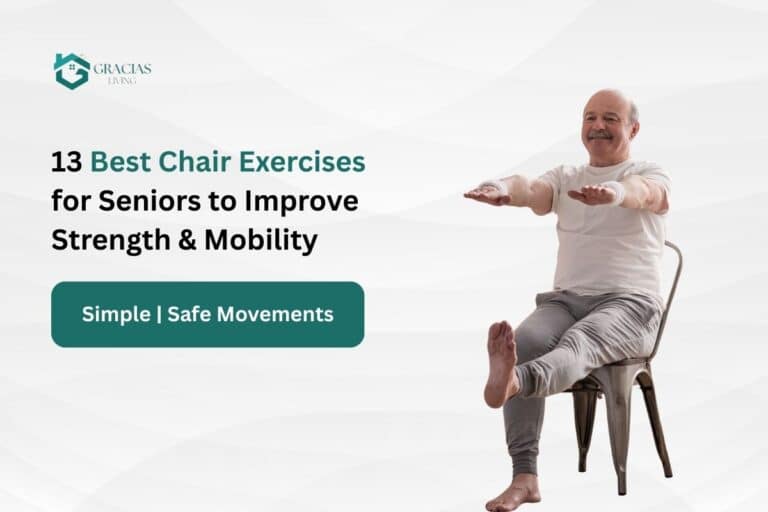
The most crucial thing is prevention and regular examinations. The elderly must have an active like Tai Chi Exercise or Chair Exercices and healthy lifestyle, consuming liquor in moderation and having a healthy diet. Moreover, specialised healthcare facilities (e.g., specialised doctors and services) should be promoted in terms of geriatric issues, to improve patient treatment results in the event of elderly issues.
Psychological Health and Emotional State.
Old age is a very problematic issue associated with mental complications, which are not given significant attention. Retirement, loss of spouse or friends, or the feeling of not being an independent person may lead to the onset of issues experienced by the aged people, like depression, anxiety and a feeling of being too lonely.
Impact:
Social isolation and loneliness are one of the largest causes of poor mental health, even when a person is staying with the family. Depending on the identity a professional experiences change to retirement, sometimes results in being purposeless and fearing being reduced to dependency.
Solutions:
by encouraging social interaction within the community through the use of community centres, hobby groups and intergenerational activities. Encourage elderly-centred counselling and mental health. They should ensure that the elders are engaged in decision-making and frequent discussions within the family so as to make them feel appreciated and not isolated.
Economic Dependency and Financial Insecurity.
A fundamental challenge is financial vulnerability, especially in developing countries. Poor savings, coupled with the increased medical expenses, normally force the aged into economic reliance.
Impacts:
Retirement in India, as well as other countries, is characterised by a large number of retirees who are without retirement savings or retirement plans, which translates to being dependent on their families. The increasing cost of healthcare due to chronic conditions may easily drain the scarce resources. This struggle becomes one of the causes of stress and the inability to get the required care.
Solution:
The state must pay more attention to the social security initiatives, as well as to the strong pension plans. It is also essential to promote financial literacy in middle-aged individuals to help them plan to retire early. They may also be provided by the government in the form of subsidised healthcare or full medical insurance schemes that target seniors.
Technological Gap Social Exclusion.
The everyday issues that result in the feeling of social exclusion of navigating through the rapidly changing society that is modern and including the problems faced by elderly people, are the everyday issues that result in the feeling of social exclusion.
Impacts:
Social exclusion through low mobility or the unavailability of social spaces. Difficulty in adjusting to new technologies (smartphones, online banking, digital services), which puts an obstacle to communication and required services. They might not be able to associate themselves with the lifestyle of the younger generation.
Solution:
Community outreach interventions involving social interaction and basic digital skills education. Age-friendly infrastructure, such as improved transport modes and walkable paths, is to be implemented in the urban areas. Intergenerational programs in which youth is taken as volunteers in efforts to close the technological divide.
Elder Abuse and Neglect
One of the most disturbing and silent issues among problems faced by elderly people and all other parts of the world is maltreatment and neglect, which may be either physical, emotional, monetary, or sexual.
Impacts:
The victims are usually fearful enough not to report them because they are addicted to the abuse, and they are afraid of retaliation. The refusal to administer medicine or eat properly is also some forms of abuse which seriously endanger health and safety.
Solution:
Introduce and install the older abuse hotlines and resources. Enact and enforce more stringent laws in order to safeguard the seniors. Such cases should be prevented and reported through community vigilance and educational campaigns to create awareness to the family and caregivers.
Hurdles in the Indian Context: Indian Senior Citizen Problems.
The elderly population in India as a whole is large and has been experiencing structural and societal issues that are peculiar to the old age persons in India. Although this was supported by the traditional joint family, the contemporary urban migration and small nuclear families have eroded the support.
Impacts:
Few geriatric dietitian services other than in big cities. Existing stigma about mental health, whereby elders do not want to seek depression or anxiety. There are no general, affordable, and quality elder care homes or systems of support that can provide additional help, which complicates the situation.
Solution:
It requires a multi-prong solution, which will be to enhance geriatric healthcare facilities, educate people about the rights of the elderly, and offer incentives to families to take care of their elderly.
Why These Senior Citizens’ Problems Persist in our society
These facts about the old population persist because of the combination of several factors in society, economics, and culture:
Rapid Socio-Economic Change:
The transformation of large joint families to small nuclear families implies reduced family members who can attend to patients on a daily and immediate basis. Migration in cities usually breaks up children with their parents, thus leaving the elderly people in their hometowns lonely.
Ageism and Lack of Empathy:
Ageism in society (Biases against an individual due to age) undermines the input of the seniors, where they are marginalised in social and economic life.
Poor Public Policy and Infrastructure:
The elderly are exposed due to a failure to provide social security and retirement benefits comprehensively and compulsorily, as well as failure to provide available healthcare infrastructure in an accessible way. Their mobility issues are frequently not considered in designing various infrastructures such as the public spaces, transportation, and housing.
How Families and Society Can Help to reduce Elderly problems
The best old age problems and solutions will commence at the ground level, that is, the family and the local community.
1. Focus on Open Communication:
Become a good listener, making them feel valued and listened to, as well as include them in the family decision-making to help them feel valuable and in control.
2. Take Care of their Health:
Watch their health regularly, take them to the doctor regularly and make sure the medical appointments are kept together.
3. Combat Loneliness:
Set aside periods of company togetherness. Make them engage in interests and be in touch with friends.
4. Make the Home Safer:
Modify the Living environment with safety measures such as grab bars, non-slip mats and increased lighting.
5. Respect Financial Independence:
They should as much as possible be incorporated in the control of their own finances, and one should be supportive without being controlling.
6. Make Spaces Age-Friendly:
Support the idea of helpful parks, communal centres, and transport.
Government Schemes, Legal Rights & Support for Senior Citizens
Governments around the world and in India in particular have realised that there is a need to give formal assistance in curbing the problems associated with old-age persons.
In India, the main government assistance involves:
- National Policy for Older Persons (NPOP): It seeks to give older people income, healthcare and housing security.
- The Maintenance and Welfare of Parents and Senior Citizens Act 2007: According to this law, it is the legal duty of children and the heirs to maintain senior citizens and parents and offer constructions to old age homes.
- Pradhan Mantri Vaya Vandana Yojana (PMVVY): This is a pension plan which offers a guaranteed yield/pension to old-age citizens.
- Healthcare Subsidies: Medical care has several schemes and discounts to avail, but there is still a challenge to access.
- Senior Citizen Concessions: Railway fares and priority seating in public transport are discounted.
Conclusion
Old age people have complex and multifaceted problems faced by elderly people yet they are not impossible. The overall aim should be to make sure that the end of life will be dignified, comfortable and respectable.
Through a holistic approach, which would be to combine a robust family support, a sympathetic community approach and a powerful governmental policy, in particular, the one designed to tackle the special problems faced by elderly people, we will all have an opportunity to contribute towards some great improvements in the lives of our senior citizens.
Frequently Asked Questions
What are the most common problems faced by senior citizens in India?
The most prevalent issues of the elderly citizenry in India include ignorance of sufficient financial security (pension/savings), the lack of availability to quality and specialised geriatric health care, and growing issues of social isolation and lack of companionship (the fading away of the old system of joint families in cities).
Why do many elderly people feel lonely even when living with family?
Loneliness exists as long as individuals live with the family, mostly because it does not presuppose meaningful contact. The family could be occupied with work, kids and the contemporary lifestyle and leave the elder person feeling peripheral, silent or not included in the decision-making process and everyday problems for the elderly. A generation gap in technology and interests also tends to make this even worse.
What government schemes are available for senior citizens in India?
The key government initiatives in the Indian cities include the pension scheme, Pradhan, Mantri Vaya Vandana Yojana (PMVVY), the development of financial assistance to the needy under Indira Gandhi National Old age Pension Scheme (IGNOAPS) and the provision of legal care, better known as the Maintenance and Welfare of parent and senior citizen, 2007.
How can families reduce the risk of elder abuse or neglect?
Family members can reduce the threat by making sure that senior possesses the control over his/her own money, communicating and monitoring the state of the senior on the whole, and through a feeling of being supported by a circle of friends or professionals who are not part of the immediate family. It is quite crucial to offer respite or professional help when a caregiver looks tired.
What simple steps can improve safety and comfort for elders at home?
These are easy-going measures like the grab bars in the bathroom, sufficient light in all areas (this stands out more especially at night), non-slip mats in the wet walkways, the eradication of tripping items like loose carpeting of all kinds and the placing of frequently used domestic items in strategic positions so that one does not need to climb or bend long distances to acquire something.