
One has to seek amusing and entertaining activities that will sustain the level of life. The guide will contain 35 easy, fun, and safe elderly games for seniors, comprising brain-strengthening puzzles and card games, sitting physical exercises, and activities for dementia patients. Get ready to play!
Benefits and why games matter for older adults
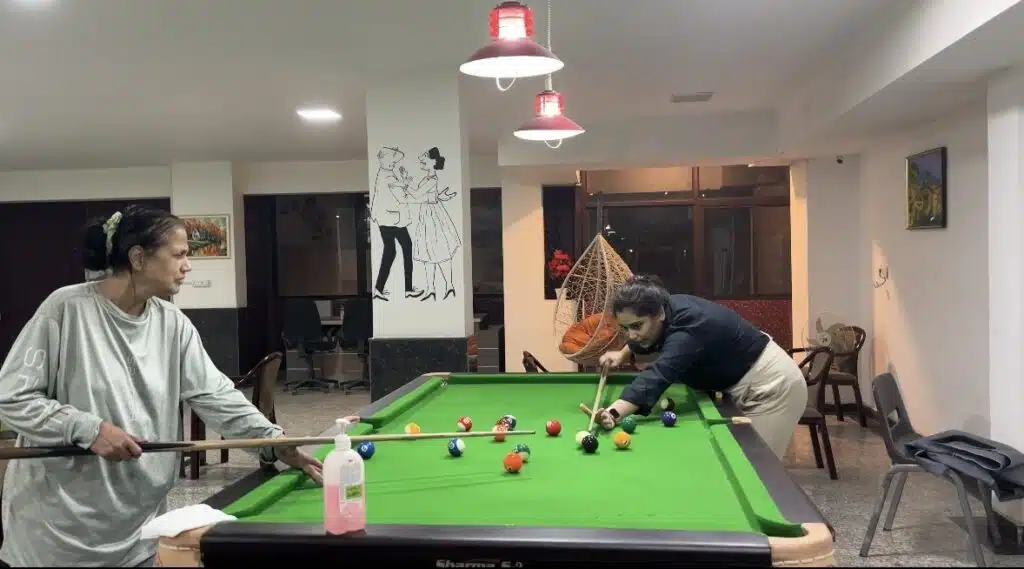
Game-based engagement is a critical element of healthy ageing, which is holistically substantial and improves cognitive, emotional, and physical situations, reflecting the importance of personalized care in assisted living.
Cognitive Benefits
Games are a physical exercise for the brain, since they enable the mental performance to remain fit and keep the brain healthy. It could be planned/remembered, helping to improve:
- Memory: Card games test the ability to recall.
- Interest and Concentration: Concentration is tracked or is in the form of rules.
- Problem-Solving: Strategy games and puzzles are cognitively flexible.
Emotional/Social Benefits
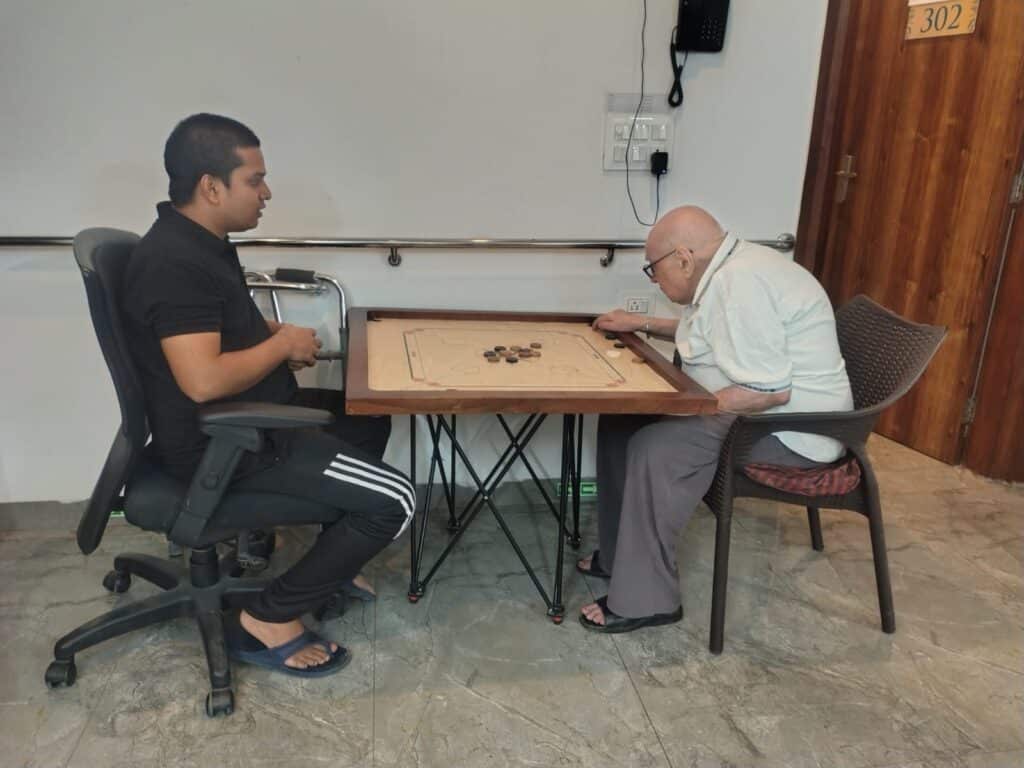
Games are good, even social morale boosters. It helps in
- Lessen Loneliness: Teams build a sense of togetherness and integrity.
- Make the atmosphere lighthearted: Competitions and laughing are great relaxers of stress.
- Social Interaction: It is the simple mechanism of chatting and establishing friendships by playing games.
Physical Benefits
Even such games that are not exhausting, such as low-impact games or sitting games, possess some considerable physical advantages, like:
- Coordination: The coordination of the hands and eyes (throwing, catching, handling) and reaction to the control of the game pieces is enhanced.
- Blood Circulation and Mobility: Light Movement helps in blood circulation and movement.
- Fine Motor Skills: The hands can be dexterous through the coordination of the hands with bits like cards or dice.
- Professional opinion: Studies have always shown that engagement in cognitively demanding leisure activities would require a decreased risk of cognitive decline, e.g., game playing. An important aspect is the play, which happens to be proactive when it comes to senior wellness.
List of 35 Games for Old People
The next page lists several of these safe games and pleasant activities, some categorised according to the kind of interest or capacity.
Board Games for Seniors
- Checkers: Easily learned strategy.
- Scrabble (or word games): Excellent recall at verbal.
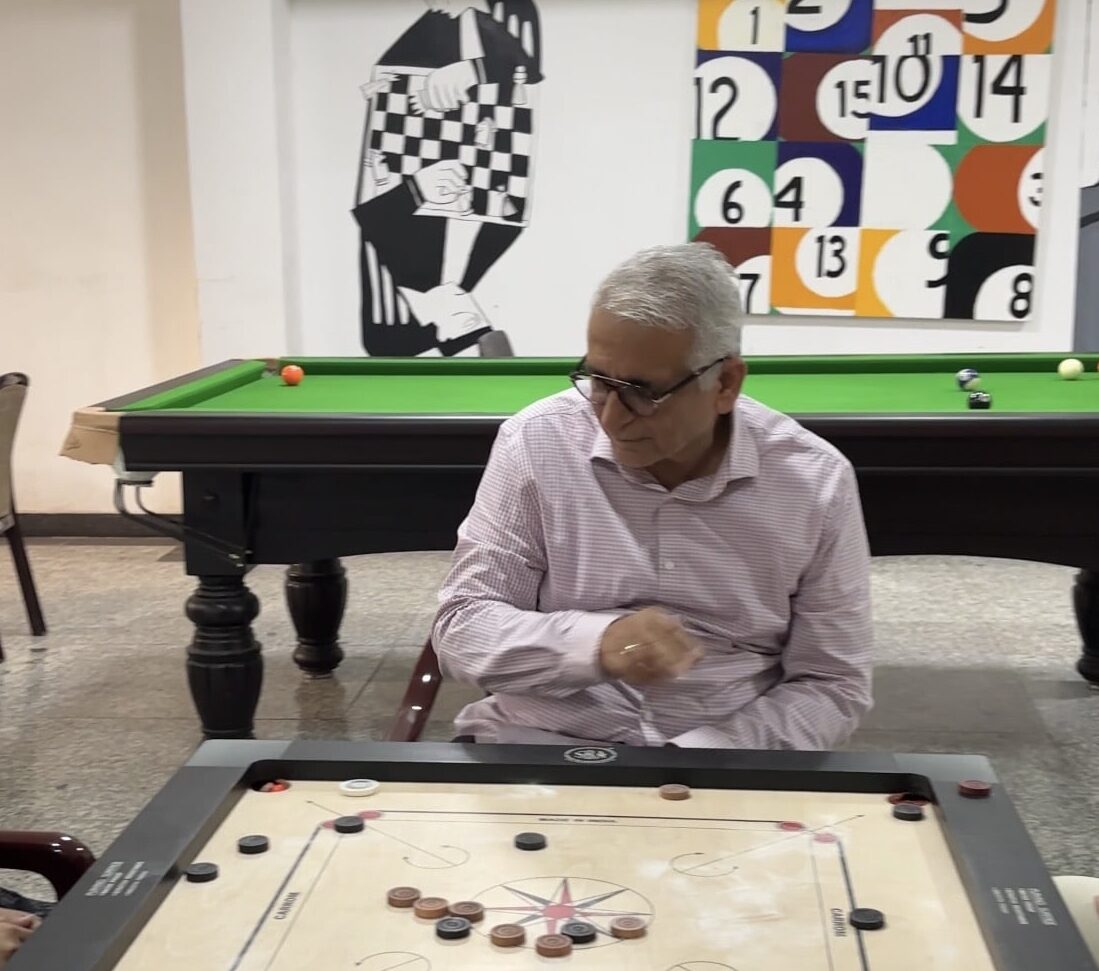
- Carrom: Promotes social benefits by encouraging bonding
- Trivial Pursuit (Seniors Edition): General knowledge test.
- Dominoes (Mexican Train): Counting and socialisation.
Card Games for Seniors
- Challenging: A challenging problem, social.
- Uno: Fast-paced and simple.
- Pinochle/Canasta: Partnership strategies.
- Get Fish: Text-only memory game.
- Solitaire: Personal intellectual mental stimulation.
Brain Games on Cognitive Wellbeing
- Sudoku: Number logic puzzles.
- Crossword Puzzles: Superb pronunciation (large-print).
- Jigsaw Puzzles: Group or individual (100-300 massive pieces).
- Logic Puzzles: Guessing game.
- Verbal Conjectures: 20 Questions, logical deduction.
Memory Games (Dementia-Friendly Options)
- Matching Games (Concentration): Short-term memory and picture recognition.
- Name That Tune: Familiar songs used to arouse remote memory.
- Photo Flashcards: Recite/Discuss: Picture or historical images of the family.
- Chain Story: Sentences are positioned onto each other.
- I went to the Market: Step-by-step memory game.
Large Group Indoor Games
- Bingo: Old-fashioned, lively group game.
- Balloon Volleyball(Sitting): an excellent (low-impact) sporting activity.
- Ring Toss: A coordination game in place.
- Charades: Encourages activities and guessing.
- Fill in the Blank Test: Tests cultural intelligence in a team.
Games Outdoor: Playing Games with Seniors
- Bocce Ball/Petanque: Thumbing game.
- Croquet: Strolling on women’s feet.
- Gardening Games: Moving games of cognitive engagement.
- Nature Scavenger Hunt: Bears walking and observation.
- Shuffleboard: A loose and soft game.
Digital & App-Based Games
- Tablet Constructed Solitaire/Mahjong: Non-complex digitalised ones.
- Application to Brain Training: Practice various everyday mental exercises.
- Wii Bowling (or any other motion game): Soft motion video game.
- Trivia Apps: General knowledge tests that come daily are extremely fast.
- Simple Puzzle Apps: Only entail the application of spatial reasoning.
How to Choose the Right Game for Seniors
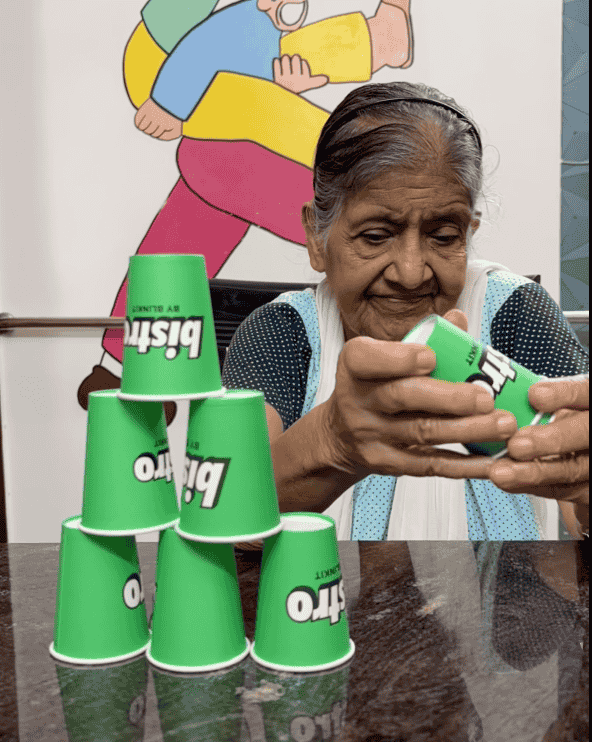
The appropriate game will be appealing, secure, and compelling. It is always important to remember to have an activity that matches the abilities and preferences of the person.
Match to Ability
- Cognitive Level: Simple games should be used, like Matching or Bingo, in case of impairment. A complex strategy like Bridge is necessary to be high-functioning.
- Mobility: Attend to seated exercises (cards, boards) or low-intensity exercises. Make sure that the products are portable.
- Vision/Hearing: Read with huge writing, use bright colours, touch-play games.
Solo vs. Group and Time Span
- Solo: Puzzles, Solitaire, and Sudoku, good for independent time.
- Group: Bingo, Trivia, and Card games encourage socialisation.
- Short Games (5-15 minutes): These are well-suited in cases where the person has attention deficit (e.g. Uno, quick trivia).
- Longer Games (15 minutes and longer): These are the ones that are more advantageous in an engaged group, or a delicate strategy (e.g. Scrabble).
Safety and Supervision
- Fall Risk: Clear areas of movement and keep assistive devices nearby.
- Choking Hazards: Avoid small parts with seniors who may put items in their mouths; use large, sturdy materials.
Conclusion
The simplest yet successful ways of value addition to the lives of the old population are through games for seniors. It can be intellectual stimulation of a crossword, it can be socialisation of a card game or the light sport of balloon volleyball. All these activities unite people, intellectualise the brain and play a major role in making people happy and healthy.
Frequently Asked Questions
What games are good for seniors to play?
Bingo, Card Games (ex, Uno), large-piece Jigsaw Puzzles, and sitting body games (such as Balloon Volleyball or Ring Toss) are the most appropriate ones.
What are the best brain games for seniors?
The best ones which should be used are Sudoku, Crossword Puzzles(large print), Scrabble and Matching (Concentration) games to sharpen memory.
What are good board games for seniors?
Checkers/ Dominoes (Mexican Train) is a good game due to its easy rules and strategy. Rummikub is well known in recognising patterns.