
🩺 Medically reviewed by: Dr. Vishal Siwach
📝 Editorially updated by: Gracias Living Editorial Team
📅 Last updated: July 2026
🔎 Update note: Reviewed for medical clarity, person-first language, activity safety, and current dementia-care guidance.
Which therapies and everyday activities can help my loved one stay engaged, comfortable, and connected?
Therapies and activities for dementia patients may include music therapy, reminiscence, art, cognitive stimulation, gentle exercise, and sensory activities. When matched to the person’s abilities, interests and stage of dementia, they can support mood, communication, movement, social connection and a sense of purpose. Activities should remain simple, familiar and enjoyable and should not feel like a test.
The best dementia activity are the one that helps the person feel stimulated, safe, capable and meaningfully involved.
What Can Dementia Therapies and Activities Support?
🧠 Cognitive Engagement: Simple conversations, matching games and reminiscence activities encourage attention, language and participation without testing the person’s memory.
💛 Emotional Comfort: Familiar music, creative activities and reassuring routines may reduce distress while creating moments of enjoyment and connection.
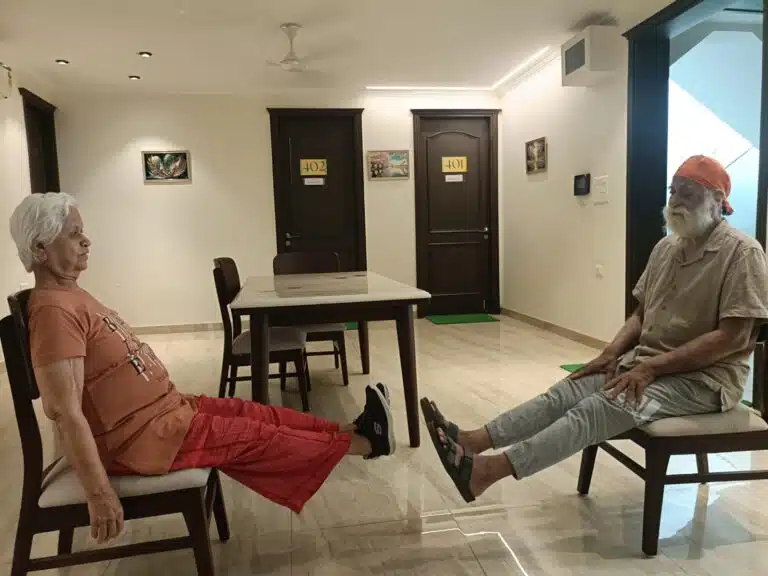
🚶 Physical Ability: Walking, stretching and chair-based movement can support mobility, balance, strength and participation in daily activities.
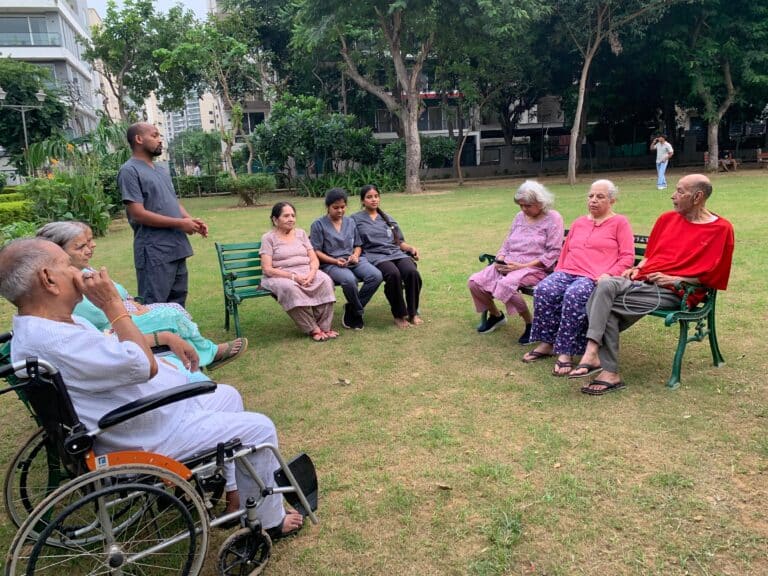
🤝 Purpose and Connection: Group activities and familiar household tasks help people remain involved, socially connected and valued in everyday life.
Remember: The goal is meaningful participation and not perfect performance.
Quick Summary of the article:
- 🧠 Choose activities according to the person’s current abilities.
- ❤️ Use familiar interests, memories, and routines to encourage participation.
- ⏱️ Keep sessions short and allow time to respond for dementia patients.
- ✅ Focus on enjoyment and involvement rather than correct answers
- 🔄 Simplify or change the activity if it creates frustration.
- 🪑 Adapt movement activities to the person’s mobility and fall risk.
- 👩⚕️ Use qualified professionals for structured clinical therapies.
- 🌤️ Accept that preferences and abilities may change from one day to another.
Dementia Therapies and Activities at a Glance
| Therapy or activity | How it may help | Simple example |
|---|---|---|
| 🎵 Music therapy | Supports mood, connection and self-expression | Singing or listening to familiar songs |
| 🖼️ Reminiscence | Encourages conversation and reinforces identity | Looking through family photographs |
| 🎨 Art activities | Offers non-verbal expression and sensory engagement | Painting, colouring or clay work |
| 🧩 Cognitive stimulation | Encourages thinking, language and social interaction | Word games, matching or sorting |
| 🚶 Physical activity | Supports strength, balance, mobility and sleep | Walking, stretching or chair exercises |
| 🌿 Sensory activities | Provides comfort without demanding complex thinking | Gardening, textured objects or familiar aromas |
| 🧺 Everyday tasks | Maintains participation and a sense of purpose | Folding towels or arranging flowers |
| 👥 Social activities | Reduces isolation and encourages connection | Small-group conversations or celebrations |
Dementia is a complex and progressive condition that affects millions of people worldwide.
It is characterized by a decline in cognitive function, affecting memory, thinking, language, and the ability to perform everyday activities.
While there is no cure for dementia, various innovative therapies and activities have been shown to significantly improve the quality of life for patients by stimulating cognitive function, enhancing mood, and providing a sense of accomplishment.
Which Therapies and Activities Are Helpful for Dementia?
Helpful therapies and activities for people with dementia include music therapy, art, reminiscence, cognitive stimulation, gentle exercise and sensory engagement. Their purpose is to support comfort, communication, movement, social connection and meaningful participation. Activities should be adapted or stopped if they cause fatigue, anxiety or frustration.
These Therapies and activities help dementia patients by stimulating Cognitive function and improving their well-being.
1. Music Therapy
Music therapy uses familiar songs, rhythm, singing, and simple instruments to encourage comfort and connection. It may support mood, communication, and social participation, even when verbal abilities have declined.
How Music May Help
- 🤝 Builds connection: Shared music creates enjoyable interaction with family members and caregivers.
- 🎵 Creates familiarity: Favourite songs can offer comfort and evoke personal memories.
- 😊 Supports mood: Gentle music may reduce distress and encourage relaxation.
- 🗣️ Encourages expression: Singing, clapping or moving to rhythm provides another way to communicate.
Research Findings:
- A study published in the Journal of Alzheimer’s Disease (2018) demonstrated that personalized music playlists could significantly reduce symptoms of depression and anxiety in dementia patients.
- Another study in the Journal of Music Therapy (2013) showed that music therapy sessions led to improvements in cognitive function and communication skills in individuals with dementia.
At Gracias Living, Residents participate in sing-alongs, gentle movement and personalised listening based on their interests and life histories.
Music should match the person’s preferences. Stop or change it if the sound causes discomfort, agitation or sensory overload.
2. Art Therapy
Art therapy uses painting, drawing, colouring, collage or clay to encourage creativity and self-expression. It can be especially meaningful for people who find verbal communication difficult.
How Art May Help
- 🤝 Creates connection: Making and discussing art can support interaction with others.
- 🎨 Encourages expression: Colours and shapes offer a non-verbal way to communicate.
- 😊 Supports relaxation: Simple creative activities can provide calm and enjoyment.
- ✋ Uses fine motor skills: Holding a brush, crayon or clay encourages hand movement.
Research Findings:
- A study published in the Journal of Aging and Health (2014) found that art therapy sessions led to improved mood, cognitive function, and social interaction in older adults with dementia.
At Gracias Living: Residents choose simple art activities based on their interests and abilities. We value their participation and enjoyment rather than judging the finished artwork.
Use safe, non-toxic materials and avoid correcting or comparing the person’s work. The process matters more than the result.

3. Reminiscence Therapy
Reminiscence therapy uses photographs, music, familiar objects, and personal stories to explore meaningful experiences from the past. It can support identity and create comforting conversations without testing the person’s memory.
How Reminiscence May Help
- 📸 Encourages conversation: Photographs and familiar objects can make communication easier.
- 💛 Reinforces identity: Life stories remind the person of their relationships, roles, and achievements.
- 😊 Creates comfort: Positive memories may bring familiarity and emotional reassurance.
- 🤝 Strengthens relationships: Sharing stories helps families and caregivers connect with the person beyond dementia.
At Gracias Living: Families help us understand each resident’s life history, favourite music, important relationships and meaningful experiences. We use these details to personalise conversations and activities.
Never pressure the person to remember names, dates or events correctly. If a memory causes distress, acknowledge the emotion and gently change the subject.
Research Findings:
- Research published in the International Journal of Geriatric Psychiatry (2012) indicates that reminiscence therapy can improve mood, cognitive function, and communication skills in dementia patients.
4. Physical Exercise
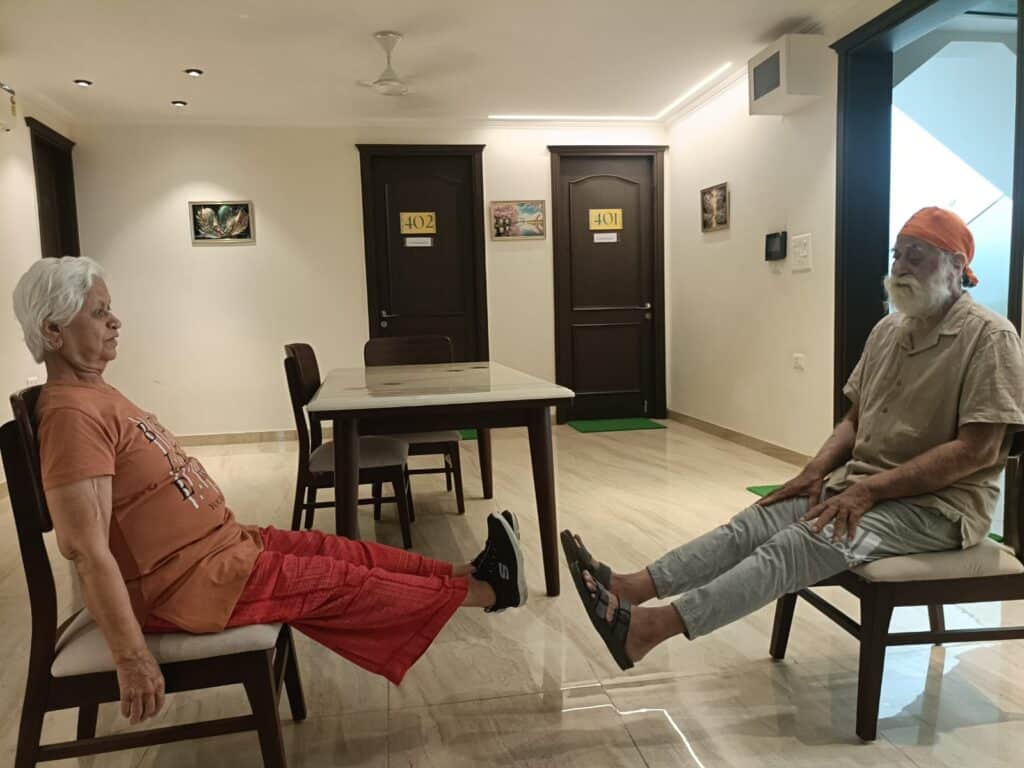
Physical exercise for people with dementia may include walking, stretching, chair exercises, gentle yoga, and simple balance activities. Regular movement can support mobility, independence and overall well-being.
How Physical Activity May Help
- 🚶 Supports mobility: Movement helps maintain strength, flexibility and walking ability.
- ⚖️ Improves balance: Supervised exercises may support stability and reduce fall risk.
- 😊 Supports mood: Enjoyable movement can reduce restlessness and provide a positive routine.
- 🌙 Encourages better sleep: Daytime activity may help support a healthier sleep pattern.
- 🤝 Creates social connection: Walking or exercising with others makes movement more engaging.
At Gracias Living: We adapt walking, chair exercises, stretching, and physiotherapy-led movement to each resident’s health, mobility, and energy level.
Exercise should be medically appropriate and supervised when necessary. Stop if the person experiences pain, dizziness, breathlessness or unusual fatigue.
Research Findings:
- A study from the Journal of Alzheimer’s Disease (2017) reported that moderate exercise, such as walking or yoga, can improve cognitive function and slow the progression of dementia symptoms.
5. Cognitive Stimulation Therapy (CST)
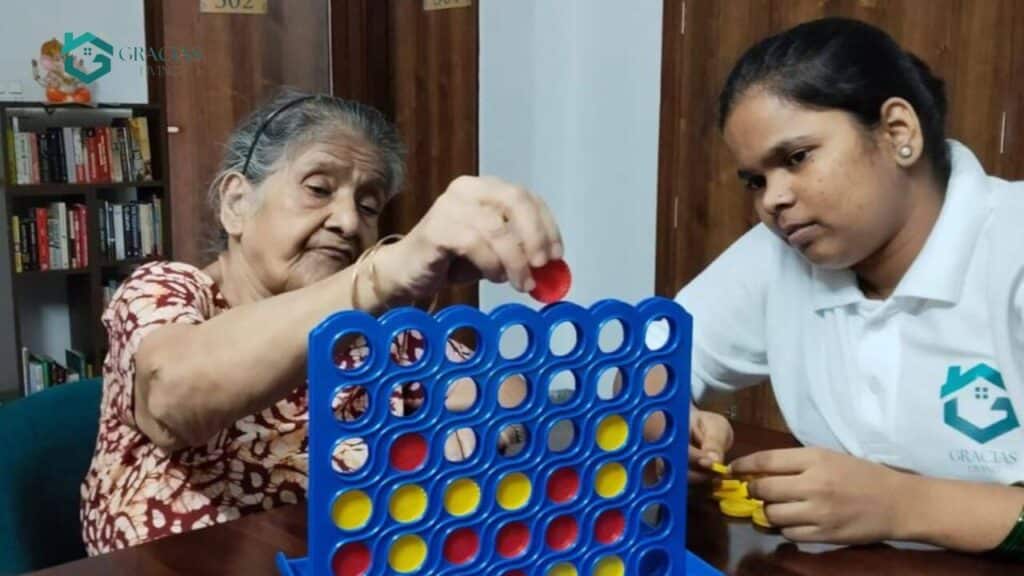
Cognitive Stimulation Therapy is a structured group programme generally designed for people with mild to moderate dementia. It uses themed conversations, word activities, number games and creative tasks to encourage thinking and social interaction.
How CST May Help
- 🧠 Encourages thinking: Varied activities engage language, attention and problem-solving.
- 🗣️ Supports communication: Group discussions give participants opportunities to express themselves.
- 🤝 Promotes social connection: Small-group sessions encourage interaction and shared enjoyment.
- 😊 Builds confidence: Activities focus on participation without testing or correcting the person.
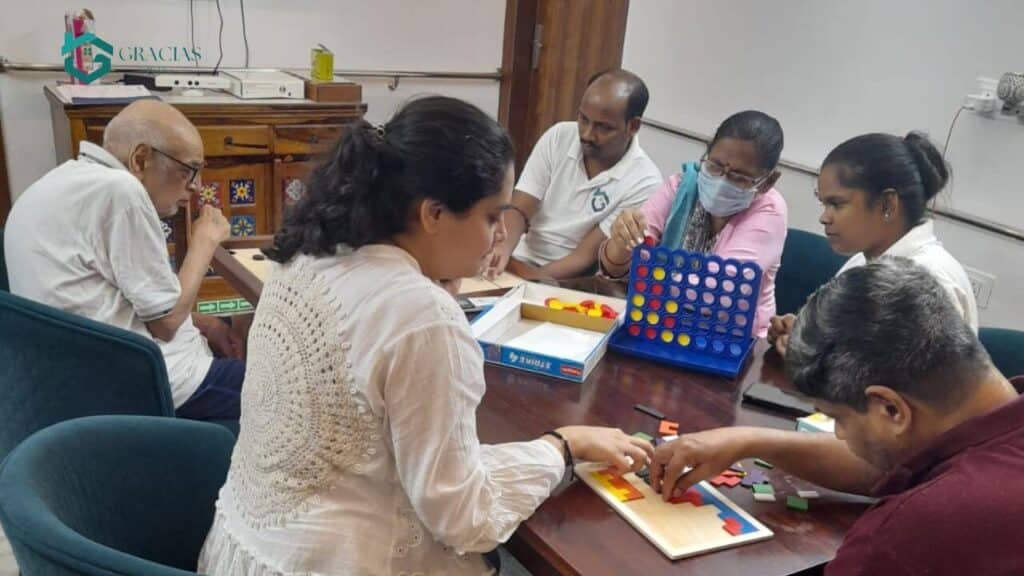
At Gracias Living: Residents take part in adapted cognitive activities such as word games, matching, sorting, and guided conversations. Activities are selected according to each person’s abilities and comfort.
Formal CST follows a structured programme and should be led by someone trained to deliver it. Activities must never make the person feel tested, embarrassed or compared with others.
Research Findings:
- A meta-analysis published in the Cochrane Database of Systematic Reviews (2012) concluded that CST can improve cognitive function and quality of life in people with mild to moderate dementia.
How Do Therapies and Activities Help People with Dementia?
Therapies and meaningful activities can help people with dementia remain physically active, emotionally connected and involved in daily life. They may support mood, communication, movement, sleep and social interaction while reducing boredom, loneliness and distress.
These activities do not cure dementia or stop its progression. Their value lies in focusing on what the person can still enjoy and do, rather than testing lost abilities. The greatest benefit comes when each activity reflects the person’s interests, culture, life history and present capabilities.
Signs That an Activity Is Working
- 🔁 They show interest in doing the activity again.
- 😊 The person appears relaxed or interested.
- 🗣️ They speak, sing, gesture, or make eye contact.
- 🙌 They participate willingly, even for a short time.
- 💛 The activity creates comfort or positive emotion.
- 🤝 They connect with a caregiver or another participant.
What Support Is Available for People with Dementia and Caregivers?
Dementia support may include medical guidance, professional therapies, trained caregivers, respite care and family education. The right combination depends on the person’s symptoms, stage of dementia, safety needs and the family’s ability to provide daily care.
🩺 Medical and Therapeutic Support
Doctors can assess changes in memory, mood, behaviour, sleep or movement. Physiotherapists, occupational therapists, speech therapists and mental-health professionals may address specific needs.
👩⚕️ Trained Dementia Care
Professional caregivers can assist with medication, meals, hygiene, mobility and meaningful activities. Consistent care also helps identify changes that may require medical attention.
🏡 Respite Care
Respite care provides short-term professional support while the primary caregiver rests, travels, or manages other responsibilities. It can last from a few hours to several days or weeks.
📚 Caregiver Education
Training helps families understand dementia progression, communicate more effectively, adapt activities, and respond calmly to confusion or distress.
🤝 Support Groups
Caregiver groups provide practical advice and emotional reassurance from people facing similar challenges. They can reduce isolation and remind caregivers that asking for help is part of responsible care.
Caregiver reminder: Support should not begin only after burnout. Asking for help early protects both the caregiver’s well-being and the quality of care provided.
Dementia care is not limited to formal therapies but covers a lot of resources for both the patients and the caregivers. The care is required to address the daily problems of the disease and to avoid caregiver burnout.
Which Sensory Activities Help People with Dementia?
Sensory activities use sight, sound, touch, smell, and taste to create comfort, connection, and gentle engagement. They can be especially helpful when conversation or complex activities become difficult.
| Sense | Simple activity | Possible benefit |
|---|---|---|
| 🖐️ Touch | Fold soft towels or hold textured fabric | Comfort and calm |
| 👃 Smell | Smell fresh flowers, spices or familiar soap | Familiarity and memory |
| 👀 Sight | View family photographs, nature or colourful flowers | Interest and recognition |
| 👂 Sound | Listen to favourite music or gentle nature sounds | Relaxation and connection |
| 👅 Taste | Offer a familiar food or drink when medically safe | Enjoyment and participation |
⚠️ Safety first: Consider allergies, swallowing difficulties, sensory sensitivity and dietary restrictions. Avoid open-flame candles, unsupervised small objects and strong fragrances.
Sensory activities are another very critical element of dementia care, especially in persons who are at more advanced dementia stages of the disease.
Meaningful Engagement Matters More Than Performance
The best therapies and activities for dementia patients are familiar, enjoyable and suited to the person’s present abilities. A favourite song, a short walk, folding towels or looking at family photographs can create comfort, connection and purpose.
By integrating these therapies and activities into our Dementia Care facility, we create a supportive and enriching environment for people with dementia.
At Gracias Living, we adapt activities to each resident’s interests, routines, mobility and stage of dementia. We focus on participation rather than correct answers, helping residents experience meaningful moments without pressure or comparison.
A successful activity is one that helps the person feel safe, involved and valued, even if they participate for only a few minutes.
Frequently Asked Questions
1. How do therapies and activities benefit dementia patients?
2. Are therapies the same as recreational activities?
3. How often should dementia patients engage in therapies activities?
4. What types of therapies and activities are most effective for dementia patients?
5. Are therapies and activities suitable for all stages of dementia?