
📅 Last updated: July 2026
🔎 Update note: Reviewed for medical clarity, caregiver safety, person-first language, and current dementia-care guidance.
What should I do when my loved one with dementia suddenly becomes angry, agitated, or physically aggressive?
Aggression in a person with dementia often arises from fear, confusion, pain, unmet needs, or an overwhelming environment. Stay calm, keep a safe distance, avoid arguing, and reduce noise or crowding. Check for possible triggers such as pain, hunger, fatigue, infection or a change in routine. If anyone is at immediate risk of harm, move to safety and seek urgent medical help.
Aggressive behaviour is usually a form of distress or communication and not a deliberate attempt to hurt someone.
Aggression in Dementia: At a Glance
| Question | Quick answer |
|---|---|
| Why does aggression occur? | The person may feel frightened, confused, uncomfortable, or unable to communicate a need. |
| What can trigger it? | Pain, infection, hunger, fatigue, noise, unfamiliar surroundings or changes in routine. |
| What should you do first? | Stay calm, create space, reduce stimulation and speak in short, reassuring sentences. |
| What should you avoid? | Do not argue, shout, restrain, threaten or demand an explanation. |
| When is medical help needed? | Seek help for sudden behavioural changes, suspected illness, repeated episodes or any risk of injury. |
| Can aggression be managed? | Yes. Identifying triggers, adapting care and obtaining medical support can reduce many episodes. |
Quick Summary:
- 🧠 Treat aggression as a sign of distress, not deliberate misbehaviour.
- 🗣️ Use a calm voice and simple, reassuring words.
- 🔍 Look for pain, illness, hunger, fatigue or environmental triggers.
- 🏡 Maintain familiar routines and a peaceful environment.
- ↪️ Redirect attention instead of arguing or correcting.
- 📝 Record when episodes occur to identify patterns.
- 🩺 Consult a doctor if the behaviour appears suddenly or becomes frequent.
- 🚨 Prioritise safety and seek urgent help if anyone may be harmed.
Why Do People with Dementia Become Aggressive?
People with dementia may become aggressive when they feel frightened, confused, uncomfortable or unable to express what they need. The behaviour can be verbal, such as shouting or threatening, or physical, such as pushing, hitting or resisting care. It is usually a response to distress rather than an intentional act.
Common Triggers of Aggression
| Possible trigger | What the person may be experiencing |
|---|---|
| 🩹 Pain or discomfort | An injury, constipation, dental pain, hunger, thirst, or an uncomfortable room temperature |
| 🦠 Illness or infection | A urinary infection, fever or another medical problem causing a sudden behavioural change |
| 🗣️ Communication difficulty | Being unable to explain a need, understand instructions or follow a conversation |
| 😟 Fear and confusion | Not recognising a caregiver, place or activity |
| 🔊 Excess stimulation | Loud sounds, bright lights, clutter, crowds or several people speaking at once |
| 🔄 Changes in routine | A new caregiver, unfamiliar surroundings or an unexpected activity |
| 😴 Fatigue or poor sleep | Exhaustion, disrupted sleep or increased confusion later in the day |
| 🚿 Personal care | Feeling exposed, rushed or frightened during bathing, dressing or toileting |
| 💊 Medication-related problems | A new medicine, changed dosage, side effect or interaction |
| 🧠 Changes in the brain | Reduced impulse control, judgement and emotional regulation caused by dementia |
Do you know? A sudden or unusual increase in aggression should not automatically be blamed on dementia. It may signal pain, infection, dehydration, constipation or a medication-related problem that needs medical assessment.
Aggression in dementia patients can manifest in various forms, including verbal outbursts, physical violence, and emotional distress.
Understanding the causes of aggression, developing strategies to manage it, and knowing when to seek professional help is crucial in providing compassionate and effective care.

What are the Common Causes of Aggression in Dementia Patients
Aggression in dementia patients often arises from cognitive decline. As cognitive abilities fade, confusion and frustration increase.
Communication difficulties make it hard for patients to express their needs or understand others. Physical discomforts like pain or hunger can trigger aggression. Recognizing these triggers is key to managing aggression effectively.
“Do You Know that Dementia is the 7th leading cause of death globally”?
1. Cognitive Decline:
As dementia stages progress, cognitive abilities decline, making it difficult for patients to understand and process information.
This confusion can lead to frustration and aggressive behavior.
2. Communication Barriers:
Dementia patients often struggle to express their needs or understand what others are saying. This communication gap can result in frustration and aggression.
3. Physical Discomfort:
Pain, hunger, fatigue, or other physical discomforts can trigger aggressive behavior in dementia patients.
They may not be able to articulate their discomfort, leading to outbursts.
4. Environmental Factors:
A chaotic or unfamiliar environment can be overwhelming for dementia patients. Loud noises, crowds, or sudden changes in surroundings can trigger aggression.
5. Emotional Distress:
Feelings of fear, anxiety, or depression are common in dementia patients and can lead to aggressive behavior.
They may feel threatened or misunderstood, resulting in defensive reactions.
At What Stage Does Aggression in Dementia Begin?
Aggression can occur at any stage of dementia, but it is more common during the middle stage. At this stage, increasing confusion, communication difficulties and loss of independence may make the person feel frightened, frustrated or threatened.
However, the stage alone does not cause aggression. Pain, infection, poor sleep, unfamiliar surroundings, medication changes and overwhelming situations can trigger it at any time.
A sudden change in behaviour, especially when accompanied by fever, unusual sleepiness, poor appetite or increased confusion, requires medical evaluation.
Does Everyone with Dementia Become Aggressive?
No. Not everyone with dementia develops aggressive behaviour. Symptoms vary according to the type of dementia, changes in the brain, the person’s health, surroundings and unmet needs. Even when aggression occurs, identifying its triggers can often reduce its frequency and intensity.
Aggression in dementia usually appears in the middle stage of the condition, when memory loss, fatigue, restlessness, confusion, and disorientation become more severe.
At this point, the person may feel frustrated because they cannot express their needs clearly or make sense of their surroundings.
What are the Changes Seen in Aggressive Dementia Patients
Early Stage (Mild Dementia)
In the first stage, symptoms are often subtle and may be mistaken for normal ageing. Common changes include:
- Forgetting recent events or conversations.
- Misplacing items more often.
- Struggling to find the right words.
- Difficulty managing finances or planning tasks.
- Mood changes like irritability or mild anxiety.
- Getting confused in new or unfamiliar places.
Middle Stage (Moderate Dementia)
As dementia progresses, changes become more noticeable and affect daily living:
- Forgetting the names of close family or friends.
- Repeating the same questions or stories.
- Needing help with dressing, bathing, or meals.
- Increased disorientation even in familiar surroundings.
- Clear changes in personality, self-talk, withdrawal, suspicion, or aggression.
- Disturbed sleep patterns and night wandering
- Reduced ability to judge safety.
Later Stage Severe Dementia
In advanced stages, patients become completely dependent on care:
- Inability to recognise loved ones.
- Losing the ability to walk, eat, or speak properly.
- Difficulty swallowing and a higher risk of infections.
- Complete reliance on caregivers for all daily needs.
What are the Tips for Managing Aggressive Dementia Patients
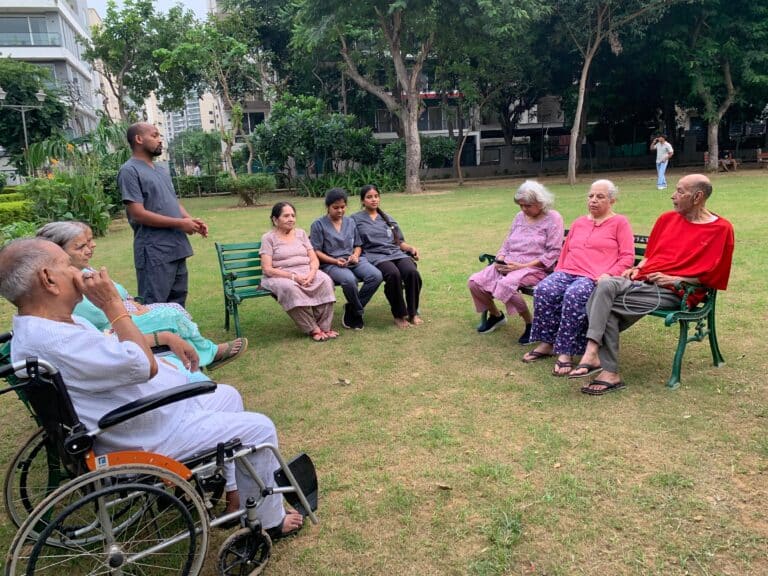
Aggression is a common challenge in dementia care, and it often arises from fear and confusion. Families and caregivers can ease such situations by responding with patience and thoughtful strategies.
Understanding what triggers aggression in your loved one is the first step in managing it. Once you identify the triggers, you can work on minimizing or avoiding them.
Regular meal times, activities, and bedtime can reduce anxiety.
Here are some practical tips:
1. Stay Calm and Reassuring
When a person with dementia exhibits aggression, maintain a gentle tone and relaxed body language. A calm response helps reduce tension and reassures them that they are safe.
2. Identify the Triggers
Aggression often has a cause: pain, hunger, poor lighting, fatigue, or even too much noise. Observe patterns and try to remove or reduce these triggers before they escalate.
3. Offer Simple Choices
Instead of overwhelming them with instructions, provide limited, clear options like “Would you like tea or water?” This gives them a sense of control and reduces frustration.
4. Redirect with Activities
Engage them in something soothing, such as listening to music, folding towels, wiping plates, or taking a short walk. Gentle redirection can shift their focus away from aggression.
5. Ensure Physical Comfort
Check if they are too hot, cold, hungry, or in pain. Meeting basic physical needs quickly can prevent irritability and aggressive behavior.
Caring for someone with dementia requires empathy and patience. By creating a supportive environment and responding thoughtfully, families can manage aggression more effectively and protect both the patient’s dignity and their peace of mind.
6. Effective communication
Speak in a calm, soothing tone, and maintain a relaxed body language. Speak slowly and use short, clear sentences. Show that you are listening and understanding their concerns.
Use nods, eye contact, and gentle touches to convey empathy. Acknowledge their emotions without arguing or dismissing them. Saying things like, “I understand you’re upset,” can help them feel heard.
“WHO publishes detailed guidelines on lifestyle and behavioral interventions to delay or reduce cognitive decline and dementia risk”.
When to Seek Professional Help to manage aggression in dementia patients
Seek professional help when aggression begins suddenly, becomes frequent, causes injury, or makes care unsafe. A doctor should also assess new behaviour accompanied by pain, fever, increased confusion, poor sleep, medication changes, or difficulty eating and drinking.
In such cases, seeking professional help and early diagnosis is crucial. Here are some indicators that it might be time to involve healthcare professionals:
1. Frequent and Severe Aggression:
If aggressive episodes become more frequent or severe, it may indicate that the patient’s condition is worsening or that their needs are not being adequately met.
2. Risk of Harm:
If the patient poses a risk of harm to themselves or others, immediate intervention from healthcare professionals is necessary.
3. Caregiver Burnout:
Caring for a dementia patient can be physically and emotionally draining. If you are experiencing burnout, it’s important to seek support to ensure your well-being and the quality of care you provide.

4. Unresolved Medical Issues:
If you suspect that medical issues, such as infections or medication side effects, are contributing to aggression, consult with a healthcare professional for a thorough evaluation.
Healthcare professionals can offer various interventions to help manage aggression in dementia patients. These may include:
1. Medication: In some cases, medications such as antipsychotics, antidepressants, or mood stabilizers may be prescribed to manage aggression. These should be used under strict medical supervision due to potential side effects.
2. Behavioral Therapy: Behavioral therapy can help identify and modify triggers and responses to aggression. Therapists can work with both the patient and the caregiver to develop coping strategies.
3. Support Groups: Joining a support group for caregivers can provide emotional support, practical advice, and a sense of community.
Sharing experiences with others who understand your challenges can be incredibly helpful.
How Can a Caregiver Stay Calm During Dementia Aggression?
A caregiver can stay calm by pausing before responding, lowering their voice, and reminding themselves that the behaviour reflects distress and not a personal attack. Create physical space, reduce noise, and avoid arguing or making sudden movements. If you feel overwhelmed and the person is safe, step away briefly and ask another caregiver or family member for support.
Quick Ways to Stay Calm During an Aggressive Episode
- 🚨 Prioritise safety: Move away and seek urgent help if anyone is at risk of harm.
- 🧘 Pause before responding: Take a slow breath and avoid reacting impulsively.
- 🗣️ Lower your voice: Speak gently and use short, reassuring sentences.
- ↔️ Create physical space: Step back and avoid crowding or cornering the person.
- 🔇 Reduce stimulation: Lower noise, dim harsh lights, and ask unnecessary people to leave.
- 🚫 Avoid confrontation: Do not argue, correct, threaten, or demand an explanation.
- 💛 Acknowledge their feelings: Say, “I can see that you’re upset,” without challenging their perception.
- 🚪 Take a brief break: Step away when it is safe if you feel overwhelmed.
- 🤝 Ask for support: Let another caregiver or family member take over when needed.
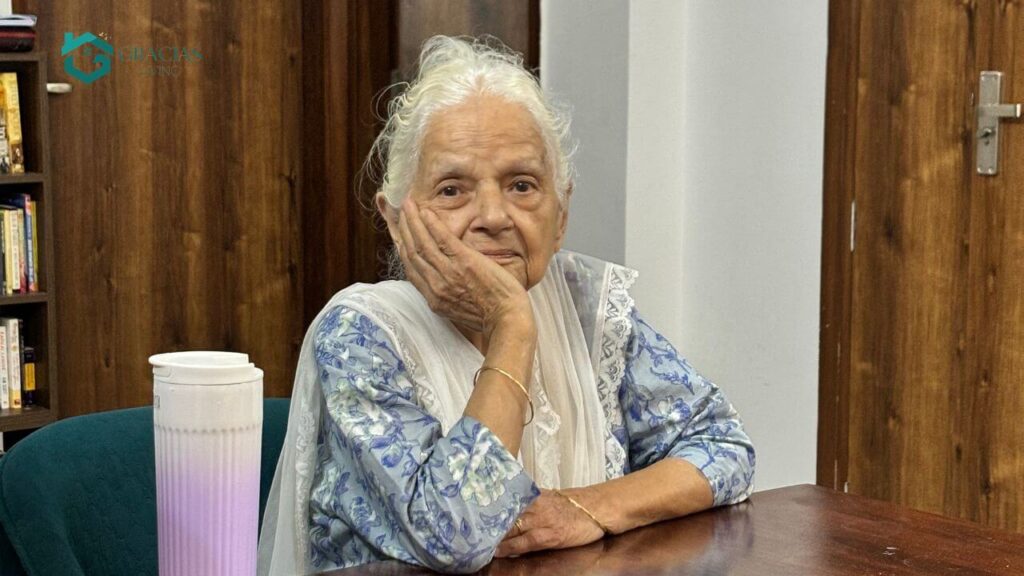
How Gracias Living Supports Seniors with Dementia-Related Aggression
At Gracias Living, we specialize in personalised dementia care for our residents. Our dementia care team first looks beyond the behaviour to understand what the resident wants to communicate. We observe patterns, identify possible triggers and check for unmet needs such as pain, hunger, fatigue, fear or discomfort.
Our approach includes:
- 🧠 Individual behaviour plans based on the resident’s history, abilities, routines and triggers.
- 👩⚕️ 24×7 nursing support to monitor sudden physical or behavioural changes.
- 🏡 Calm, familiar surroundings that reduce confusion and overstimulation.
- 🗣️ Reassuring communication without arguing, rushing or forcing cooperation.
- 🎵 Meaningful redirection through music, walks, familiar tasks and personalised activities.
- 📝 Behaviour tracking to recognise patterns and adapt the care plan.
- 👨👩👧 Family involvement to understand preferences, past routines and sources of comfort.
- 🩺 Medical coordination when behaviour may be linked to pain, infection, medication or another health concern.
At Gracias Living, we walk with you through the dementia journey. Here, your loved one is a part of a Gracias Living family where they feel valued and respected.
Respond to the Distress, Not Just the Behaviour
Dealing with aggression in dementia patients is undoubtedly challenging, but with patience, empathy, and effective strategies, it is possible to manage these behaviors and provide compassionate care.
Caregivers need lots of patience and empathy to manage aggression in dementia patients with greater confidence and compassion.
Remember, you are not alone on this journey. Reach out to healthcare professionals, support groups, and resources available to you.
By taking a proactive and compassionate approach, you can sail through the complexities of dementia care and improve the quality of life for your loved one.
Frequently Asked Questions
1. How to treat aggression in dementia?
2. What are the most common causes of aggression in dementia patients?
3. Why do people with dementia become aggressive?
4. How long does the aggressive stage of dementia last?
5. Can a dementia patient get better?