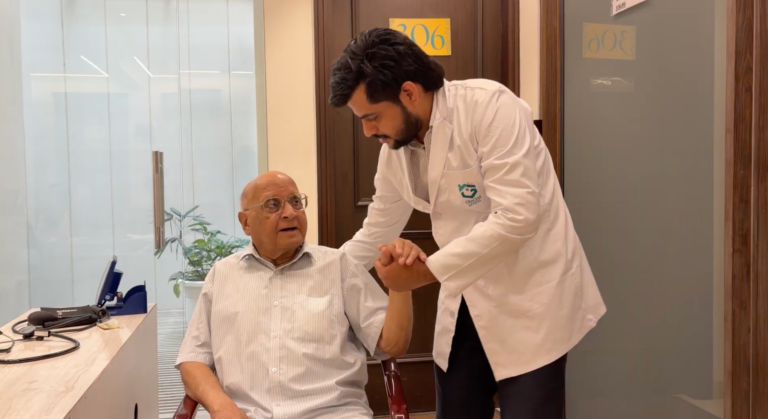

Recognising Dementia Early Can Make a Meaningful Difference
An early diagnosis of dementia gives people and their families time to understand the condition, begin appropriate treatment, plan for the future, and access the right care and support. Acting early helps families make informed decisions with greater confidence.
📅 Last Updated: July 2026
✍️ Written by: Dr. Vishal Siwach
📝 Editorially Updated by: Gracias Living Editorial Team
Why is early diagnosis of dementia important?
Early diagnosis of dementia helps identify memory and thinking changes before symptoms become more severe. It allows people to begin appropriate treatment, plan for the future, access support services, and make informed decisions about their health and care. Acting early can improve quality of life for both the person living with dementia and their family.
At a Glance
| Topic | Key Takeaway |
|---|---|
| Why is early diagnosis important? | It helps people receive timely treatment, support, and future care planning. |
| Who should see a doctor? | Anyone with persistent changes in memory, thinking, or behaviour that affect daily life. |
| How is dementia diagnosed? | Doctors use medical history, cognitive assessments, physical examinations, and tests when needed. |
| Can dementia be cured? | There is no cure, but early diagnosis helps manage symptoms and improve quality of life. |
| What should families do next? | Seek medical advice, learn about the condition, and plan care early. |
Why Does Early Diagnosis Matter?
An early diagnosis cannot stop dementia, but it can change the journey ahead. It gives people and their families more time to understand the condition, begin appropriate treatment, and make informed decisions while the person can still participate in planning.
Quick Summary of the article:
- Early diagnosis of dementia helps people receive timely medical care and support.
- Recognising symptoms early allows families to plan for the future with greater confidence.
- Doctors diagnose dementia through medical history, cognitive assessments, physical examinations, and other tests when required.
- Early treatment, healthy routines, and supportive care can help manage symptoms and maintain quality of life.
- Families play an important role in recognising changes and seeking medical advice without delay.
Dementia is a progressive neurological disorder that affects millions worldwide, with a significant increase in cases among the aging population of India.
Early-stage diagnosis is important for effective management and treatment, providing numerous benefits for patients, families, and healthcare providers.
Can Dementia Be Diagnosed Early?
Yes. Dementia can often be recognised in its early stages, especially when memory or thinking changes are noticed early and evaluated by a healthcare professional. Early diagnosis gives families more time to understand the condition, access support, and plan for the future.
When Should You Consider an Early Dementia Assessment?
Occasional forgetfulness is a normal part of ageing and does not always indicate dementia. The concern begins when memory, thinking, communication, or behaviour changes become frequent, worsen over time, or start affecting everyday life. Recognising these changes early helps families seek medical advice at the right time. Common signs that should not be ignored
- Frequently repeating the same questions or stories.
- Forgetting recent conversations or appointments.
- Getting lost in familiar places.
- Difficulty managing finances or daily tasks.
- Noticeable changes in judgement, mood, or behaviour.
- Trouble finding words or following conversations.
How Is Dementia Diagnosed?
There is no single test that confirms dementia. Doctors diagnose dementia by reviewing a person’s medical history, assessing memory and thinking abilities, performing a physical examination, and ordering additional tests when needed to identify the underlying cause. What to Expect During an Assessment: Doctors may recommend:
- Medical history: Understanding symptoms, overall health, and family history.
- Cognitive assessment: Simple tests to evaluate memory, attention, language, and problem-solving.
- Physical and neurological examination: To rule out other medical conditions.
- Blood tests: To identify vitamin deficiencies, thyroid disorders, or infections that can affect memory.
- Brain imaging: CT or MRI scans may be advised to look for changes in the brain or rule out other causes.
Why Does Early Diagnosis Matter?
An early diagnosis cannot stop dementia, but it gives people and their families more time to understand the condition, begin treatment, plan for the future, and access the right support. Taking action early often leads to better care and improved quality of life.

What Should Families Do After an Early Diagnosis?
Receiving a dementia diagnosis can feel overwhelming, but families do not have to face it alone. Taking small, practical steps early can make daily life more manageable and help maintain independence and quality of life for as long as possible.
Next Steps
- Reach out to family members, caregivers, or support groups for guidance and emotional support.
- Learn about the type of dementia and what to expect.
- Work with your doctor to develop a personalised care plan.
- Encourage physical activity, mental stimulation, and social engagement.
- Create simple daily routines that provide comfort and familiarity.
- Discuss future care preferences while the person can actively participate in decisions.
Benefits of Early Diagnosis Of Dementia
1. Access to Treatment and Management Options
Early diagnosis allows patients to access various treatment and management options that can slow the progression of dementia.
According to a study by the Alzheimer’s Association, early intervention can delay the onset of severe symptoms by 1.5 years and reduce the need for institutional care by up to 30%.
Moreover, a report by the World Health Organization (WHO) emphasizes that early therapeutic interventions, including cognitive stimulation, physical activity, and social engagement, can significantly improve the patient’s overall health and slow disease progression.
2. Improved Quality of Life
Early diagnosis empowers patients and families to make informed decisions about care and lifestyle adjustments.
A study published in the Journal of Alzheimer’s Disease reported that patients diagnosed early experienced a higher quality of life, as they could engage in activities that support cognitive health and receive timely medical interventions.
Additionally, the WHO notes that early diagnosis allows for the implementation of personalized care plans, which can enhance the patient’s daily living and reduce the impact of symptoms on their quality of life.

3. Planning and Support
Early diagnosis provides time for legal and financial planning, considering long-term care options. This proactive approach reduces stress and ensures that the patient’s preferences are honored.
The National Institute on Aging highlights that early planning significantly alleviates the emotional and financial burden on families.
Furthermore, a survey by Alzheimer’s Disease International found that 80% of families felt more prepared and less stressed when they had the opportunity to plan early for their loved one’s care.
4. Better Symptom Management
Managing symptoms effectively is a critical benefit of early diagnosis. Cognitive therapies and memory training can help maintain cognitive function longer.
According to research by the Mayo Clinic, patients who began treatment early showed a 20% slower decline in cognitive abilities compared to those diagnosed later.
Another study in The Lancet reported that early intervention, including pharmacological and non-pharmacological treatments, can significantly reduce the rate of cognitive decline and improve the patient’s daily functioning.
5. Support for Caregivers
Caregivers benefit from early diagnosis as it provides access to support services and educational resources.
The Alzheimer’s Association states that early diagnosis allows caregivers to better prepare for the future and manage their stress and well-being, improving overall care quality.
A study published in the Journal of Clinical Nursing found that caregivers who received early support and training reported lower levels of stress and a higher capacity to provide effective care.

6. Research Participation
According to the National Institutes of Health (NIH), early diagnosis is critical for the development of new treatments, as it allows researchers to study the disease in its early stages and identify potential therapeutic targets.
Patients diagnosed early can participate in clinical trials and research studies, contributing to advancements in dementia research. The involvement in these studies can provide access to cutting-edge treatments that may not be widely available.
Statistical Insights:
The importance of early diagnosis is underscored by various statistical data:
| Aspect | Early Diagnosis | Late Diagnosis |
| Delay in severe symptoms | 1.5 years | 6 months |
| Reduction in institutional care | 30% | 10% |
| Quality of life improvement | 40% | 20% |
| Cognitive decline rate | 20% slower | Normal progression |
Sources: Alzheimer’s Association, Mayo Clinic, WHO, The Lancet
Steps to Achieve Early Diagnosis Of Dementia
1. Awareness and Education
Raising awareness about early signs and symptoms is crucial. Educational campaigns and community programs can help people recognize when to seek medical advice.
According to a survey by the Alzheimer’s Society, 60% of people are unaware of early dementia symptoms, underscoring the need for widespread education.
The Ministry of Health and Family Welfare in India has initiated several awareness programs aimed at educating the public about dementia and the importance of early diagnosis.
2. Regular Health Check-Ups
Encouraging regular health check-ups for older adults can help detect cognitive changes early. Routine screenings for cognitive function should be part of standard healthcare practices.
The American Academy of Neurology recommends annual cognitive screenings for adults over 65.
A study published in the Indian Journal of Psychiatry found that routine cognitive screenings in primary care settings significantly increased the early detection rates of dementia in the elderly population.

3. Utilizing Advanced Diagnostic Tools
Advances in medical technology have improved the accuracy of dementia diagnosis. Brain imaging, genetic testing, and biomarker analysis aid in early detection.
A study in the journal Neurology highlighted that these tools could detect dementia up to 5 years before clinical symptoms appear.
The use of PET scans, MRI, and cerebrospinal fluid analysis are becoming more prevalent in diagnosing dementia at earlier stages .
4. Open Communication with Healthcare Providers
Patients and families should feel comfortable discussing cognitive concerns with healthcare providers.
Open communication leads to early referral to specialists and appropriate diagnostic testing. The Alzheimer’s Foundation of America emphasizes the importance of patient-provider communication in early detection efforts.
Training healthcare providers to recognize early symptoms and engage in open dialogues with patients can significantly improve early diagnosis rates.
Early Action Can Make a Meaningful Difference
An early diagnosis of dementia is not only about identifying a condition. It is about giving people and their families more time to understand what lies ahead, make informed decisions, and access the right treatment and support.
If you notice persistent changes in memory, thinking, behaviour, or daily functioning, do not ignore them or assume they are a normal part of ageing. Speaking to a healthcare professional early can provide clarity, reassurance, and the opportunity to plan with confidence.
By raising awareness and promoting early detection, we can help those affected by dementia lead fuller, more dignified lives. In cities like Gurgaon, initiatives focused on early diagnosis can make a significant impact on the well-being of our aging population and their families.
This article on the importance of early diagnosis in dementia ensures that readers are well-informed and can appreciate the critical benefits of early intervention.
Common Questions About Early Diagnosis of Dementia
What are the benefits of early diagnosis of dementia?
Why is it important for early diagnosis in dementia?
Does an early diagnosis allow access to better treatment options?
Can early detection of dementia slow cognitive decline?