
Quick Summary of the article:
- Dementia care provides specialized medical support to manage memory loss, cognitive decline, behaviour changes, and daily living needs.
- Early diagnosis and timely care improve safety, preserve independence, and enhance quality of life.
- Structured routines, cognitive activities, and clear communication help reduce confusion and anxiety in patients with dementia.
- Engaging activities in dementia care boost the cognitive function and mood of dementia patients.
- Active family involvement, regular health monitoring, proper nutrition, and social engagement support overall well-being.
When a family member is diagnosed with dementia, we start searching for the answers: how to take care of a person with Dementia, what we should do to make them feel better, and whether there is a cure for dementia, why it happened….
We are simplifying the process for you and offering clear insights into the various options, fees, and support systems available.
Dementia care protects safety, preserves dignity, and improves quality of life. Specialized dementia care combines medical expertise, trained caregivers, personalized care plans, and meaningful daily engagement to support changing physical, emotional, and cognitive needs. Every family benefits from understanding the essentials of quality dementia care before making a care decision, including the costs involved.
The right dementia care creates a life filled with dignity, safety, comfort, and peace of mind for both seniors and their families.
With the right information, you can find the best Dementia care option for your loved ones.
How to Choose the Right Dementia Care Home?
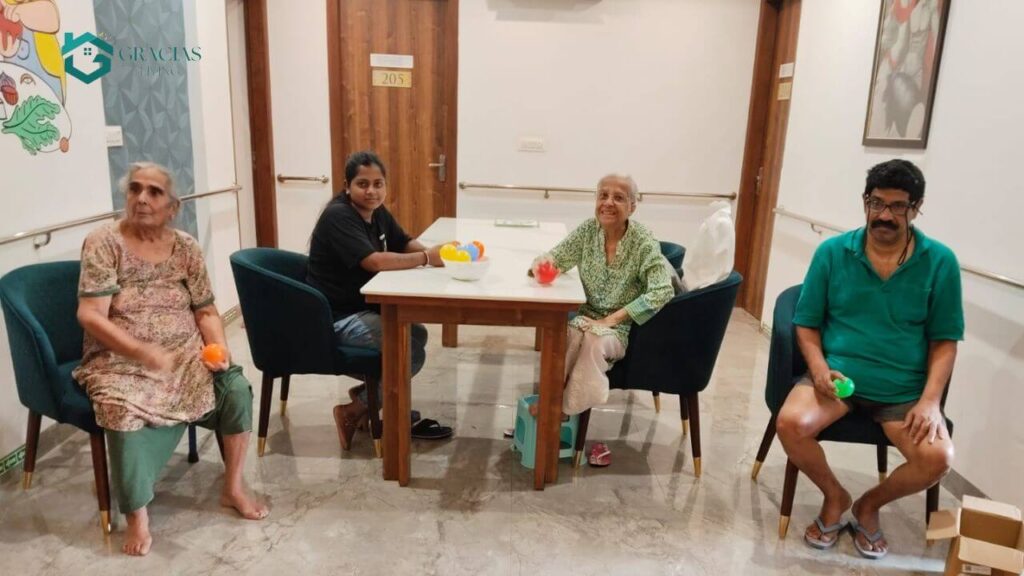
The best place for dementia patients often depends on their specific needs. Assisted living facilities, like Gracias Living, offer specialized care tailored to individuals with dementia.
Choosing the right dementia care home begins with understanding your loved one’s medical, emotional, and daily living needs. Look for trained caregivers, specialized dementia care, personalized care plans, medical supervision, structured routines, meaningful activities, and a safe environment.
Visit the care home, observe how caregivers interact with residents, and choose a place that promotes dignity, comfort, and quality of life.
Another option is memory care units, which are specifically designed for dementia patients having a higher level of security and specialized staff trained in dementia care and necessary support.

What Are the Signs That Professional Dementia Care Is Needed?
Professional dementia care becomes important when memory loss begins to affect safety, health, and daily life. Families should seek specialized support when a loved one wanders, forgets medications, struggles with personal hygiene, becomes socially withdrawn, or shows frequent confusion, aggression, or sleep disturbances. Early professional care improves safety, preserves dignity, reduces caregiver stress, and enhances quality of life through personalized support and structured daily routines.
Early dementia care slows functional decline, prevents avoidable complications, and supports better physical and emotional well-being. Trained caregivers create structured routines, encourage cognitive activities, ensure proper nutrition, manage medications, and provide continuous supervision. Professional dementia care also gives families confidence, guidance, and peace of mind throughout every stage of the condition.
Dementia care can be expensive due to the intensive support required. Here are the key factors contributing to the cost of Dementia Care Home:
- Professional Staffing: Dementia patients require care from highly trained professionals, including nurses, therapists, and aides. The salaries for these skilled workers are a significant part of the cost.
- Specialized Facilities and Services: Memory care units and other specialized facilities are designed to meet the unique needs of dementia patients, offering secure environments and tailored activities, which add to the overall cost.
- Comprehensive Care: Costs cover a wide range of services such as medical care, personal assistance, activities, meals, and housekeeping. This comprehensive support ensures the well-being and safety of the patients.
- Location: Costs can vary significantly based on location.
While the price may seem high, the comprehensive support and peace of mind provided are invaluable. Planning and exploring financial assistance options can help manage these costs.
How Does Professional Dementia Care Improve Quality of Life?
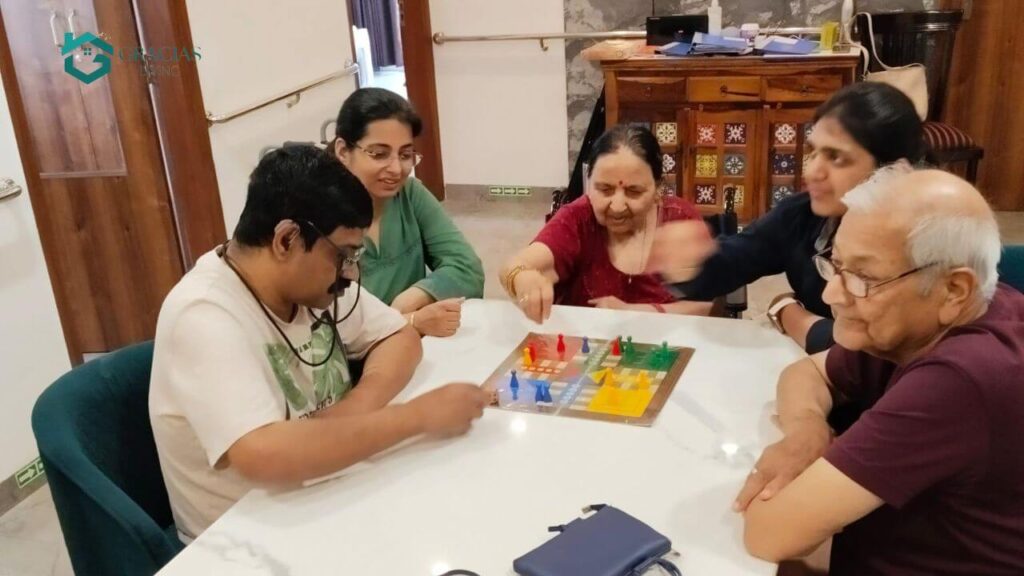
Professional dementia care improves quality of life by providing personalized support, structured daily routines, meaningful activities, medical supervision, and emotional care. A safe and familiar environment reduces anxiety, builds confidence, and helps seniors maintain independence for as long as possible.
Trained caregivers understand the changing needs of people living with dementia and respond with patience, compassion, and expertise. Regular cognitive activities, nutritious meals, medication management, physical exercise, and social interaction help seniors stay active, engaged, and connected every day.
What Type of Care is Best for Dementia Patients?
The best type of care for dementia patients is one that meets their specific needs and provides a supportive, safe environment. Here are some types of care to consider:
- Assisted Living Facilities: Ideal for those who need help with daily activities but do not require intensive medical care. These facilities offer a balance of independence and support.
- Memory Care Units: Specialized facilities designed to provide enhanced security and dementia-specific care. They offer structured activities that focus on cognitive stimulation and maintaining quality of life.
- In-Home Care: Suitable for those who prefer to remain in their homes, provided they have access to professional caregiving services. This option allows for a personalized approach in a familiar setting.
- Adult Day Care: Offers a break for family caregivers and provides social interaction and activities for dementia patients during the day. These centers often provide therapeutic activities and meals.
- Respite Care: Temporary care that provides relief for primary caregivers, ensuring that patients continue to receive quality care while caregivers take a break.
- Hospice and Palliative Care: Focuses on comfort and quality of life for patients in the late stages of dementia. These services address pain management and emotional support, providing a compassionate approach to end-of-life care.
- Continuing Care Retirement Communities (CCRCs): These communities offer a range of care options, from independent living to skilled nursing care, allowing patients to transition as their needs change.
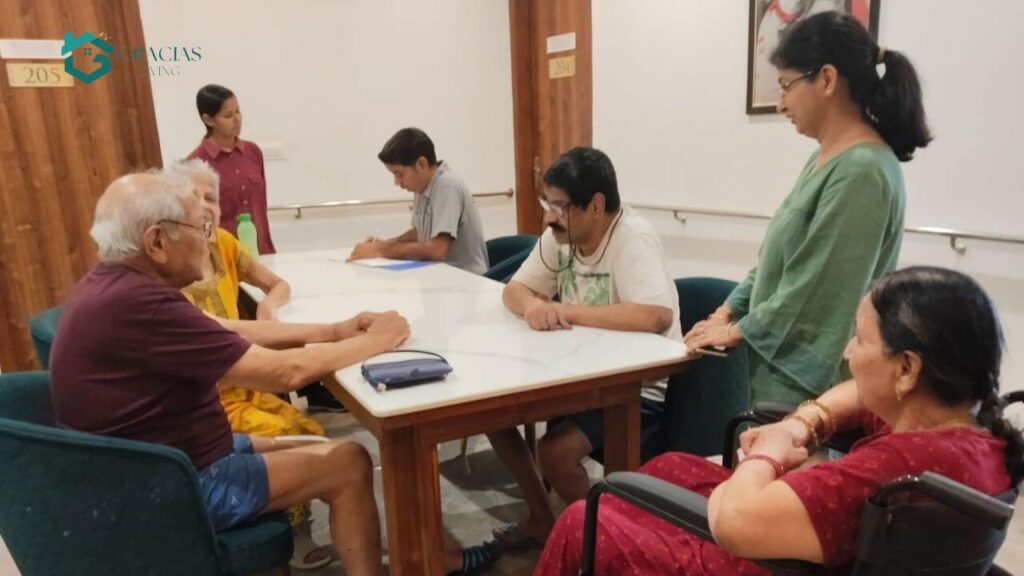
What is the Average Stay in a Care Home with Dementia Patients?
The average stay in a care home for dementia patients can vary widely based on several factors, including the stage of dementia at the time of admission, the individual’s overall health, and the type of care home.
However, some general statistics and considerations include:
- Average Duration: Studies suggest that the average length of stay for dementia patients in care homes ranges from 2 to 4 years. This can be longer or shorter depending on the progression of the disease and the individual’s specific needs.
- Factors Influencing Stay:
- Stage of Dementia: Patients admitted in the early stages of dementia may have a longer stay compared to those admitted in the later stages.
- Health Conditions: Co-existing health conditions, such as heart disease or diabetes, can impact the duration of stay.
- Type of Care Home: Memory care units and specialized dementia care homes often have residents with more advanced dementia, which may affect the length of stay.
- End-of-Life Care: Some dementia care homes provide hospice and palliative care services, allowing residents to remain in the facility until the end of life. This continuity of care can be beneficial for both residents and their families.
- Transitions: In some cases, residents may transition from one type of care home to another as their needs change. For example, a patient might start in an assisted living facility and move to a memory care unit as their dementia progresses.
Understanding these aspects can help families plan for the long-term care needs of their loved ones with dementia, ensuring they receive the appropriate support and services throughout their journey.
Helping Your Parents Live with Dignity
Quality dementia care protects dignity, improves safety, and enhances quality of life. The right care combines medical expertise, trained caregivers, personalized support, meaningful engagement, and a secure environment that helps seniors live with comfort and confidence. Every family deserves clear information and compassionate guidance to make the best care decision. Choosing specialized dementia care creates peace of mind for today and a better quality of life for the future.
At Gracias Living, we are committed to providing compassionate and professional care tailored to each individual, ensuring their safety, comfort, and well-being.
Frequently Asked Questions About Dementia Care
What is dementia care?
Dementia care provides specialized medical support, trained caregivers, personalized care plans, and daily assistance for people living with dementia.
When should a person with dementia move to a care home?
Professional dementia care becomes important when memory loss, safety concerns, behavioural changes, or daily living challenges affect independent living.
What makes specialized dementia care different?
Specialized dementia care includes trained caregivers, structured routines, cognitive activities, medical supervision, and a secure environment designed for people with dementia.
How does dementia care improve quality of life?
Quality dementia care promotes safety, emotional well-being, social engagement, proper nutrition, physical activity, and dignity through personalized support.
What should families look for in a dementia care home?
Families should look for trained staff, personalized care plans, medical support, safety measures, meaningful activities, transparent communication, and a care approach.
Why do families choose Gracias Living for dementia care?
Gracias Living offers specialized dementia care, experienced caregivers, personalized support, engaging daily activities, and a secure environment that helps seniors live with dignity and comfort.