
📝 Editorially Updated: Gracias Living Editorial Team | July 2026
My parent has dementia. How do I choose the best dementia care facility that provides the right care, ensures safety, and offers good value for money?
The best facility for dementia patients provides personalised care, trained dementia caregivers, 24×7 nursing support, a safe and secure environment, medication management, cognitive activities, nutritious meals, and regular medical supervision. Families should consider the checklist to make an informed decision.
Checklist for Choosing the Best Dementia Care Facility
| ✔ | What to Look For |
|---|---|
| ✅ | Trained dementia caregivers |
| ✅ | 24×7 nursing and medical support |
| ✅ | Safe, secure, dementia-friendly environment |
| ✅ | Personalised care plans |
| ✅ | Daily cognitive and recreational activities |
| ✅ | Transparent pricing with no hidden charges |
| ✅ | Regular communication with families |
| ✅ | Emergency medical support |
No two dementia care facilities are the same. Knowing what to look for helps families make an informed and confident decision.
🧠 Did You Know?
Choosing the right dementia care facility early can improve safety, reduce hospital visits, support daily independence, and help families manage caregiving with greater confidence. Dementia care is most effective when it combines medical support, meaningful activities, and a structured daily routine.
Quick Summary of the article:
- Visiting the facility, asking the right questions, and understanding the full cost help families make a confident, informed choice.
- The best dementia care facility provides trained caregivers, 24×7 nursing support, personalised care plans, and a safe, dementia-friendly environment.
- Choose a facility based on the person’s stage of dementia, medical needs, safety requirements, and quality of life.
- Compare caregiver expertise, staff-to-resident ratio, medical support, daily activities, and family communication before making a decision.
- Dementia care costs in India vary based on the level of care, location, room type, and specialised services offered.
Choosing the best facility for dementia patients becomes more important as the condition progresses. Dementia affects memory, thinking, behaviour, and the ability to perform everyday activities. Dementia affects memory, thinking, and a person’s life.
In India, awareness about dementia care is growing. Families now recognize the need for specialized support to handle dementia patients. Dementia care facilities provide a level of care that often becomes difficult to manage at home as care needs increase.
In the early stages, many people with dementia can continue living at home with the right support. Choosing the right care setting is crucial for an aggressive dementia patient’s safety, comfort, and well-being. Here, we answer the most common questions about dementia care facilities, home care duration, living options, and associated costs.

What Facility Is Best for Dementia Patients?
The best facility depends on the stage of dementia and the patient’s needs. Here are the main options:
- Memory Care Units – These centers provide specialized care for dementia patients. Trained staff follow structured routines to maintain stability and prevent confusion. The environment is safe, with security measures to prevent wandering.
- Assisted Living Facilities – Ideal for patients in the early stages of dementia. These facilities help with daily tasks like bathing, dressing, and meals while allowing some independence.
- Nursing Homes – Best for patients in the advanced stages of dementia. They provide 24/7 medical care, including mobility assistance, medication, and nutrition.
- In-Home Care – Many families prefer professional caregivers at home. This option helps patients stay in a familiar setting while receiving personalized care.
- Respite Care – Short-term care that gives family caregivers a break. This service is available at home or in a care facility.
How Long Can a Dementia Patient Live at Home?
A person with dementia can continue living at home as long as it is safe and their care needs can be managed. There is no fixed timeline. Signs That Home Care Is Still Appropriate.
- ✅ Remain medically stable and can attend regular doctor visits.
- ✅ Manage most daily activities with minimal assistance.
- ✅ Recognise family members and familiar surroundings.
- ✅ Do not wander or frequently get lost.
- ✅ Have a reliable family caregiver or professional home caregiver.
When your loved ones need a professional dementia care facility.
- ⚠️ Frequently wanders or tries to leave home.
- ⚠️ Needs help with bathing, dressing, eating, or toileting.
- ⚠️ Becomes aggressive, anxious, or confused most of the day.
- ⚠️ Requires 24×7 supervision or nursing care.
- ⚠️ Has repeated falls, hospital admissions, or complex medical needs.
- ⚠️ Places significant physical or emotional stress on family caregivers.
Key Takeaway
Moving to a dementia care facility is not about giving up on home care. It is about providing the right level of care at the right time. The goal is to keep the person safe, comfortable, engaged, and supported while helping families manage caregiving with confidence.
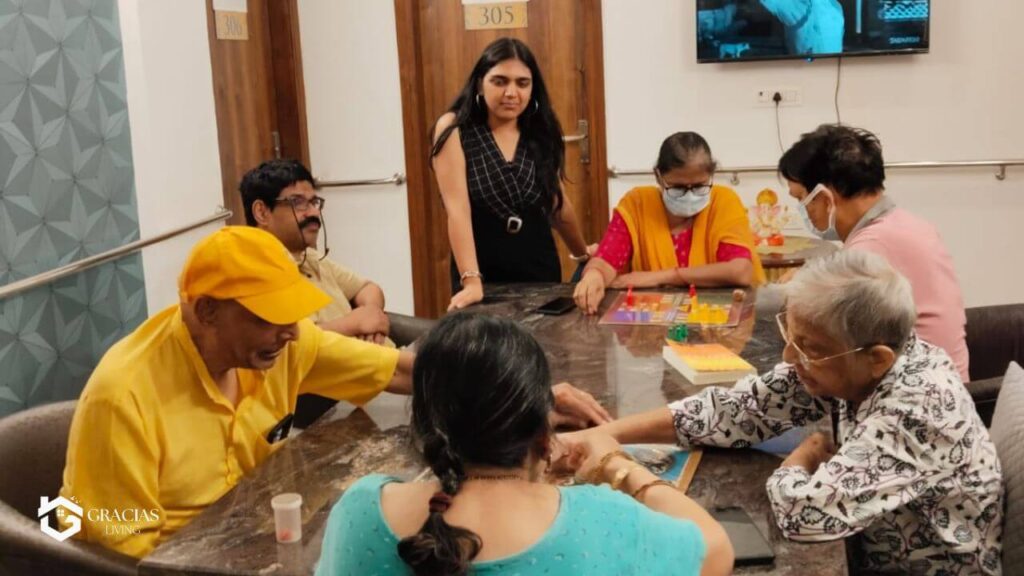
Choosing the Right Dementia Care Facility
Choosing the right dementia facility is about comparing prices and amenities. The right facility provides personalised care, trained dementia caregivers, a safe environment, meaningful daily activities, and ongoing medical support that matches your loved one’s needs.
Visit the facility, meet the care team, ask questions about safety, staffing, daily routines, and emergency care, and involve your family in the decision. A thoughtful choice can improve quality of life, preserve dignity, and give families lasting peace of mind.
✔️ Choosing the Right Dementia Care Facility: Final Checklist
The facility should offer:
- ✅ Trained dementia caregivers and 24×7 nursing support
- ✅ A safe, secure, and dementia-friendly environment
- ✅ Personalised care plans based on individual needs
- ✅ Regular medical supervision and medication management
- ✅ Daily cognitive, physical, and social activities
- ✅ Transparent pricing with no hidden costs
- ✅ Regular communication and updates for family members
- ✅ Nutritious meals and assistance with daily living
- ✅ Emergency response and hospital support
- ✅ Compassionate care that promotes dignity, comfort, and quality of life
Final Thought: Choose a dementia care facility where your loved one feels safe, respected, engaged, and genuinely cared for every day. The right environment can make a meaningful difference to their quality of life and give your family greater confidence and peace of mind.

What Is the Cost of Dementia Care?
The cost of dementia care varies widely based on location, care level, and facility type:
- Home Care: ₹50,000 – ₹75,000 per month (depending on caregiving hours and services required)
- Assisted Living: ₹1,25,000 – ₹1,60,000 per month (higher in memory care units)
- Nursing Homes: ₹2,50,000 – ₹5,00,000 per month (for 24/7 medical care)
- Memory Care Facilities: ₹1,80,000 – ₹2,50,000 per month (specialized dementia care)
Average Cost of Dementia Care in India
| Care Option | Best For | Average Monthly Cost |
|---|---|---|
| Home Care | Early-stage dementia or part-time support | ₹50,000–₹75,000 |
| Assisted Living | Seniors who need daily support and supervision | ₹1,25,000–₹1,60,000 |
| Memory Care Facility | Moderate to advanced dementia requiring specialised care | ₹1,80,000–₹2,50,000 |
| Nursing Home | Complex medical needs and 24×7 nursing care | ₹2,50,000–₹5,00,000+ |
These costs are estimates and may vary based on the city, level of dementia, room type, nursing requirements, medical care, rehabilitation services, and additional support provided by the facility.
Families should explore long-term dementia care plans to manage costs.
💡Did You Know?
The lowest monthly cost is not always the best value. A dementia care facility with trained caregivers, personalised care plans, meaningful daily activities, and strong medical support can improve quality of life and may help reduce avoidable hospital visits and caregiver stress.
Afterthoughts
Dementia is a condition that affects memory, thinking, and daily activities. It happens when brain cells are damaged, making it hard for a person to remember things, solve problems, or communicate clearly.
Alzheimer’s disease is the most common cause, but other types, like vascular dementia and Lewy body dementia, also exist.
Symptoms usually start with mild forgetfulness and confusion but can progress to difficulty recognizing loved ones, mood changes, and trouble completing everyday tasks.
There is no cure for dementia, but treatment can help slow its progress. Doctors may prescribe medications to improve memory and reduce symptoms.
A healthy lifestyle, including a balanced diet, regular exercise, and mental activities, can help manage the condition. Additional support through therapies for dementia patients also plays an important role in improving well-being. Caregivers have a crucial role in the support and well-being of dementia patients. As dementia progresses, professional care in a supportive environment becomes essential to maintaining a good quality of life.
Frequently Asked Questions
1. What is the best facility for dementia patients?
The best facility for dementia patients provides trained dementia caregivers, 24×7 nursing support, personalised care plans, a safe and secure environment, meaningful daily activities, and regular medical supervision.
2. How much does a dementia care facility cost in India?
The cost of a dementia care facility in India typically ranges from ₹1,25,000 to ₹2,50,000 or more per month, depending on the level of care, room type, location, nursing support, and specialised dementia services.
3. What services does a dementia care facility provide?
Most dementia care facilities assist with daily living, medication management, 24×7 nursing support, personalised care plans, nutritious meals, cognitive stimulation, recreational activities, housekeeping, emergency medical support, and regular communication with families.
4. Can a person with dementia continue living at home?
Yes. Many people with early-stage dementia can live at home with family support or professional caregivers. As dementia progresses and safety or medical needs increase, a specialised dementia care facility may become the safer and more appropriate option.
5. What should families ask before choosing a dementia care facility?
Families should ask about caregiver training, staffing levels, medical supervision, emergency response, medication management, daily routines, nutrition, therapy programmes, safety measures, family communication, and the total monthly cost.
6. Is assisted living suitable for people with dementia?
Assisted living may be suitable for people with early-stage dementia who need help with daily activities but remain relatively independent. People with moderate or advanced dementia often benefit more from a specialised dementia or memory care facility that provides higher levels of supervision and support.