
Dementia Care Home in Gurgaon
Gracias Living provides personalised dementia care in Gurgaon with 24/7 nursing, trained caregivers, clinical oversight and structured daily support in a safe, homelike environment.
Discuss Your Parent’s CareDementia Care Experience at a Glance
Gracias Living provides personalised dementia care in Gurgaon with 24/7 nursing, trained caregivers, clinical oversight and structured daily routines. Care is adapted to each resident’s health, abilities, behaviour, routines and personal preferences, with meaningful activities and ongoing family communication to support safety, comfort, dignity and quality of life.
Daily support is adapted to each resident’s health, abilities, routines, behaviour and personal preferences.
Adjustment varies according to the person’s stage of dementia, health, previous routines and individual care needs.
This gives our team extensive everyday experience in supporting residents across different stages and care needs.
*The 70% figure reflects the current resident composition at Gracias Living and may change over time. Individual care experiences and outcomes vary.
A Family’s Experience with Dementia Care
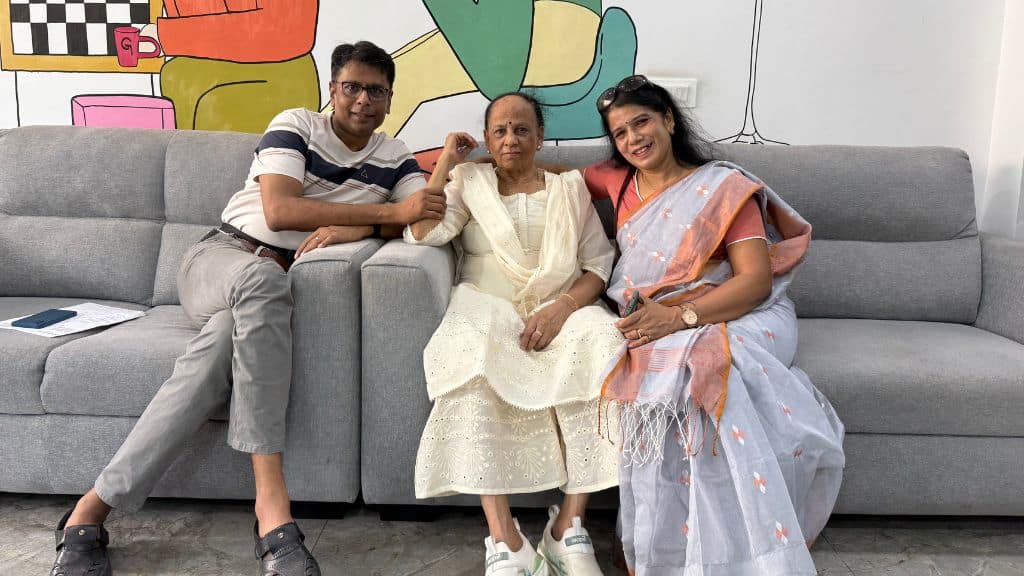
One family shared how familiar routines, meaningful engagement and consistent support helped their father feel more comfortable and connected after settling into Gracias Living.
Before Gracias Living
After Settling into Gracias Living
He felt so content and loved that he did not want to leave. We finally saw him smile again.— Mona Khanna, Daughter
Individual experiences vary. Dementia care outcomes depend on the person’s condition, stage of dementia, health and individual care needs.
I observed residents receiving compassionate care, structured support and meaningful engagement in a warm environment. Consistent support encouraged greater comfort, participation and engagement in everyday life.
Dr Kritika Joshi
A Day at Gracias Living
Residents follow a comfortable daily rhythm that combines personal care, nutritious meals, movement, meaningful activities, relaxation and social connection.
Bed Tea
A peaceful start with bed tea and enough time to wake up comfortably.
Breakfast
A wholesome breakfast prepared around individual dietary needs.
Personal Care
Assistance with bathing, dressing, grooming and getting ready.
Morning Mobility
Guided movement supports flexibility, balance and confidence.
Lunch
Residents enjoy a nutritious lunch in a comfortable dining setting.
Afternoon Rest
Quiet time allows residents to sleep, relax and regain energy.
Tea and Snacks
Residents gather for tea, nutritious snacks and conversation.
Meaningful Activities
Music, games and creative sessions encourage active participation.
Puja and Aarti
Residents may join daily prayers in a peaceful, familiar setting.
Conversation
Time for friendly conversations, family calls or quiet relaxation.
Dinner
A comforting dinner is served with assistance wherever required.
Bedtime
Personal-care and medication support help residents settle safely.
Understanding Dementia and Changing Care Needs
Dementia affects more than memory. It can gradually change communication, behaviour, judgement and the ability to manage everyday activities.

Care at Home or Specialised Dementia Care?
Home care may remain suitable while your parent is safe and their support needs are manageable. Specialised dementia care may become more appropriate when they need continuous supervision, trained assistance or a more structured environment.
Continuing Care at Home
Dementia Care at Gracias Living
Clinical Oversight for Dementia Care
Dr Chitra Anand leads the medical oversight of residents living with dementia at Gracias Living. Her approach focuses on individual needs, ongoing clinical review and clear communication with families.
Her medical oversight supports:
Transparent Dementia Care Pricing
Monthly options based on your loved one’s assessed support needs.
Final pricing is confirmed after an individual assessment. Additional services or dedicated attendant support may involve separate charges.
Dementia Care at Gracias Living
Practical Dementia Care Resources
Everything you need to understand dementia, recognise the right type of support, and make confident care decisions for your family.
Understanding Dementia
Types of Dementia
Managing Day to Day
Family and Care Decisions
Let’s Understand the Care Your Parent Needs
Speak with the Gracias Living team about your parent’s health, behaviour, daily-care needs and current challenges. We will help you understand the available support and whether specialised dementia care may be appropriate.
 Speak to Our Dementia Care Team!
Frequently Asked Questions
Ans: Dementia describes a group of symptoms that affect memory, thinking, communication, behaviour and the ability to perform everyday activities. It is caused by diseases or injuries that damage the brain and is not a normal part of ageing.
Ans: There is currently no cure for most types of dementia. However, medication, physical activity, cognitive stimulation, structured routines and appropriate care can help manage symptoms and improve quality of life.
Ans: Early signs may include forgetting recent events, repeating questions, misplacing belongings, getting confused in familiar places, struggling to find words, and finding everyday tasks more difficult. Changes in mood, behaviour or personality may also occur.
Ans: No. Dementia is a broad term for symptoms that affect memory and thinking. Alzheimer’s disease is the most common cause of dementia. Other types include vascular dementia, Lewy body dementia, and frontotemporal dementia.
Ans: Professional dementia care may be needed when a person frequently wanders, experiences falls, misses medication, struggles with personal care, becomes unsafe at home, or requires continuous supervision. Caregiver exhaustion is also an important sign that additional support may be necessary.
Ans: Age is the strongest known risk factor, but dementia is not an inevitable part of ageing. Other risk factors may include family history, stroke, high blood pressure, diabetes, smoking, physical inactivity, hearing loss and social isolation. Managing overall health and following an active, socially connected lifestyle may help reduce the risk of cognitive decline.
Ans: A doctor diagnoses dementia by reviewing symptoms and medical history and assessing memory, thinking, behaviour and daily functioning. Blood tests and brain imaging, such as an MRI or CT scan, may also be recommended to identify or rule out other causes.
Ans: Dementia generally progresses over time, but its speed and symptoms vary from person to person. As the condition advances, a person may need increasing support with medication, mobility, communication, eating and personal care.
Ans: Support is available through professional caregiving facilities like Gracias Living, respite care for short breaks, caregiver support groups, and counselling to manage the emotional demands of caregiving. Many families also benefit from connecting with a geriatric care specialist who can guide decisions as needs change over time
Ans: Gracias Living provides specialised dementia care in Gurgaon with 24/7 nursing support, trained caregivers, medication management, personalised care plans, structured routines and meaningful activities in a secure, homelike environment.