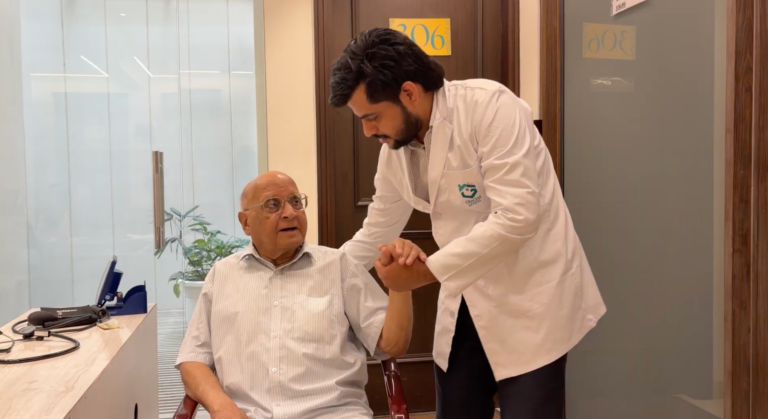

Dementia is a group of conditions that affect memory, thinking, behaviour, and daily life. Alzheimer’s disease is the most common type of dementia. While there is no cure for most types of dementia, early diagnosis, treatment, and specialised dementia care can help manage symptoms and improve quality of life.
Quick Facts:
| Fact | Details |
|---|---|
| What is dementia? | A group of conditions that affect memory, thinking, and daily life. |
| Most common type | Alzheimer’s disease. |
| Who is affected? | Mostly older adults, but younger people can also develop dementia. |
| Can it be cured? | No. However, treatment and care can help manage symptoms. |
| Can it be treated? | Yes. Medicines, therapies, daily routines, and specialised dementia care can improve quality of life. |
| When is professional care needed? | When memory loss, confusion, or behaviour changes begin to affect daily life or safety. |
What is dementia?
Dementia is not a single disease. It is a group of conditions that affect memory, thinking, language, behaviour, and the ability to carry out everyday activities. Alzheimer’s disease is the most common type of dementia, but there are several other types as well.
Dementia mainly affects older adults, although it can also develop at a younger age in some people. The pace of change differs from person to person, and symptoms usually become more noticeable over time. They may gradually affect a person’s independence.
An early diagnosis can help identify the cause, start treatment, manage symptoms, and plan the right care. In the early stages, your parent may experience memory lapses, mood swings, or confusion. These subtle symptoms may seem manageable, but they can affect day-to-day tasks.

How Is Dementia Different from Normal Ageing?
| Normal Ageing | Dementia |
|---|---|
| Occasionally forgetting names | Frequently forgetting important information |
| Misplacing keys sometimes | Putting things in unusual places and being unable to find them |
| Taking longer to remember | Forgetting familiar people or places |
| Remaining independent | Needing help with daily activities |
Occasional forgetfulness is a normal part of ageing. Dementia is different because the symptoms become more frequent, more severe, and begin to affect everyday life and independence.
What Are the Early Signs of Dementia?
Dementia often develops slowly, and the early signs can be easy to miss. Family members are usually the first to notice small changes in memory, thinking, or behaviour. Common early signs of dementia include:
- Memory loss that affects daily life
- Asking the same questions repeatedly
- Difficulty finding the right words
- Confusion about time or place
- Misplacing things and being unable to find them
- Poor judgement or decision-making
- Changes in mood, personality, or behaviour
- Difficulty planning or completing familiar tasks
- Losing interest in hobbies or social activities
These symptoms do not always mean a person has dementia. However, if they become frequent or begin to affect daily life, it is important to consult a healthcare professional for an assessment.
What Causes Dementia?
Dementia is caused by damage to brain cells. This damage affects memory, thinking, behaviour, and the ability to carry out everyday activities. Different diseases and conditions can damage the brain in different ways, leading to different types of dementia.
The most common types of dementia include:
Alzheimer’s disease
It is the most common type of dementia. It usually starts with memory loss and gradually affects thinking, communication, and daily life.
Vascular dementia
Caused by reduced blood flow to the brain, often after a stroke or due to damaged blood vessels.
Lewy body dementia
Causes changes in thinking, movement, sleep, and sometimes visual hallucinations.
Frontotemporal dementia (FTD)
Usually affects behaviour, personality, language, and decision-making before memory problems appear.
Mixed dementia
Some people have more than one type of dementia, most commonly Alzheimer’s disease and vascular dementia together.
Ageing is the biggest risk factor for dementia, but dementia is not a normal part of growing older. Conditions such as high blood pressure, diabetes, heart disease, smoking, and previous brain injury may also increase the risk.
How Does Dementia Progress?
The progression of dementia is different for everyone. Some people experience changes slowly over several years, while others may decline more quickly. Regular medical care and the right support can help improve comfort and quality of life at every stage.
Early Stage of Dementia
- Mild memory loss
- Difficulty finding words
- Forgetting appointments
- Still able to live independently with some support
Middle Stage of Dementia
- Increased confusion
- Difficulty recognising familiar people or places
- Help needed with dressing, bathing, and meals
- Changes in behaviour and mood
Late Stage of Dementia
- Severe memory loss
- Limited communication
- Difficulty eating or walking
- Full-time care is usually needed
If you notice symptoms of dementia, consult a healthcare professional. Doctors diagnose dementia through medical history, cognitive tests, physical examination, and, when needed, brain imaging and blood tests.
How to Care for a Person with Dementia?
There is no single way to care for a person with dementia. The right care depends on their needs and the stage of the disease. Simple routines, a safe environment, and patient support can make everyday life easier for both the person with dementia and their caregiver.
Create a Safe Home
- Remove fall hazards.
- Keep rooms well lit.
- Label important areas if needed.
Follow a Daily Routine
- Keep meal, medicine, and sleep times consistent.
- A routine can reduce confusion and anxiety.
Communicate Clearly
- Use short, simple sentences.
- Speak calmly.
- Give the person enough time to respond.
Encourage Physical and Mental Activities
- Walking
- Music
- Simple games
- Reading
- Family conversations
Support Healthy Eating
- Balanced meals
- Plenty of fluids
- Help if eating becomes difficult
Help with Medicines
- Use a medicine organiser.
- Give medicines on time.
- Follow the doctor’s advice.
Take Care of Yourself
Join a caregiver support group if needed. Ask for help wherever required.
Every person with dementia has different needs. With patience, the right support, and a safe environment, many people can continue to live with comfort and dignity. As the condition progresses, families may need additional support to meet changing care needs.
When Should Families Consider Professional Dementia Care?
Many people with dementia can continue living at home with family support in the early stages. However, as the condition progresses, daily care may become more difficult. Professional dementia care can provide the right support, improve safety, and enhance quality of life for both the person with dementia and their family. Signs it may be time to consider professional dementia care
1. Daily Activities Become Difficult
The person needs regular help with bathing, dressing, eating, using the toilet, or moving around safely.
2. Safety Becomes a Concern
They wander, forget to switch off appliances, leave home alone, or are at risk of falls and injuries.
3. Medicines Are Missed
They forget to take medicines, take the wrong dose, or find it difficult to manage their treatment.
4. Behaviour Changes Become Difficult to Manage
Confusion, anxiety, aggression, wandering, or disturbed sleep become more frequent and difficult for the family to handle.
5. Family Caregivers Feel Overwhelmed
Providing care becomes physically or emotionally exhausting, making it difficult to balance work, family, and personal health.
6. Medical Needs Increase
The person requires regular medical monitoring, therapy, or specialised dementia care that is difficult to provide at home.

Living Well with Dementia
A diagnosis of dementia does not mean a person can no longer enjoy life. With the right care, healthy habits, and support, many people with dementia can remain active, connected, and engaged in everyday activities. Small changes in daily life can make a big difference to their comfort, confidence, and well-being.
Stay Physically Active
Regular walks, light exercise, and physiotherapy can help maintain strength, balance, and mobility.
Eat a Healthy Diet
A balanced diet and enough fluids support overall health and help prevent dehydration and poor nutrition.
Keep the Mind Active
Reading, puzzles, music, art, and memory activities can help keep the mind engaged.
Stay Socially Connected
Spending time with family, friends, and support groups can reduce loneliness and improve emotional well-being.
Follow a Daily Routine
A routine can reduce confusion and help people with dementia feel more secure.
Many people with dementia continue to enjoy meaningful moments with the right care and support. Small daily routines, healthy habits, and staying connected with others can make a positive difference to their quality of life.
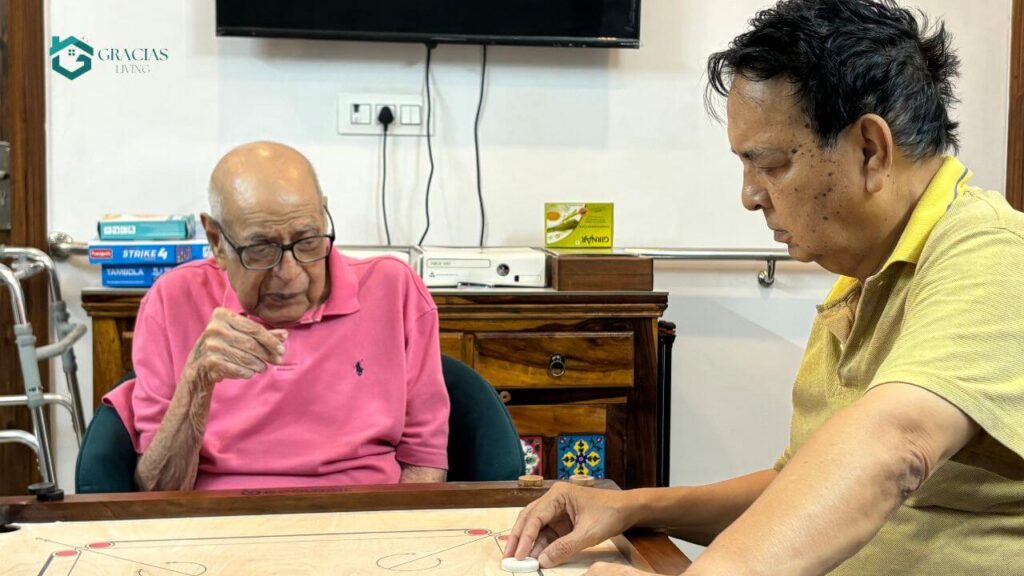
What Are the Signs Dementia Is Getting Worse?
- Increased Memory Loss: Forgetting names, places, or recent events more frequently.
- Difficulty with Daily Tasks: Struggling with basic activities such as dressing, eating, or personal hygiene.
- Behavioral Changes: Increased agitation, anxiety, or depression. They may also become more withdrawn or exhibit aggressive behavior.
- Disorientation: Confusion about time, place, or even familiar people.
- Language Difficulties: Trouble finding the right words or following conversations.
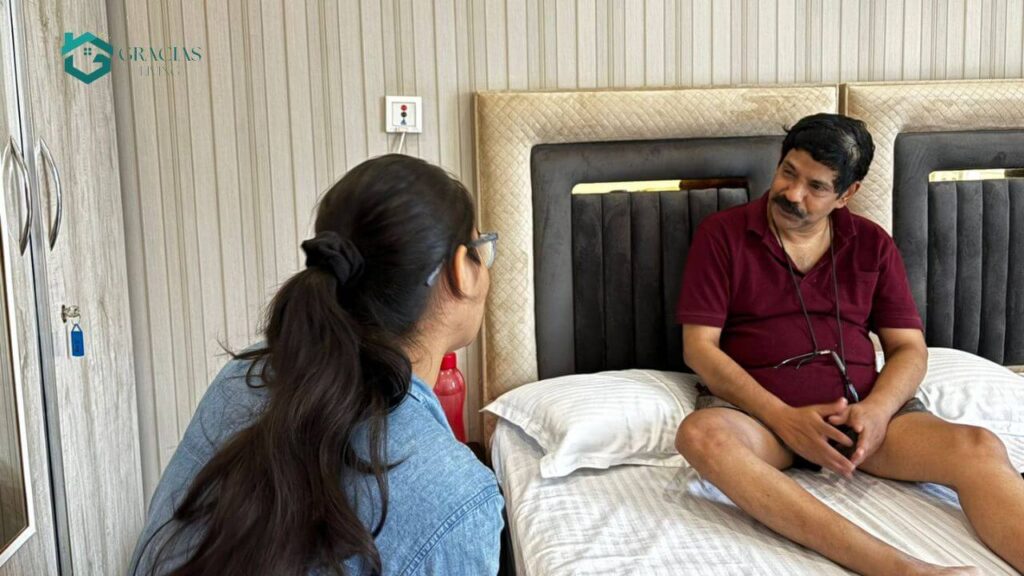
What is the longest stage of dementia?
The longest stage of dementia is typically the middle stage, also known as moderate dementia. During this stage, the symptoms become more pronounced and disruptive to daily life.
Individuals may experience significant memory loss, confusion, and difficulty with routine tasks. They often require increasing levels of assistance with daily activities and may struggle to recognize people and places.
This stage can last for several years, varying from person to person, and marks a period where both the individual and caregivers face substantial challenges in managing the condition.
Moderate-stage dementia symptoms include significant cognitive impairment and mood swings, which impact daily functioning and emotional stability.
In contrast, severe or late-stage dementia (stages 6 and 7) is marked by profound cognitive decline and a complete loss of physical abilities. During these final stages, individuals may struggle with basic bodily functions and require comprehensive, hands-on care.

How to Settle a Dementia Patient at Night:
- Establish a Bedtime Routine: Consistency can help signal to their brain that it’s time to wind down. Include calming activities like reading or listening to soft music.
- Create a Relaxing Environment: Ensure the bedroom is comfortable and free from distractions. Soft lighting and a familiar blanket or pillow can provide comfort.
- Limit Stimulants: Avoid caffeine and heavy meals in the evening. Encourage a light snack if they’re hungry before bed.
- Address Their Needs: If they wake up disoriented or anxious, reassure them calmly. Sometimes, a gentle touch or a few comforting words can make a big difference.
- Consider Professional Help: If nighttime disturbances persist, consult a healthcare professional. They can provide strategies or recommend medications to improve sleep.
Dementia Care at Gracias Living
Choosing the right dementia care centre is an important decision. Families look for a place where their loved one feels safe, respected, and well cared for every day. At Gracias Living, we provide personalised dementia care in a warm, home-like environment, helping residents live with dignity, comfort, and purpose.
Why Families Trust Us
1. Specialised Dementia Care tailored to each resident’s needs.
2. Trained and Caring Team with experience in dementia and memory care.
3. Personalised Care Plans based on health, routine, and preferences.
4. Safe and Secure Environment designed for comfort and peace of mind.
5. Meaningful Daily Activities that encourage social interaction and cognitive engagement.
6. 24×7 Care and Medical Support whenever residents need assistance
Every person with dementia deserves compassionate care, respect, and the opportunity to enjoy a meaningful life. At Gracias Living, we work closely with families to provide the support, comfort, and specialised care their loved ones need at every stage of the journey.
Talk to Our Dementia Care Experts
If you are looking for dementia care for a parent or loved one, our team is here to help. Visit Gracias Living, speak with our care experts, and learn how we can support your family with compassionate, personalised dementia care.
Moving Forward with Dementia
A diagnosis of dementia brings many changes, but it does not mean life comes to a stop. Although there is no cure for most types of dementia, treatment, daily support, and specialised care can help manage symptoms and improve quality of life. Caring for a parent with dementia demands flexibility and dedication. It also demands adapting to their changing needs while maintaining a supportive and compassionate approach. Building a network of support from healthcare professionals and community services helps.
Frequently Asked Questions About Dementia Care
What is dementia?
Dementia is a group of conditions that affect memory, thinking, behaviour, and the ability to carry out everyday activities. Alzheimer’s disease is the most common type of dementia.
Is dementia a normal part of ageing?
No. Dementia is not a normal part of ageing. While occasional forgetfulness can happen with age, dementia causes changes that affect daily life and independence.
What are the early signs of dementia?
Early signs include memory loss, confusion, repeating the same questions, difficulty finding words, poor judgement, changes in behaviour, and problems completing familiar tasks.
What causes dementia?
Dementia is caused by damage to brain cells. Different diseases, such as Alzheimer’s disease, vascular dementia, Lewy body dementia, and frontotemporal dementia, can cause dementia.
What is the most common type of dementia?
Alzheimer’s disease is the most common type of dementia, accounting for most dementia cases worldwide.
Can dementia be cured?
There is no cure for most types of dementia. However, treatment, daily support, and specialised dementia care can help manage symptoms and improve quality of life.
Can dementia be treated?
Yes. Medicines, cognitive activities, healthy habits, and supportive care can help manage symptoms and maintain independence for as long as possible.
How does dementia progress?
Dementia usually gets worse over time. The symptoms and rate of progression vary from person to person.
Can people with dementia live independently?
Many people can live independently during the early stages with some support. As dementia progresses, they may need increasing help with daily activities.
How can families care for a person with dementia?
Families can help by following a daily routine, creating a safe environment, communicating patiently, encouraging activities, providing healthy meals, and ensuring medicines are taken on time.
What activities are good for people with dementia?
Walking, music, puzzles, reading, gardening, art, and social activities can help keep the mind active and improve emotional well-being.
What foods are good for people with dementia?
A balanced diet with fruits, vegetables, whole grains, lean protein, healthy fats, and enough fluids supports overall health and well-being.
How can caregivers reduce stress?
Take regular breaks, ask family members for help, join caregiver support groups, and seek professional support when needed.
When should I see a doctor for dementia symptoms?
If memory loss, confusion, or changes in behaviour begin to affect daily life, consult a healthcare professional as soon as possible.
How is dementia different from Alzheimer’s disease?
Dementia is a general term for a group of symptoms. Alzheimer’s disease is the most common cause of dementia.
What should I look for in a dementia care centre?
Look for trained caregivers, personalised care plans, a safe environment, meaningful activities, medical support, and regular communication with families.
How can a safe environment help a person with dementia?
A safe environment reduces the risk of falls, wandering, injuries, and confusion, helping the person feel more comfortable and secure.
Can exercise help people with dementia?
Yes. Regular physical activity can improve strength, balance, mood, sleep, and overall well-being.
How can Gracias Living support people with dementia?
Gracias Living provides specialised dementia care, personalised care plans, trained caregivers, a safe environment, meaningful daily activities, and 24×7 care to support residents and their families.
Why do families choose Gracias Living for dementia care?
Families choose Gracias Living because of our caretaking team, personalised approach, secure environment, engaging activities, and commitment to helping people with dementia in all stages and aspects of life.