
📝 Editorially Updated: July 2026 by the Gracias Living Editorial Team
My loved one has started behaving very differently. Could it be Frontotemporal Dementia, and how is it different from Alzheimer’s disease?
Frontotemporal dementia (FTD) is a group of brain disorders that primarily affects behaviour, personality, language, and decision-making. Unlike Alzheimer’s disease, memory loss is often not the first symptom. Many people with FTD develop noticeable changes in behaviour, communication, or social interactions before memory problems appear. Although there is no cure, an early diagnosis, personalised treatment, and specialised dementia care can help manage symptoms and improve quality of life.
💡 Did You Know?
Frontotemporal dementia is often mistaken for depression, stress, burnout, or a psychiatric illness because the first signs are usually changes in personality, behaviour, or communication rather than memory loss. Recognising these early changes can help families seek the right diagnosis sooner.
📋 Frontotemporal Dementia at a Glance
| Feature | Frontotemporal Dementia (FTD) |
|---|---|
| Mainly Affects | Behaviour, personality, language, and decision-making |
| Common Age at Diagnosis | Usually between 45 and 65 years |
| Early Symptoms | Personality changes, poor judgement, inappropriate behaviour, or language difficulties |
| Memory Loss | Usually develops later than in Alzheimer’s disease |
| Treatment | Symptom management, speech therapy, behavioural support, and personalised dementia care |
| Progression | Gradually worsens over time |
📊 Frontotemporal Dementia Facts
| Fact | Information |
|---|---|
| Age of Onset | FTD is one of the most common causes of dementia in people under 65 years of age. |
| Early Changes | Behaviour and language changes often appear before significant memory loss. |
| Types | The main forms include behavioural variant FTD and primary progressive aphasia (PPA). |
| Family History | Around 30–40% of people with FTD have a family history of the condition. |
Source: Association for Frontotemporal Degeneration (AFTD)
Quick Summary of the article:
- Speech therapy, behavioural support, and personalised dementia care can improve quality of life.
- Frontotemporal dementia mainly affects behaviour, personality, and language.
- Memory loss is often not the first symptom.
- FTD commonly develops between 45 and 65 years of age.
- Early diagnosis helps families plan treatment and long-term care.
Cause: Frontotemporal dementia (FTD) is caused by progressive degeneration of the brain’s frontal and temporal lobes. These lobes are vital for various cognitive functions, including behavior, personality, and language. The degeneration is often due to the buildup of abnormal proteins, such as tau or TDP-43, which disrupt the normal functioning of brain cells.
Frontotemporal dementia is a less well-known but significant form of dementia affecting a growing number of individuals in India.
🧠 What Do the Frontal and Temporal Lobe Control?
| Brain Area | Main Function | How FTD Can Affect It |
|---|---|---|
| Frontal Lobe | Behaviour, judgement, decision-making, emotions | Impulsive behaviour, poor judgement, personality changes, loss of empathy |
| Temporal Lobe | Language, communication, understanding words | Difficulty speaking, finding words, understanding conversations, recognising familiar people or objects |
Detailed statistics on FTD prevalence in India are scarce.
FTD is often underdiagnosed due to low awareness among the general public and even some healthcare professionals, leading to a lack of accurate prevalence data.
Recognizing the early signs of Frontotemporal Dementia (FTD) is crucial for timely intervention.
An early diagnosis of dementia enables individuals and families to access appropriate support, plan for the future, and manage symptoms more effectively.

Why Is Frontotemporal Dementia (FTD) Often Misdiagnosed?
Frontotemporal dementia (FTD) is often misdiagnosed because its early symptoms usually involve changes in behaviour, personality, or language rather than memory loss. People are initially diagnosed with depression, anxiety, bipolar disorder, or another psychiatric condition. Few are simply thought to be experiencing stress, burnout, or a mid-life personality change. As a result, the correct diagnosis may be delayed for months or even years.
Why Does Misdiagnosis Happen?
In the early stages, people with FTD may still remember appointments, recognise family members, and manage everyday conversations. However, they often begin behaving in ways that seem unusual or completely out of character.
Families may notice that their loved one:
- Shows little empathy or concern for others.
- Makes inappropriate comments in social situations.
- Acts impulsively or takes unnecessary risks.
- Loses interest in work, hobbies, or family activities.
- Repeats the same behaviours or routines.
- Struggles to find the right words or communicate clearly.
Because memory remains relatively preserved at first, dementia is often not the first diagnosis doctors or families consider.
Conditions Commonly Mistaken for Frontotemporal Dementia
| Condition | Why It Can Be Confused with FTD |
|---|---|
| Depression | Withdrawal, loss of interest, and emotional changes can look similar. |
| Anxiety Disorders | Behavioural changes may be mistaken for stress or anxiety. |
| Bipolar Disorder | Impulsive behaviour and poor judgement can resemble manic episodes. |
| Obsessive-Compulsive Disorder (OCD) | Repetitive behaviours and rigid routines may appear similar. |
| Midlife Stress or Burnout | Personality and behavioural changes are sometimes attributed to work or family pressures. |
When Should Families Seek a Neurological Evaluation?
Consider consulting a neurologist if personality or language changes:
- Continue to worsen over time.
- Affect work, relationships, or daily life.
- Occur alongside difficulty planning or making decisions.
- Cannot be explained by another medical or psychiatric condition.
- Appear together with a family history of dementia.
💡 Did You Know?
The average delay in diagnosing Frontotemporal Dementia is often 2–4 years because early symptoms resemble psychiatric or behavioural disorders rather than dementia. Early assessment by a neurologist can help families receive the right diagnosis and begin appropriate care sooner.
Source: The Association for Frontotemporal Degeneration (AFTD)
Frontotemporal Dementia: Prevalence and Awareness
| Aspect | Details |
| General Prevalence | Approximately 4.1 million people in India are affected by dementia, including FTD. |
| Specific FTD Prevalence | Exact prevalence data for FTD is scarce and likely underreported. |
| Awareness Levels | This is increasing due to efforts by NGOs, healthcare institutions, and awareness campaigns. |
| Educational Programs | Initiatives to educate healthcare professionals and the public about FTD are gaining traction. |
Frontotemporal Dementia’s Effects on the Brain
1. Frontal and Temporal Lobe Damage:
- Frontal Lobes: The frontal lobes are responsible for executive functions, which include decision-making, planning, emotional regulation, and social behavior. They help us control our impulses and behave appropriately in social situations.
- Temporal Lobes: The temporal lobes play a key role in language processing and memory. They are essential for understanding and producing language and recognizing familiar faces and objects.
2. Behavioral Changes:
- Personality Alterations: One of the most striking effects of Frontotemporal Dementia is the significant personality change. Individuals may become uncharacteristically disinhibited, exhibiting socially inappropriate or out-of-character aggression. For example, they might make inappropriate comments or behave rudely without realizing it.
- Impulsivity: There may be a noticeable loss of inhibition, leading to impulsive actions. This could manifest as inappropriate jokes, sudden decisions without considering consequences, or risky behaviors.
- Apathy: Apathy, or a lack of interest in activities and social interactions, is common. Individuals might seem emotionally flat and disengaged from things they used to enjoy.
- Social Behavior Issues: Those with Frontotemporal Dementia may struggle with empathy and understanding social norms. They might exhibit repetitive behaviors, such as clapping or repeating certain phrases, and may not adhere to social rules, making interactions with others challenging.
3. Language Difficulties:
- Aphasia: Frontotemporal Dementia can lead to aphasia, a language disorder that affects speech and comprehension. This can manifest as difficulty finding the right words, constructing sentences, or understanding spoken and written language.
- Non-Fluent Progressive Aphasia: Individuals with frontotemporal Dementia may speak in short, grammatically incorrect sentences and have trouble articulating their thoughts. Speech can become effortful and halting.
- Semantic Variant: Another subtype involves difficulty with word meaning, where individuals may not recognize or understand the meaning of words. This can lead to challenges in comprehension and communication. For example, they might struggle to name common objects or understand what others are saying.
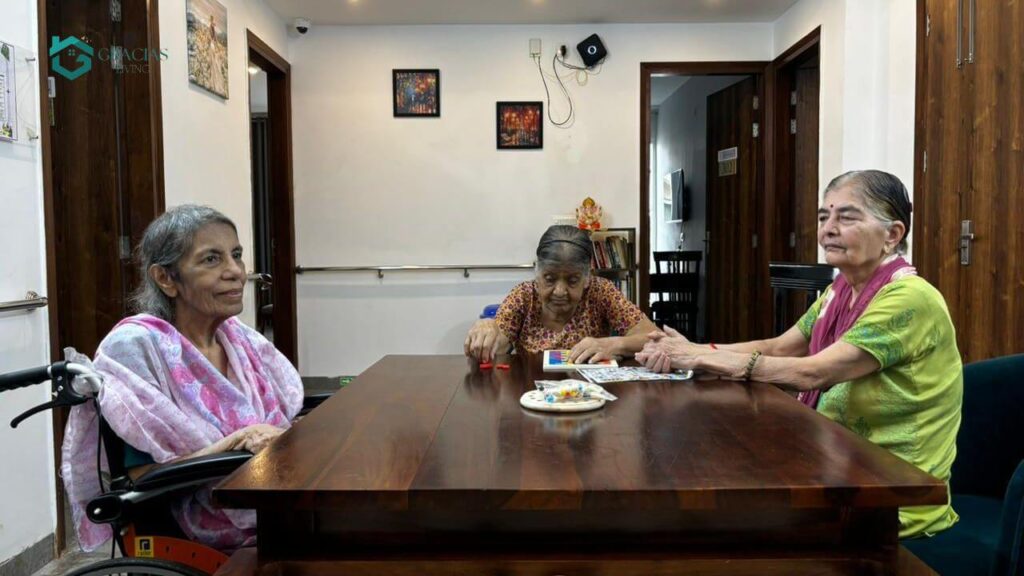
Diet plan for a person with Frontotemporal Dementia
Creating a diet plan for a person with Frontotemporal Dementia involves focusing on balanced nutrition, ease of eating, and maintaining overall health.
1. General Principles:
- Balanced Diet: Ensure the diet includes a variety of fruits, vegetables, whole grains, lean proteins, and healthy fats.
- Hydration: Encourage regular fluid intake to prevent dehydration.
- Ease of Eating: Prepare foods that are easy to chew and swallow, and consider finger foods if the person has difficulty using utensils.
- Regular Meals: Serve meals at regular times to establish a routine and reduce confusion.
2. Foods to Include:
- Fruits and Vegetables: Fresh, frozen, or canned (without added sugar or salt) to provide essential vitamins and minerals.
- Whole Grains: Oats, quinoa, brown rice, and whole grain bread for fiber and sustained energy.
- Lean Proteins: Chicken, fish, eggs, beans, and legumes to support muscle health.
- Healthy Fats: Avocados, nuts, seeds, and olive oil for brain health.
- Dairy or Alternatives: Milk, yogurt, and cheese or dairy alternatives like almond or soy milk for calcium and vitamin D.

3. Foods to Avoid:
- High-Sugar Foods: Limit sugary snacks and beverages.
- High-Sodium Foods: Reduce intake of salty foods to manage blood pressure.
- Processed Foods: Avoid highly processed foods with artificial additives and preservatives.
- Hard or Crunchy Foods: If there are swallowing difficulties, avoid hard-to-chew foods that pose a choking risk.
Sample Diet for Frontotemporal Dementia
| Meal | Food Items |
| Breakfast | Whole grains, oatmeal with berries and nuts, scrambled eggs, smoothie with yogurt and spinach. |
| Mid-Morning Snack | Greek yogurt with honey and almonds, soft fruit (banana, peach, melon slices). |
| Lunch | Grilled chicken salad with mixed greens and avocado, whole grain bread with hummus. |
| Afternoon Snack | Cheese and whole grain crackers, vegetable sticks with hummus. |
| Dinner | Steamed vegetables, quinoa or brown rice, mixed bean salad. |
| Evening Snack | Fruit and nut mix, herbal tea (chamomile or peppermint). |
Additional Supplements:
- Multivitamin: Consider a multivitamin supplement to ensure all nutrient needs are met, especially if the person has a limited diet.
- Omega-3 Fatty Acids: Found in fish oil supplements, they may support brain health.
Consult with a dietitian or healthcare provider to tailor the diet plan to the individual’s specific needs and preferences, ensuring all nutritional requirements are met.
Precautions to ensure the safety of Individuals having Frontotemporal Dementia
Caring for a person with Frontotemporal Dementia involves taking various precautions to ensure their safety, well-being, and comfort.
Ensure the living environment is free from tripping hazards, such as loose rugs and clutter. Use grab bars in bathrooms, handrails on stairs, and non-slip mats in areas prone to getting wet.
Implementing these precautions can help manage the symptoms of FTD, ensure the safety and well-being of the person with dementia, and support caregivers in providing the best possible care.
Here are some essential precautions to consider:
1. Safety Precautions
| Aspect | Details |
|---|---|
| Home Environment | Remove tripping hazards, secure dangerous items, and install safety devices. |
| Wandering Prevention | Secure exits, ensure the person carries identification, and provide supervision. |
| Driving | Regularly assess driving ability, and arrange alternative transportation if necessary. |
2. Health and Behavioral Management
| Aspect | Details |
| Regular Check-ups | Routine visits to healthcare providers keep vaccinations up to date. |
| Medication Management | Ensure adherence, use pill organizers, and regularly review medications with a healthcare provider. |
| Nutrition and Hydration | Provide a balanced diet, and encourage regular fluid intake. |
| Behavioral Strategies | Use positive reinforcement, maintain a calm environment, and create a structured routine. |

Memory games for frontotemporal dementia patients
Memory games for frontotemporal dementia patients can be highly beneficial in stimulating cognitive functions and providing mental engagement.
Suitable games include matching cards to enhance memory recall and attention, word searches to improve focus and pattern recognition, and simple picture puzzles to boost problem-solving skills and visual memory.
Trivia questions stimulate general knowledge and recall, while sequence sorting promotes logical thinking. Using daily routine cards helps reinforce structure and routine tasks, and “Name That Tune” engages auditory memory.
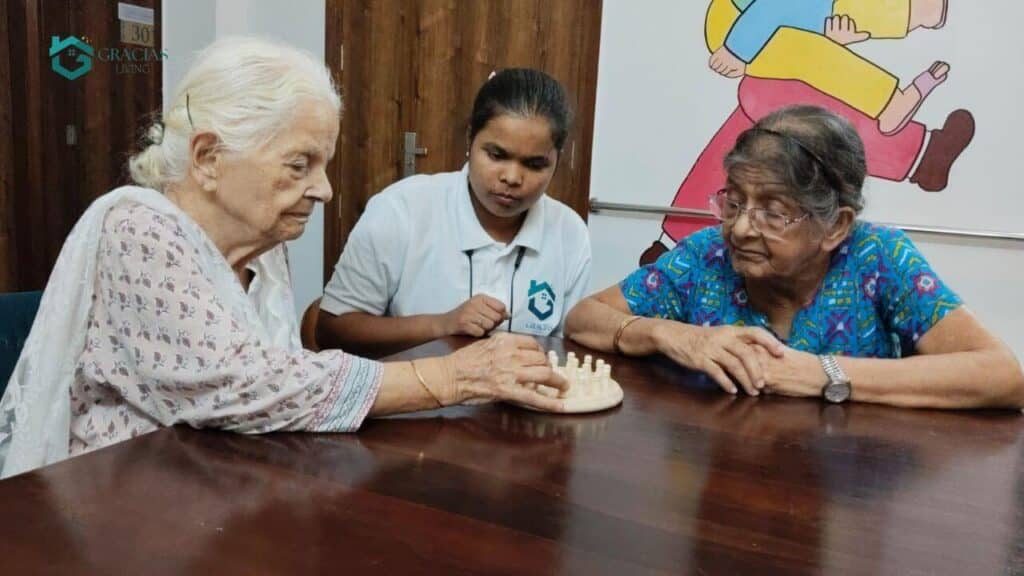
Photo flashcards encourage personal memory recall and conversation, sorting games enhance categorization skills, and storytelling prompts boost creativity and verbal expression.
The table below provides a few memory games that are of cognitive benefit to frontotemporal dementia patients.
| Game | Description | Benefit |
| Matching Cards | Match pairs of cards with identical images | Enhances memory recall and attention |
| Word Search | Find and circle hidden words in a grid of letters | Improves focus and pattern recognition |
| Picture Puzzles | Assemble jigsaw puzzles with simple, large pieces | Boosts problem-solving skills and visual memory |
| Trivia Questions | Answer simple trivia questions about familiar topics | Stimulates general knowledge and recall |
| Sequence Sorting | Arrange cards or objects in a specific order (e.g., events, numbers) | Promotes logical thinking and sequencing skills |
| Daily Routine Cards | Match cards depicting daily activities to their correct time slots | Reinforces daily structure and memory of routine tasks |
| Name That Tune | Listen to short clips of familiar songs and identify them | Engages auditory memory and recognition |
| Photo Flashcards | Show photos of family members or familiar places and discuss them | Encourages personal memory recall and conversation |
| Sorting Games | Sort objects or cards by category, color, or size | Enhances categorization and sorting skills |
| Storytelling Prompts | Use prompts to create and share short stories or memories | Boosts creativity and verbal expression |
Conclusion
Gracias Living is dedicated to providing exceptional care and support for all our residents, including those with frontotemporal dementia.
We create a safe, engaging, and nurturing environment. Our caregivers offer a variety of activities like memory games, art sessions, and social events to keep minds active and spirits high.
We focus on personalized care plans to ensure that the physical, emotional, and mental well-being of residents is taken care of. At Gracias Living, we believe in building the Senior community, making it a true home where residents feel valued, supported, and connected, and maintaining their dignity and respect.
Our compassionate approach ensures that our Seniors receive the best possible care, enhancing their happiness and quality of life.
Frequently Asked Questions about Frontotemporal Dementia
1. What is Frontotemporal Dementia (FTD)?
Frontotemporal dementia (FTD) is a group of progressive brain disorders that damage the frontal and temporal lobes of the brain. It mainly affects behaviour, personality, language, judgement, and decision-making. Unlike Alzheimer’s disease, memory loss is often not the first symptom.
2. What are the early signs of Frontotemporal Dementia?
Early signs of FTD include personality changes, loss of empathy, poor judgement, socially inappropriate behaviour, difficulty speaking or finding words, repetitive actions, and changes in eating habits. Memory often remains relatively intact during the early stages.
3. How is Frontotemporal Dementia different from Alzheimer’s disease?
Frontotemporal dementia usually begins with changes in behaviour or language, while Alzheimer’s disease typically starts with memory loss. FTD also tends to affect younger adults, often between 45 and 65 years of age.
4. What causes Frontotemporal Dementia?
The exact cause is not always known. FTD develops when nerve cells in the frontal and temporal lobes become damaged. In some people, inherited gene mutations increase the risk, while others develop the condition without a family history.
5. Can Frontotemporal Dementia be cured?
No. There is currently no cure for Frontotemporal Dementia. However, medicines, speech therapy, occupational therapy, behavioural support, and specialised dementia care can help manage symptoms.
6. How long can a person live with Frontotemporal Dementia?
Life expectancy varies depending on the type of FTD, age, and overall health. Many people live 7 to 13 years after symptoms begin, although some may live longer or shorter.
Source: Association for Frontotemporal Degeneration (AFTD) – https://www.theaftd.org/what-is-ftd/
Disclaimer: Life expectancy is an average based on published clinical studies. Every person experiences Frontotemporal Dementia differently. Consult a neurologist for information specific to your loved one’s condition.
7. Is Frontotemporal Dementia hereditary?
Approximately 30–40% of people with Frontotemporal Dementia have a family history of the disease. Certain inherited gene mutations can increase the risk, but many people develop FTD without any known genetic cause.
8. How is Frontotemporal Dementia diagnosed?
Doctors diagnose FTD by reviewing symptoms, performing neurological and cognitive assessments, ordering brain imaging such as MRI or PET scans, and ruling out other medical or psychiatric conditions. There is no single test that confirms the diagnosis.
9. When should a person with Frontotemporal Dementia move to a care facility?
Professional dementia care may become necessary when the person develops severe behavioural changes, requires help with daily activities, becomes unsafe at home, or when caregiving becomes physically or emotionally overwhelming for the family.
10. How can families support someone with Frontotemporal Dementia?
Families can support a loved one by maintaining a predictable daily routine, communicating calmly, avoiding confrontation, encouraging meaningful activities, attending regular medical appointments, and seeking professional dementia care when additional support is needed.
11. Why is Frontotemporal Dementia often mistaken for depression or a mental health condition?
Frontotemporal Dementia often changes behaviour, personality, emotions, and communication before memory problems appear. As a result, many people are initially diagnosed with depression, anxiety, bipolar disorder, or another psychiatric condition. A neurological evaluation helps identify the correct diagnosis and ensures appropriate treatment and care.