
Dementia: Beyond Memory Loss.
Dementia beyond memory loss. It can affect thinking, behaviour, communication, emotions, and everyday life. Understanding the condition early helps families recognise the signs, explore treatment and care options, and provide the right support at every stage of the journey.
Understanding Today. Caring Better Tomorrow.
📖 21-minute read
📅 Last Updated: July 2026
✍️ Written by: Meenakshi Dawar
👨⚕️ Expert Reviewed by: Dr. Vishal Siwach
Dementia is a group of conditions that affect memory, thinking, behaviour, communication, and the ability to perform everyday activities. It is caused by diseases that damage brain cells and is not a normal part of ageing. Although there is no cure for most types of dementia, early diagnosis, appropriate treatment, and personalised care can help manage symptoms, maintain independence for longer, and improve quality of life.
💡 Did You Know?
Many people assume dementia only affects memory. In reality, changes in judgement, communication, behaviour, and personality may appear before significant memory loss.
Myth vs Reality
| Myth | Reality |
|---|---|
| It is just memory loss. | Dementia can also affect thinking, communication, behaviour, judgement, and daily functioning. |
| It is a normal part of ageing. | Dementia is caused by diseases that damage brain cells. It is not a normal part of growing older. |
| Everyone with dementia has Alzheimer’s disease. | Alzheimer’s disease is the most common cause, but there are several other types of dementia. |
| Nothing can be done after a diagnosis. | While there is no cure for most types of dementia, treatment, lifestyle changes, and supportive care can help manage symptoms and improve quality of life. |
| People with dementia cannot enjoy life. | Many people continue to enjoy meaningful relationships, hobbies, and everyday moments with the right care and support. |
Takeaway
Understanding the factshelps families recognise symptoms early, seek appropriate care, and provide better support throughout the journey.
At Glance:
| Topic | Key Takeaway |
|---|---|
| What is dementia? | A group of conditions that affect memory, thinking, behaviour, communication, and daily life. |
| Is dementia part of normal ageing? | No. It is a medical condition caused by diseases that damage brain cells. |
| What causes dementia? | Alzheimer’s disease is the most common cause, but vascular dementia, Lewy body dementia, and frontotemporal dementia are also common. |
| Can it be treated? | There is no cure for most types of dementia, but medicines, therapies, and supportive care can help manage symptoms. |
| When should families seek medical advice? | If memory or thinking changes begin to affect daily life, consult a healthcare professional promptly. |
| Can people with dementia live well? | Yes. Early diagnosis, personalised care, structured routines, and family support can help improve quality of life. |
- It is a medical condition that affects memory, thinking, behaviour, communication, and everyday functioning.
- It is caused by diseases affecting the brain and is not a normal part of ageing.
- Alzheimer’s disease is the most common type of dementia, but several other types also exist.
- Early diagnosis allows families to plan treatment, care, and long-term support.
- While it cannot usually be cured, personalised care and supportive therapies can help people live well for longer.
- Families, caregivers, and healthcare professionals all play an important role in improving quality of life.
What Is Dementia?
Dementia is a group of conditions that affect memory, thinking, behaviour, communication, and the ability to perform everyday activities. It develops when diseases damage brain cells, making it harder for people to live independently over time.
It is not a single disease. Dementia is a general term for a group of conditions that affect how the brain functions. These conditions can interfere with memory, reasoning, language, judgement, and behaviour.
The symptoms usually develop gradually and become more noticeable over time. While memory loss is a common symptom, many people also experience changes in communication, problem-solving, mood, and the ability to perform everyday tasks.
It is not a normal part of ageing. Although the risk increases with age, it is caused by diseases that damage brain cells. Early diagnosis helps families understand the condition, plan appropriate care, and access treatment and support sooner.
Key Insight
Dementia affects each person differently. The symptoms, rate of progression, and level of support required depend on the type of dementia and the individual.
What Causes Dementia?
Dementia is caused by diseases that damage brain cells and affect how the brain functions. Alzheimer’s disease is the most common cause, but vascular dementia, Lewy body dementia, and frontotemporal dementia are also common. The type of dementia determines how symptoms develop and progress.
Different diseases affect different parts of the brain. As brain cells become damaged, they lose the ability to communicate with one another. Over time, this affects memory, thinking, behaviour, language, and the ability to perform daily activities.
Common Causes of Dementia
| Cause | How It Affects the Brain |
|---|---|
| Alzheimer’s Disease | Causes gradual damage to brain cells and is the most common cause of dementia. |
| Vascular Dementia | Develops after reduced blood flow to the brain, often following a stroke or multiple small strokes. |
| Lewy Body Dementia | Affects movement, thinking, sleep, and visual perception due to abnormal protein deposits in the brain. |
| Frontotemporal Dementia (FTD) | Primarily affects behaviour, personality, language, and decision-making. |
| Mixed Dementia | Occurs when a person has more than one type of dementia, most commonly Alzheimer’s disease and vascular dementia. |
Understanding the cause of dementia helps doctors recommend the most appropriate treatment, care plan, and long-term support for each individual.
What Are the Early Signs and Symptoms of Dementia?
Early signs of dementia often include memory loss, difficulty finding words, confusion, poor judgement, changes in mood or behaviour, and trouble performing familiar daily tasks. These symptoms usually develop gradually and become more noticeable over time. Early evaluation helps identify the cause and allows families to plan appropriate care and support.
The signs can vary from person to person. Some people first experience memory problems, while others notice changes in communication, behaviour, or decision-making. These symptoms usually develop slowly and may become more noticeable over months or years.
Occasional forgetfulness is common with ageing. However, when changes begin to affect everyday life, relationships, or the ability to manage routine tasks, it is important to seek medical advice.
Recognising the early signs allows families to begin treatment, plan for the future, and provide the right support at the right time.

Common Early Signs and Symptoms of Dementia
| Sign or Symptom | What You May Notice |
|---|---|
| Memory Loss | Forgetting recent conversations, appointments, or important events more often than usual. |
| Difficulty Finding Words | Struggling to follow conversations or express thoughts clearly. |
| Confusion About Time or Place | Losing track of dates, seasons, or familiar locations. |
| Poor Judgement | Making unusual financial decisions or showing reduced awareness of safety. |
| Difficulty Performing Familiar Tasks | Finding it hard to cook, manage medicines, or complete everyday activities. |
| Changes in Mood or Behaviour | Increased anxiety, irritability, withdrawal, or personality changes. |
| Misplacing Items Frequently | Placing belongings in unusual locations and being unable to retrace steps. |
| Loss of Interest in Activities | Withdrawing from hobbies, social events, or activities once enjoyed. |
🚨 When Should Families Seek Medical Advice?
Do not ignore persistent changes in memory, thinking, or behaviour. Schedule a medical evaluation if these symptoms begin to interfere with daily life or become more frequent over time. Early diagnosis can help identify the cause, rule out other medical conditions, and provide access to appropriate treatment and support.
Key Insight
Memory loss is often the first symptom people notice, but dementia can also affect communication, judgement, behaviour, emotions, and the ability to carry out everyday activities.

Dementia or Normal Ageing: How Can You Tell the Difference?
Occasional forgetfulness is a normal part of ageing. Dementia is different because it gradually affects memory, thinking, communication, judgement, and the ability to perform everyday activities. When these changes begin to interfere with daily life, it is important to seek a medical evaluation.
Many families wonder whether memory changes are simply a part of growing older or an early sign of dementia. While ageing may slow down recall or make someone occasionally forget names or appointments, dementia causes progressive changes that affect daily life and independence.
Understanding the difference helps families seek medical advice at the right time and avoid delaying diagnosis or treatment.
Normal Ageing vs Dementia
| Normal Ageing | Dementia |
|---|---|
| Occasionally forgets names or appointments but remembers them later. | Frequently forgets recent conversations, important events, or familiar people. |
| Sometimes struggles to find the right word. | Has ongoing difficulty speaking, understanding, or following conversations. |
| May misplace items occasionally. | Regularly places items in unusual places and cannot retrace steps. |
| Makes occasional mistakes with finances or household tasks. | Has increasing difficulty managing money, medicines, or everyday responsibilities. |
| Remains independent in daily activities. | Gradually needs help with routine tasks such as cooking, dressing, or personal care. |
| Mood and personality remain largely unchanged. | Shows noticeable changes in mood, behaviour, judgement, or personality. |
When Should You Consult a Doctor?
Seek a medical evaluation if memory, thinking, or behaviour changes:
- Become more frequent over time.
- Affect work, home, or social life.
- Make it difficult to perform familiar daily tasks.
- Cause confusion about time, place, or people.
- Are noticed by family members or close friends.
Early evaluation can identify the cause of these changes and help families access the right treatment, support, and care.
Key Insight
Growing older may bring occasional forgetfulness. Dementia goes beyond memory and gradually affects a person’s ability to think, communicate, make decisions, and live independently.
How Is Dementia Diagnosed?
There is no single test to diagnosis. Doctors diagnose it by reviewing a person’s medical history, symptoms, physical and neurological health, memory and thinking abilities, and, when needed, blood tests and brain imaging. Early diagnosis helps families access treatment, plan future care, and receive the right support.
Doctors may recommend the following assessments:
| Assessment | Why It Is Done |
|---|---|
| Medical History | Reviews symptoms, overall health, medications, and family history. |
| Physical & Neurological Examination | Checks balance, coordination, reflexes, vision, hearing, and nervous system function. |
| Memory & Thinking Tests | Evaluates memory, attention, language, problem-solving, and decision-making abilities. |
| Blood Tests | Rules out conditions such as vitamin deficiencies, thyroid disorders, or infections that may cause similar symptoms. |
| Brain Imaging (MRI or CT Scan) | Looks for changes in the brain and helps identify possible causes such as stroke, tumours, or brain shrinkage. |
| Specialist Assessment | A neurologist, psychiatrist, or geriatrician may conduct further evaluation when needed. |
Key Insight
Early diagnosis does not change the diagnosis itself, but it can change the journey. It gives families more time to understand the condition, begin treatment, plan future care, and make informed decisions together.
The Different Types of Dementia
Dementia is not a single disease. It is a group of conditions caused by different diseases that affect the brain. Alzheimer’s disease is the most common type, followed by vascular dementia, Lewy body dementia, frontotemporal dementia, and mixed dementia. Each type affects the brain differently and may cause different symptoms.
Not everyone experiences it in the same way. The symptoms, progression, and treatment plan often depend on the type of dementia a person has. Understanding the different types helps families know what to expect and supports better care planning.
The most common types of dementia include:
At a Glance
| Type | What It Is | Common Symptoms |
|---|---|---|
| Alzheimer’s Disease | The most common type of dementia, caused by changes in brain cells over time. | Memory loss, confusion, difficulty finding words, and changes in thinking. |
| Vascular Dementia | Caused by reduced blood flow to the brain, often after a stroke or multiple small strokes. | Slower thinking, poor concentration, difficulty planning, and problems with balance or movement. |
| Lewy Body Dementia | Caused by abnormal protein deposits in the brain. | Fluctuating attention, visual hallucinations, movement problems, sleep disturbances, and memory changes. |
| Frontotemporal Dementia (FTD) | Affects the frontal and temporal areas of the brain responsible for behaviour, personality, and language. | Personality changes, impulsive behaviour, difficulty speaking, and reduced social awareness. |
| Mixed Dementia | A combination of two or more types of dementia, most commonly Alzheimer’s disease and vascular dementia. | A mix of symptoms depending on the conditions affecting the brain. |
Key Takeaway
Although the symptoms may differ, all types of dementia affect a person’s ability to think, communicate, remember, and manage everyday life. Early diagnosis helps doctors identify the type and develop the most appropriate care plan.
What Are the Stages of Dementia?
Dementia usually progresses gradually through three stages: early, middle, and late. Symptoms become more noticeable over time, and the level of care required increases as the condition progresses. Although every person’s journey is different, understanding these stages helps families prepare for changing care needs and plan appropriate support.
It does not progress at the same pace for everyone. Some people experience gradual changes over many years, while others progress more quickly. The symptoms and level of support required depend on the type, overall health, and individual circumstances.
Understanding the stages of dementia helps families recognise changing needs, plan appropriate care, and provide the right support at every stage of the journey.
At a Glance:
| Stage | Families May Notice | Level of Support |
|---|---|---|
| Early Stage | Mild memory loss, difficulty finding words, forgetting appointments, and occasional confusion. Most people continue to live independently with some support. | Occasional reminders and help with planning or organising daily activities. |
| Middle Stage | Increasing memory loss, confusion about time or place, changes in behaviour, difficulty managing daily tasks, and greater need for supervision. | Regular assistance with daily activities, medication management, meals, and personal care. |
| Late Stage | Significant memory loss, difficulty communicating, limited mobility, and dependence on others for most daily activities. | Full-time care, nursing support, comfort care, and assistance with all daily needs. |
Key Insight
The stages of dementia are not defined by time. Some people remain in one stage for several years, while others progress more quickly. Regular medical care, a structured routine, and personalised support can help improve quality of life throughout the journey.
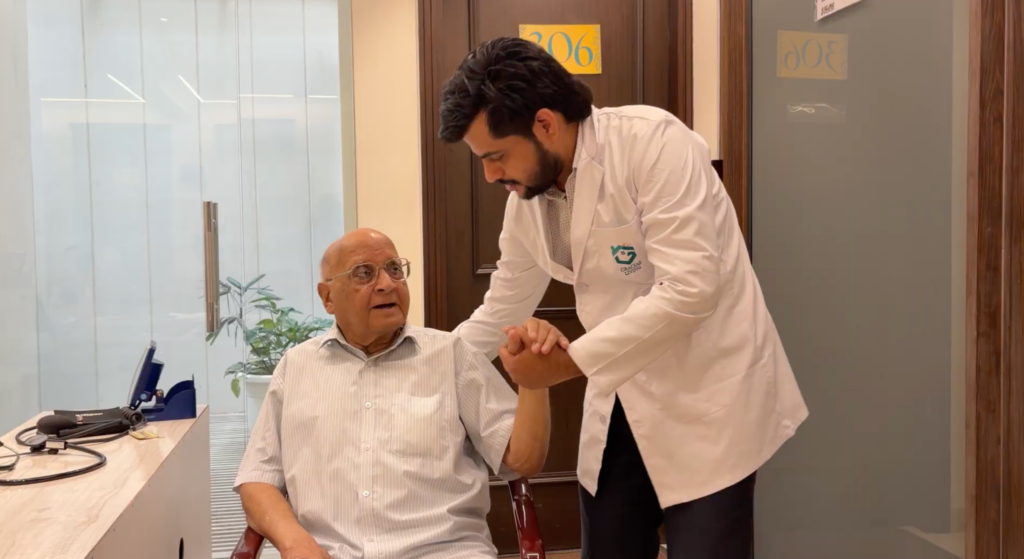
How Can Dementia Affect Daily Life?
Dementia can affect many aspects of daily life, including memory, communication, decision-making, personal care, and social interactions. The impact varies from person to person and usually becomes more noticeable as the condition progresses.
As the condition progresses, everyday activities may become more challenging. Understanding these changes helps families provide the right support while preserving dignity and independence for as long as possible. Families may notice changes in different areas, including:
- Communication: Difficulty finding words, following conversations, or expressing thoughts clearly.
- Daily Activities: Challenges with dressing, bathing, cooking, eating, or managing medications.
- Memory and Thinking: Forgetting recent events, appointments, familiar people, or important information.
- Behaviour and Emotions: Increased anxiety, confusion, irritability, mood changes, or personality changes.
- Mobility and Safety: Reduced balance, coordination, or awareness, increasing the risk of falls or wandering.
- Relationships and Social Life: Withdrawal from social activities, reduced confidence, or difficulty maintaining conversations.
Key Insight
Although dementia changes the way a person experiences everyday life, compassionate care, structured routines, and meaningful social engagement can help maintain independence and quality of life for as long as possible.
Can Dementia Be Treated?
There is no cure for most types of dementia, but treatment can help manage symptoms, slow progression in some cases, and improve quality of life. A personalised care plan may include medicines, cognitive therapies, physical activity, a healthy lifestyle, and ongoing family support.
Early treatment and supportive care can make a meaningful difference. The goal of treatment is to help people maintain their independence, manage symptoms, and improve their overall well-being.
Treatment plans are personalised and may change as the condition progresses.
Treatment Options
| Treatment | How It Helps |
|---|---|
| Medicines | May help manage memory, thinking, or behavioural symptoms. |
| Cognitive Stimulation | Keeps the brain active through memory exercises, conversations, puzzles, and meaningful activities. |
| Physical Activity | Improves mobility, balance, mood, and overall health. |
| Healthy Nutrition | Supports brain health and overall well-being. |
| Social Engagement | Encourages interaction, reduces isolation, and improves emotional health. |
| Personalised Care | Provides structured routines, supervision, and support based on individual needs. |
Key Insight
Treatment about medicines, daily routines, meaningful activities, family support, and compassionate care.
How Families Can Support a Loved One with Dementia
Families play an important role in dementia care. Simple steps such as maintaining a daily routine, communicating calmly, encouraging independence, creating a safe environment, and showing patience can help improve comfort, confidence, and quality of life.
Supporting a loved one needs small, consistent actions. The goal is to help our loved one feel safe, respected, and engaged while preserving their independence for as long as possible. Ways Families Can Help
- Maintain a Daily Routine: Consistent meal times, activities, and sleep schedules help reduce confusion and anxiety.
- Communicate Clearly: Use simple words, speak calmly, maintain eye contact, and allow enough time for responses.
- Encourage Independence: Let your loved one do as much as they can on their own while offering support when needed.
- Create a Safe Environment: Remove fall hazards, improve lighting, and keep frequently used items easy to find.
- Keep Them Mentally and Socially Active: Encourage conversations, music, puzzles, hobbies, and time with family and friends.
- Support Good Nutrition and Physical Activity: Healthy meals, hydration, and gentle exercise contribute to overall well-being.
- Be Patient and Reassuring: Avoid arguing or correcting mistakes. Respond with empathy, reassurance, and understanding.
- Take Care of Yourself: Seek support, take breaks, and prioritise your own health and well-being.
Key Insight
They may forget names or events, but they often remember how they were made to feel. Patience, kindness, and compassion can make a meaningful difference every day.
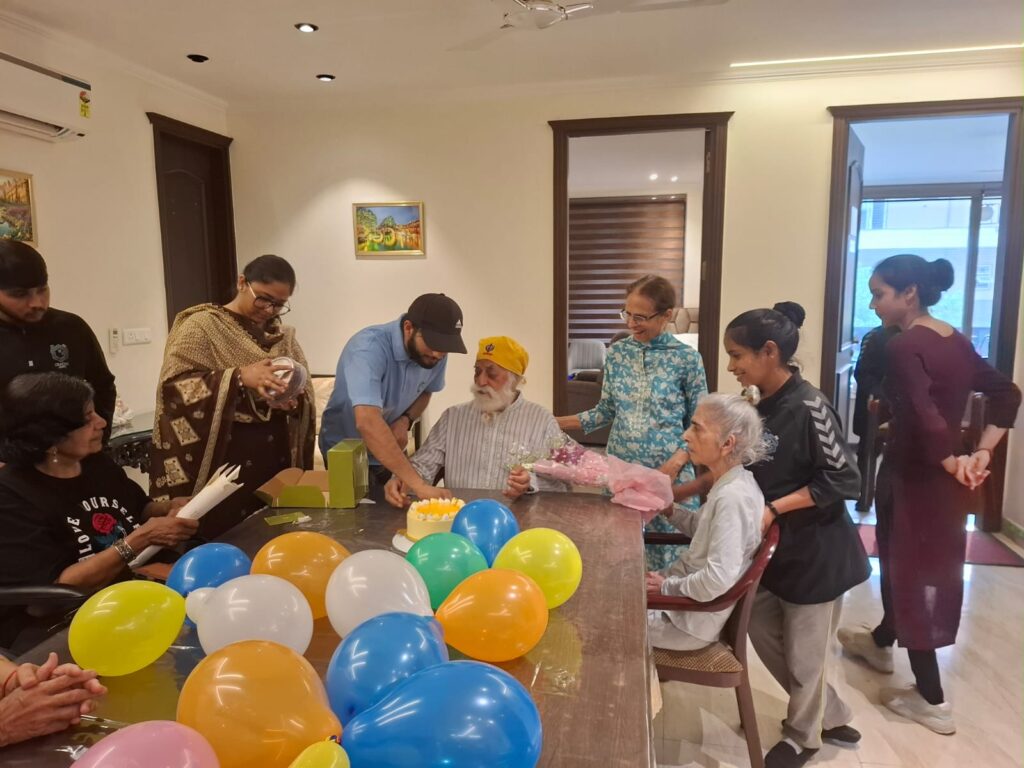
When Should Families Consider Professional Dementia Care?
Professional care may be helpful when a person’s symptoms begin to affect their safety, health, or ability to perform everyday activities. It can also support families who find it difficult to provide the level of care their loved one needs at home.
Many families successfully care for a loved one at home, especially during the early stages. As the condition progresses, care needs often become more complex. Professional care provides specialised support, a safe environment, structured routines, and experienced caregivers who understand the changing needs.
Signs It May Be Time to Consider Professional Dementia Care
- Increasing safety concerns, such as wandering, falls, or forgetting to switch off appliances.
- Difficulty with daily activities, including bathing, dressing, eating, or taking medications.
- Frequent confusion or behavioural changes that become difficult to manage at home.
- Growing caregiver stress or burnout affecting the health and well-being of family members.
- Need for continuous supervision during the day or night.
- Medical conditions or care needs that require professional monitoring and support.
Key Insight
Choosing professional dementia care is not about giving up. It is about ensuring your loved one receives the right support, safety, and quality of care while helping families focus on spending meaningful time together.
What to Look for in a Dementia Care Home
Choosing the right care home is an important decision for every family. Look for a home that offers personalised care, trained caregivers, a safe environment, meaningful daily activities, medical support, and compassionate care that preserves dignity and quality of life.
Every person has unique care needs. The right care home should provide more than assistance with daily activities. It should offer a safe, supportive, and engaging environment where residents receive personalised care while maintaining their dignity, comfort, and sense of belonging.

What to Look For:
| What to Look For | Why It Matters |
|---|---|
| Personalised Care Plans | Care should be tailored to each resident’s stage of dementia, health needs, and daily routine. |
| Trained Dementia Caregivers | Experienced caregivers understand dementia related behaviours and know how to provide compassionate support. |
| Safe and Secure Environment | A well-designed environment helps reduce the risk of falls, wandering, and confusion. |
| Meaningful Daily Activities | Cognitive activities, music, exercise, and social engagement help improve well-being and quality of life. |
| Medical and Nursing Support | Regular health monitoring and timely medical care help manage changing health needs. |
| Nutritious Meals | Balanced meals support overall health and can be adapted to individual dietary requirements. |
| Family Communication | Regular updates and family involvement help build trust and support better care decisions. |
| Respect, Dignity, and Compassion | Every resident should be treated with patience, empathy, and respect at every stage of dementia. |
Key Insight
The best care home is one that not only provides professional care but also creates a safe, familiar, and compassionate environment where people living with dementia can continue to live with dignity and purpose.
How Gracias Living Supports Families Living with Dementia
Gracias Living is a premium assisted living and specialised dementia care home in Gurgaon, offering personalised care for older adults in a safe, comfortable, and supportive environment.
Our experienced care team provides 24/7 nursing support, structured daily routines, cognitive engagement, medication management, nutritious meals, and assistance with everyday activities. Every care plan is tailored to the resident’s needs, helping them live with dignity, comfort, and the highest possible quality of life.
Frequently Asked Questions
What is dementia?
It is a group of conditions that affect memory, thinking, behaviour, communication, and the ability to perform everyday activities. It is caused by diseases that damage brain cells and is not a normal part of ageing.
Is dementia a normal part of ageing?
No. While ageing may cause occasional forgetfulness, dementia is a medical condition that gradually affects memory, thinking, judgement, and daily functioning.
What are the early signs of dementia?
Common early signs include memory loss, difficulty finding words, confusion, poor judgement, mood changes, and trouble performing familiar daily tasks. If these symptoms begin to affect daily life, consult a doctor.
What is the most common type of dementia?
Alzheimer’s disease is the most common type of dementia. Other common types include vascular dementia, Lewy body dementia, frontotemporal dementia, and mixed dementia.
Can dementia be cured?
There is no cure for most types of dementia. However, medicines, supportive therapies, structured routines, and personalised care can help manage symptoms and improve quality of life.
How is dementia diagnosed?
Doctors diagnose it by reviewing medical history, symptoms, memory and thinking abilities, physical and neurological health, blood tests, and brain imaging when required.
What is the difference between dementia and Alzheimer’s disease?
Dementia is a general term for conditions that affect memory and thinking. Alzheimer’s disease is the most common cause of dementia. Not everyone with dementia has Alzheimer’s disease.
How can families support a loved one?
Families can help by maintaining a daily routine, communicating calmly, encouraging independence, creating a safe environment, and providing emotional support throughout the journey.
How does Gracias Living support people living with dementia?
Gracias Living provides personalised dementia care in a safe and supportive environment. Our experienced care team offers 24/7 nursing support, cognitive engagement activities, medication management, nutritious meals, and structured daily routines designed to promote comfort, dignity, and quality of life.
Can people with dementia live a good quality of life?
Yes. Many people with dementia continue to enjoy meaningful relationships and everyday activities with early diagnosis, appropriate treatment, personalised care, and strong family support. The right environment and compassionate care can help maintain independence and quality of life for as long as possible.
Living Beyond the Diagnosis
A dementia diagnosis changes many aspects of life, but it does not define the person. With early diagnosis, appropriate treatment, compassionate care, and strong family support, many people continue to enjoy meaningful relationships, familiar routines, and moments of joy.
Every journey is unique. Understanding the condition, planning, and choosing the right support can help families navigate each stage with greater confidence, dignity, and hope.
If your loved one is living with dementia and you are exploring professional care options, the team at Gracias Living is here to help. We provide personalised care in a safe, supportive, and enriching environment designed to promote comfort, dignity, and quality of life.
📞 Call: +91 8700484949
🌐 Visit: www.graciasliving.com
📍 Schedule a visit to learn how we can help.