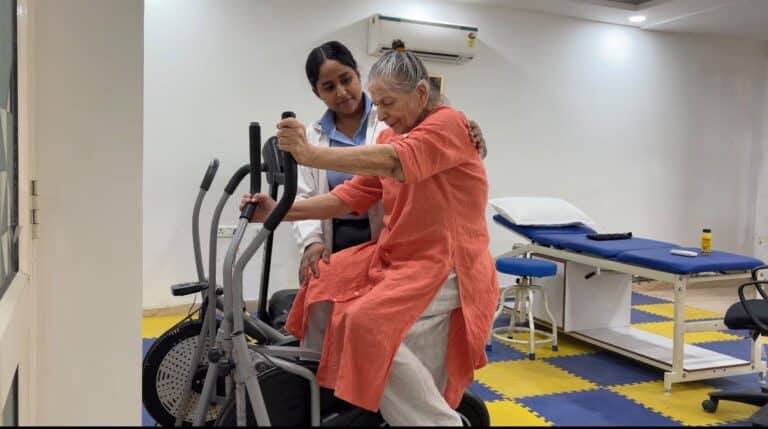

Healthy aging in seniors depends on three factors: balanced nutrition, regular hydration, and daily physical activity. Nutrient-rich meals maintain strength and immunity. Adequate water intake supports circulation and organ function. Gentle daily movement preserves mobility and independence.
Quick Summary of the article:
- Daily gentle activity, like walking or stretching, helps preserve mobility and independence.
- Seniors need nutrient-rich meals to maintain strength, immunity, and energy.
- Proper hydration supports healthy circulation and organ function in older adults.
Healthy aging in elderly care homes depends on three things: proper nutrition, consistent hydration, and daily physical activity. As the body ages, it absorbs nutrients less efficiently, so a lack of the right foods can lead to deficiencies and a decline in quality of life.
Every senior has different dietary and lifestyle needs. A resident recovering from surgery needs different nutrition than one managing diabetes or early memory loss, so care plans have to be personalized rather than generic.
Good elderly care homes build wellness into daily life, not just meals. This includes regular movement, hydration reminders, and activities to keep the mind engaged, along with nutrition tailored to each resident’s health condition.

Nutrition and wellness: The key to a healthy life
1. Maintain a balanced diet:
Aging brings about several physiological and immunological changes that impact the nutritional requirements of individuals, particularly elderly people.
Therefore, a balanced diet is crucial, with a focus on limiting saturated fats, animal-based proteins, and simple carbohydrates.
The daily intake should include cereals, fruits, vegetables, pulses, and dairy products in moderation. It’s also essential to remain hydrated to avoid digestive issues, making healthy food the best way for seniors to obtain the nutrients they need.
2. CALCIUM AND VITAMIN D
Calcium and vitamin D are needed to help maintain bone health, so is are important nutrients among older adults.
Having three servings of calcium-rich foods and beverages each day is recommended, so serving foods such as fortified cereals and fruit juices, dark green leafy vegetables like kale and spinach, canned fish, milk, and fortified plant beverages like soya milk is advised. Taking calcium supplements or multivitamins that contain vitamin D.
3. VITAMIN B12
Vitamin B12 is a nutrient that helps keep the body’s nerves and blood cells healthy and also helps prevent a type of anemia called megaloblastic anemia that makes people tired and weak.
To ensure residents do not suffer from vitamin B12 deficiency, ensure they are getting the nutrients they need.
Serve lean meat and canned fish such as tuna and salmon at mealtimes. For residents who stick to a vegan or vegetarian diet, nutritional yeast and non-dairy milk are good sources of vitamin B12.
4. Water and fiber intake:
Several physiological changes can put seniors at risk of dehydration, such as diminishing kidney function and a reduced sense of thirst.
Thus, it’s essential to stay sufficiently hydrated to balance electrolytes, maintain normal blood volumes, and aid nutrient transportation with a tailored approach.
Additionally, fiber intake should increase to aid digestion and prevent constipation. Therefore, incorporating plant-based foods into a balanced diet is a reliable way to help seniors meet their fiber needs.
5. Customized diets:
In an era where change has become a constant thing, personalization has emerged as a source of optimism. When it comes to meeting the dietary needs of the elderly, this method can work miracles.
This is where elderly care homes focus on personalized nutrition plans to make them feel well and affluent, ensuring residents receive meals adapted to their specific health needs, dietary restrictions, allergies, and preferences.
This personalized treatment results in improved health outcomes and a more pleasurable dining experience.
6. Holistic wellness activities:
Alongside nutrition, wellness activities play a vital role in maintaining a healthy lifestyle.
Therefore, elderly care homes integrate holistic wellness activities into the daily routine, motivating seniors to engage in gentle exercise, meditation, and recreational activities. This comprehensive approach ensures residents experience a fulfilling and balanced lifestyle.
Towards a healthy life!
There is no denying the fact that aging is a biological process that requires different nutritional intake and wellness activities at different stages.
Choosing healthy foods and nutritional resources can help people make every bite count, regardless of age.
Therefore, by prioritizing nutritional diet and well-being activities, elderly care homes emerged as a helping hand for older people to live a fulfilling life.
Conclusion
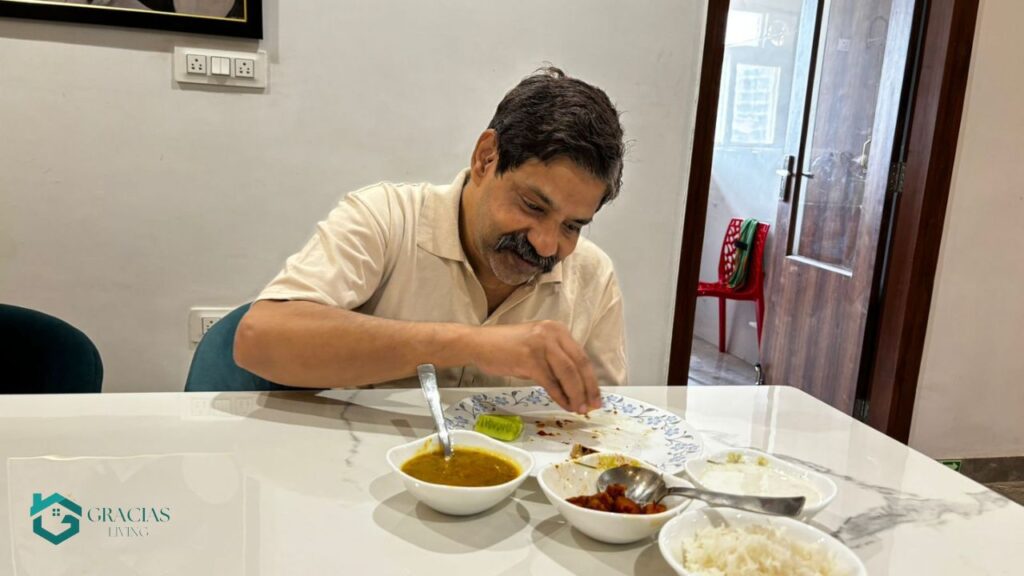
A good meal is often used to provide comfort, celebrate success, nurture companionship, and even mark welcomes and goodbyes and celebrations such as birthdays. Making mealtimes a social occasion will benefit the residents and staff alike, as they are a pivotal point for the delivery of care, so the benefits should not be overlooked.
Not only do mealtimes offer the chance for residents to establish emotional and psychological connections with other residents, set meal times also establish a sense of familiarity and routine.
Frequently Asked Questions
1. What is an important aspect of healthy ageing?
2. What are the three powerful steps towards healthy ageing?
3. How can elderly care facilities promote healthy ageing?
4. How does diet affect healthy ageing?
5. What role does mental health play in healthy ageing?