

Assisted living supports seniors with daily tasks like bathing and meals while preserving independence. Memory care goes further, offering a secure, structured environment specifically designed for people with Alzheimer’s or dementia. The right choice depends mainly on whether cognitive decline is affecting a person’s safety and daily functioning, not just their physical ability.
Deciding on the right care for a family member can be a difficult and emotional experience, especially when cognitive abilities are challenged by conditions like Alzheimer’s and dementia. This guide is a comprehensive resource to help Indian families understand the real differences between the two, in services, environment, cost, and the signs that point to one over the other.
What Is Assisted Living?
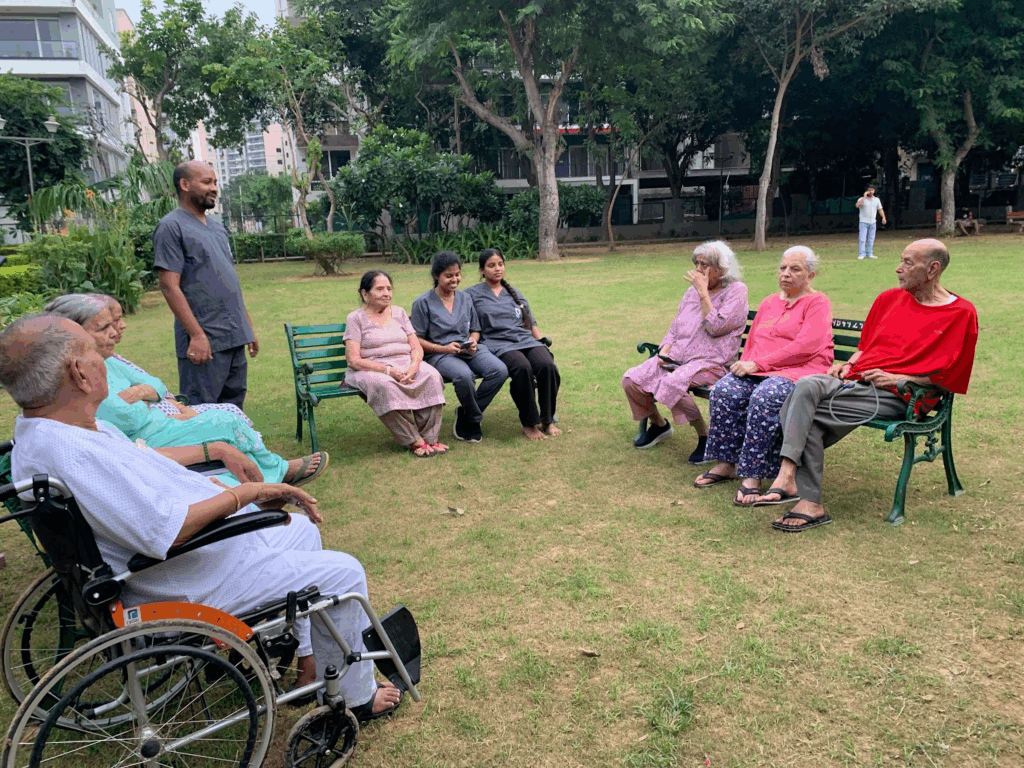
Assisted living is a form of senior housing where staff support residents who can’t fully live independently, but who don’t need the intensive medical care a nursing home provides. It sits between full time medical care and staying at home, giving residents a secure, social environment with just enough support to thrive.
Typical Services Offered
What Is Memory Care?
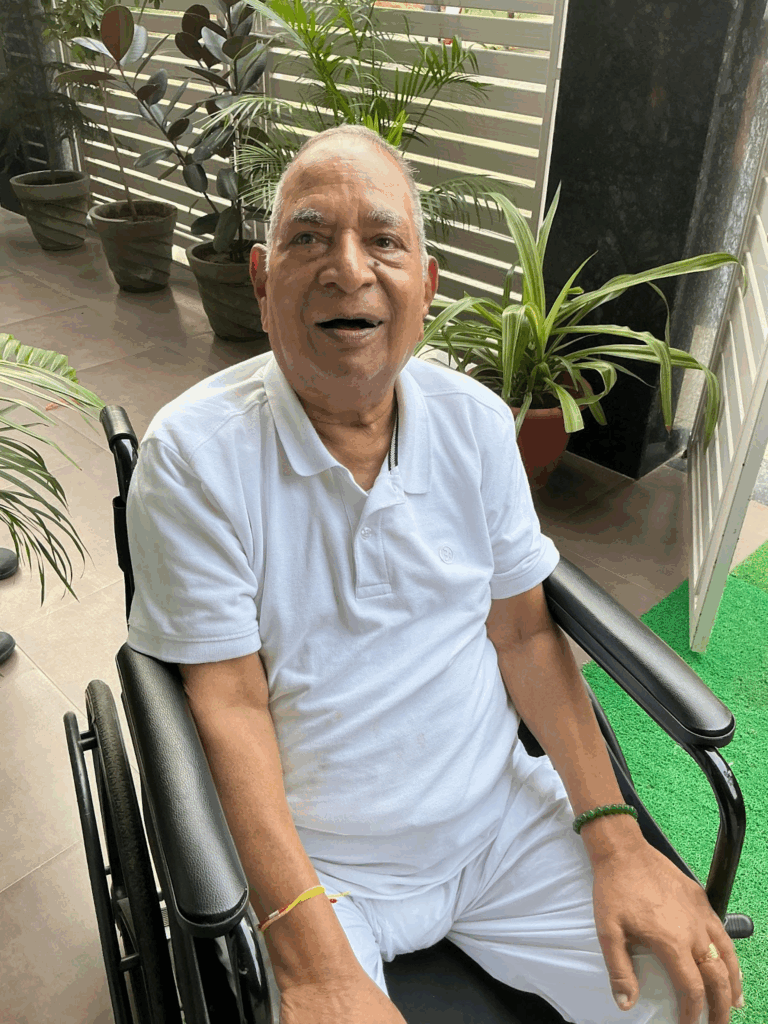
Memory care is a specialised, long term form of care built specifically for people with Alzheimer’s or other forms of dementia. It goes beyond standard assisted living, focusing entirely on the changing needs of people with significant cognitive decline. The goal is a safe, structured, and humane environment that improves quality of life as the condition progresses.
What Makes Memory Care Different
Key Differences Between Memory Care and Assisted Living
The level of specialisation and security is what really separates the two, and it matters a great deal when making this decision.
| Feature | Memory Care | Assisted Living |
|---|---|---|
| Services and Activities | Dementia specific care with structured, therapeutic activities | General assistance with daily tasks, socialisation, and belonging |
| Staff Training | Specialised training in dementia care, including managing difficult behaviour | Trained for everyday tasks, with a lower staff to resident ratio |
| Living Environment | Often circular layouts with clear signage and colour coding to ease movement | Residents move freely and can come and go as they please |
| Medical Support | More intensive medical care with 24/7 supervision and regular health checks | Daily medical assistance and medication support, with less oversight needed |

Why Physical Design Matters in Memory Care
Physical design is one of the biggest differentiators in memory care. Facilities are built as a closed system, with secure perimeters and doors, so residents can’t wander off and get lost. Interiors are kept simple and uncluttered, since busy colours and visual noise can increase confusion for someone with dementia. Walking paths are often circular or looped rather than dead ends, so movement feels natural instead of frustrating.
Good memory care facilities also include reminiscence rooms with familiar objects from earlier decades, safe outdoor gardens, and dining setups designed to help residents stay focused during meals. The goal throughout is to make daily life feel calm and manageable, not like a series of hard tasks.
The Real Benefits of Memory Care
A structured routine reduces anxiety and confusion, while specialised therapies can help slow cognitive decline and support a more stable mood. A secure environment gives residents the freedom to move around safely, without the constant risk of getting lost or hurt.
Memory care also brings real relief to families. Caring for a loved one with advanced dementia is physically and emotionally demanding, and moving them into professional memory care lets families shift their energy back into spending quality time together, rather than managing round the clock care alone. That shift alone can meaningfully reduce caregiver burnout.
Memory Care vs Assisted Living: Cost
Cost is a major factor in this decision. Memory care generally costs more than assisted living, since it requires a higher staff to resident ratio, specialised training, and additional security.
Depending on location and services, assisted living in India typically costs between ₹20,000 and ₹80,000 a month. Memory care, given its specialisation, typically costs between ₹50,000 and ₹1,00,000 or more per month. Costs also vary by city, major metros like Delhi NCR, Mumbai, and Bangalore tend to run higher than smaller cities, and shared versus private accommodation makes a real difference too.
How Senior Living Needs Change Over Time
Choosing the right option starts with understanding how senior living needs evolve. Many seniors start in independent living, active and needing no daily care. As needs grow, assisted living offers support in a social setting. Once cognitive decline begins affecting safety and daily functioning, the next step is often memory care.
Wandering, aggression, or difficulty managing medication are a few of the key signs that lead families to consider moving a loved one from assisted living into memory care. Facility staff often flag this transition themselves when they can no longer safely meet a resident’s needs. Recognising these signs early can make the difference between a stressful crisis and a calm, well planned move to somewhere a person can genuinely feel safe.

Final Thoughts
Choosing between memory care and assisted living is one of the most significant decisions a family can make for a loved one. When a senior needs general help with daily activities and social life, assisted living is often the right fit. But for someone living with Alzheimer’s or dementia, the safety, structure, and specialised support of memory care isn’t just helpful, it’s often necessary.
Understanding the real differences in services, environment, and cost gives Indian families the clarity to make this decision with confidence, rather than guesswork.
Frequently Asked Questions
Can memory care handle aggressive patients?+
Yes. Memory care homes are built and staffed specifically to manage complex behaviours, including aggression triggered by cognitive decline. Staff are trained in techniques to calm tense situations and keep residents safe and supported.
When is it time to move from assisted living to memory care?+
It’s time to consider a move when safety becomes a concern, due to wandering, poor personal hygiene, or increasing agitation. Losing interest in activities, or staff being unable to keep up with growing needs, are also common signs.
What’s the core difference between assisted living and memory care?+
Assisted living offers general support for seniors managing daily life. Memory care is a specialised form of dementia care, built around a secure environment, dementia trained staff, and structured cognitive stimulation programs.
What services are unique to memory care?+
Memory care adds secure, wander safe environments, a higher staff to resident ratio, and dementia friendly programming. Staff also receive specialised training to handle the behavioural symptoms specific to Alzheimer’s and other dementias.
Is memory care widely available in India?+
Specialised memory care is still concentrated mainly in major cities like Delhi NCR, Mumbai, Pune, and Bangalore. Demand is growing quickly, and more reputed senior living facilities are now offering dedicated dementia care units.
Can a senior move between assisted living and memory care within the same facility?+
Yes, many senior living communities, including Gracias Living, offer both, which makes transitions smoother since the resident stays in a familiar environment with staff they already know.
Does insurance cover memory care costs in India?+
Coverage varies by insurer and policy, and most standard health insurance in India does not fully cover long term memory care. Families should check directly with their provider, as some senior care specific policies offer partial coverage.
How can families make the transition to memory care easier for their loved one?+
Bringing familiar items like photos or a favourite chair, visiting regularly in the first few weeks, and choosing a facility with a calm, structured environment all help ease the adjustment for someone with dementia.