
Medically reviewed by Dr. Chitra Anand
Diabetes in winter needs extra attention for older adults. Fewer walks, colds and flu, and Diwali and wedding food can all push your parent’s sugar up. To keep sugar under control, agree on a winter plan with your parent’s doctor, keep meals and medicines on time, keep your parent moving, and check their feet every day.
We have already written about how winter pollution affects the lungs and how the cold strains the heart. Blood sugar is the third part of the winter picture, and it needs its own plan.
Why Sugar Levels Can Rise in Winter
Every person responds differently. Still, a few winter changes often push readings up, and they tend to arrive together.
- Less movement. Cold mornings cut walks short or cancel them. Less activity makes it harder for the body to use insulin well.
- More illness. Winter brings colds, flu and chest infections. Any infection can raise blood sugar, sometimes quickly.
- Changed meals. Heavier winter food, irregular meal times and festive sweets all add up.
- Cold itself. The CDC notes that cold weather can affect blood sugar, diabetes supplies and how readings behave.
Why Older Adults Need a Different Approach
For older adults, lower is not always better. Doctors set blood sugar targets for each person. They look at age, frailty, memory, other illnesses and the risk of falls.
A sugar level that drops too low can cause dizziness, confusion and falls. For many seniors, avoiding lows matters as much as avoiding highs. The American Diabetes Association’s guidance for older adults makes the same point. Ask your parent’s doctor for their personal target range and write it down.
The Festive Food Challenge
Diwali, weddings and family visits fall in the same months as the cold. Willpower is not the issue here. Planning is.
- Sweets often come on top of a full meal. That raises the meal’s total carbohydrate load.
- Visits and functions push meals later. Meal timing matters, especially for seniors on insulin or sugar lowering tablets.
- Relatives offer “just one piece” at every stop. Small portions add up over a festive week.
The Overlooked Risk: Feet in Cold Weather
Diabetes can dull feeling in the feet over time. Cold weather adds to the problem.
- Cold reduces blood flow to the feet. Diabetes can make this worse.
- With less feeling, your parent may not notice a cut, blister or burn for days.
- Poor blood flow slows healing. A small injury can turn into a serious wound.
A daily foot check takes a minute. It helps you spot injuries early, so treatment can start promptly. The American Diabetes Association’s foot care page explains what to look for.

Diabetes in Winter: 8 Ways to Keep Sugar Under Control
1. Agree on a winter testing plan. Ask the doctor how often your parent should check sugar during festive weeks and sick days. Do not guess. The right number depends on their medicines and health.
2. Plan festive treats. Decide in advance which celebration gets a sweet and how much. Have it with a meal, not as an extra snack. Protein or fibre can slow the rise, but it does not cancel the sugar.
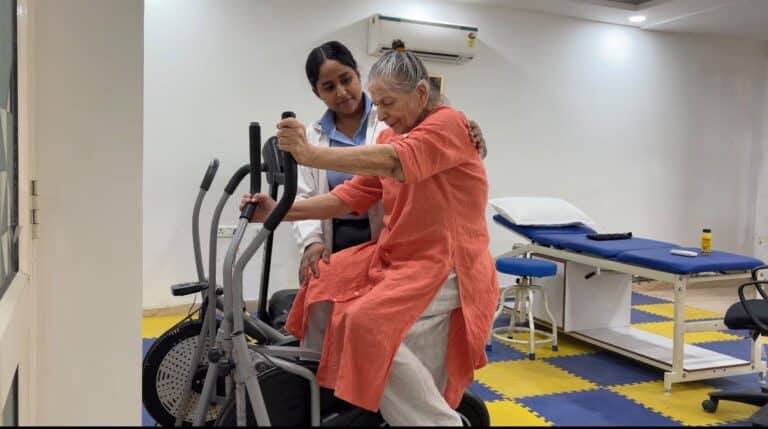
3. Keep your parent moving every day. Too cold outside? Walk indoors or shift the walk to the afternoon sun. A short walk after meals helps. Seniors with weak knees or balance problems can do chair exercises their physiotherapist approves.
4. Check feet every day. Look between the toes, under the heel and around the nails. Look for cuts, redness, swelling or blisters, especially after new shoes at a function.
5. Warm feet safely. Use warm socks. Keep hot water bottles, heating pads and room heaters away from bare feet. Your parent may not feel a burn.
6. Ask about flu and pneumonia vaccines. Illness raises blood sugar. Preventing infection protects sugar control too.
7. Get a written sick day plan. Ask the doctor what to do when your parent eats less, skips a meal or falls ill. Never change or stop a medicine dose on your own. Doctors adjust doses based on readings, food intake and a proper assessment.
8. Protect insulin and supplies. Insulin must never freeze. Keep it away from cold windows and car boots. Store the meter and strips as the pack instructions say, since extreme cold can affect readings.
Warning Signs: When to Act
Act immediately: suspected low blood sugar
Shakiness, sweating, sudden confusion, irritability or a racing heart can mean sugar has dropped too low. Check the reading. The NIDDK advises 15 to 20 grams of fast acting sugar for a reading below 70 mg/dL, such as glucose tablets or half a glass of fruit juice, then a recheck after 15 minutes. Give this only when your parent is awake and can swallow safely. Follow the plan your parent’s doctor has given you.
Call your doctor right away or go to the nearest hospital
- Your parent faints, has a seizure or seems very confused
- Your parent cannot swallow safely. Never put food or drink in their mouth.
- Your parent has trouble breathing or cannot keep fluids down during an illness
Call your doctor promptly
- Readings stay outside the target range the doctor set
- Excessive thirst, frequent urination or unusual tiredness
- Any new foot wound, or redness, warmth or swelling on the foot. Do not wait for it to heal on its own.
How Gracias Living Supports Residents With Diabetes in Winter
Our homes in DLF Phase 3 and Sector 43 have nurses and trained caregivers on duty 24/7. Dr. Chitra Anand, our Head of Medical Services, and her team oversee every resident’s prescriptions and health changes. We plan every meal around each resident’s dietary needs first, so festive food can fit into the plan.
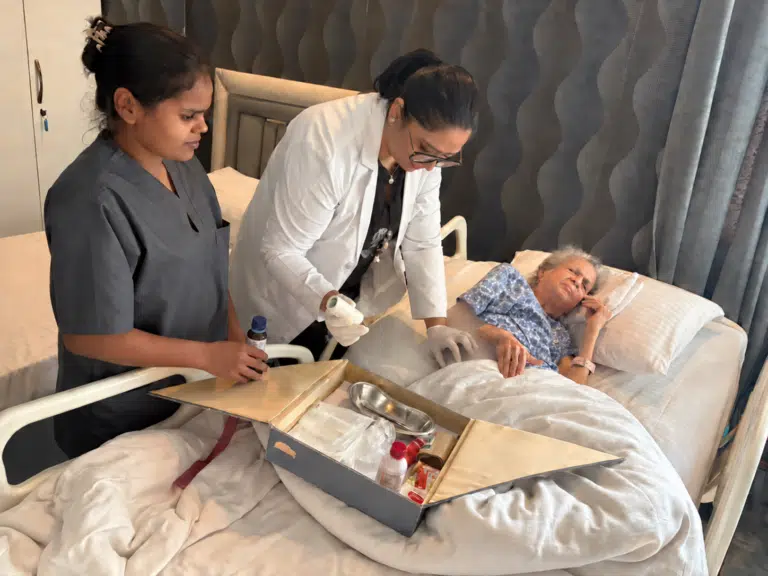
In winter, our nurses check the feet of every resident with diabetes daily. We follow each resident’s testing plan as their doctor sets it, including any extra checks during festive weeks. Staff flag concerns to the medical team on the same day. We also review vaccination status before the season begins.

Many families choose assisted living when daily testing, meal timing and medicine schedules become hard to manage at home. Learn more about our elder care in Gurgaon.
Frequently Asked Questions
Why does sugar level increase in winter?
In winter, older adults usually move less, catch more infections and eat heavier meals and festive sweets. Each of these can push sugar up. Each person responds differently, so regular monitoring matters more than general rules.
How often should my elderly parent check blood sugar in winter?
Ask their doctor. The right frequency depends on their medicines, especially insulin, and their health. Many doctors suggest extra checks during illness and festive weeks.
Can a senior with diabetes eat Diwali sweets?
A small, planned portion may fit some meal plans. Discuss it with the doctor or dietitian. Have the sweet with a meal, keep the portion small and check sugar afterwards.
Why do diabetic feet need extra care in winter?
Diabetes can dull feeling in the feet, and cold reduces blood flow. A small cut or burn can go unnoticed and heal slowly. A daily check catches problems early.
What should I do when my parent eats less or misses a meal?
Check their sugar and follow the sick day plan from their doctor. Some diabetes medicines can drop sugar too low when food intake falls. Call the doctor for advice before the next dose.
Need steady diabetes support for your parent this winter?
Talk to our care team at Gracias Living today.