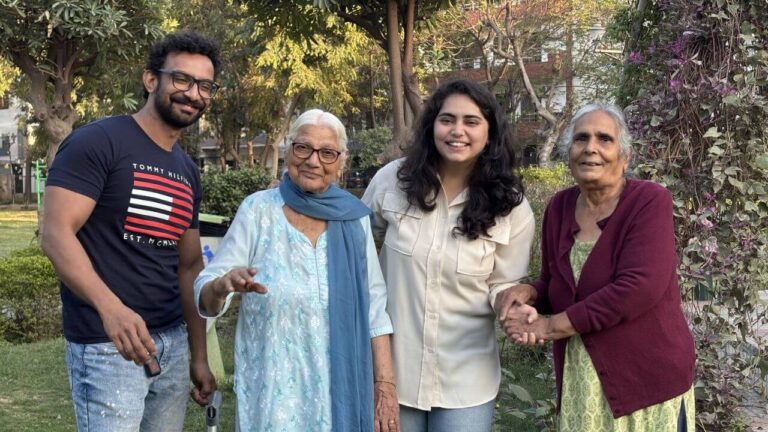


For generations, Indian families lived under one roof. Grandparents, parents, and children shared meals, festivals, and daily life together. Leaving an aging parent anywhere else felt unthinkable.
That picture is changing fast. Old age homes and assisted living communities are opening across Indian cities at a pace nobody predicted a decade ago. This is not a story about families abandoning their values. It is a story about a country changing shape faster than its old support systems can keep up.
Here is what is actually driving this shift, and how to think about it if your own family is facing this decision.
Why Old Age Homes Are Growing Across India
| Reason | What Is Driving It |
|---|---|
| Career driven nuclear families | Adult children take jobs in different cities and no longer live near aging parents |
| Space and privacy needs | Dual income households have less room and less time for full time caregiving |
| Safety concerns | Falls, medical emergencies, and isolation at home worry families more than ever |
| Desire for community | Seniors want peer connection, not just a room to sit in |
| A widening care gap | India’s elderly population is growing far faster than family caregiving capacity |
1. Career Driven Families and the Shift Away From Joint Households
Marriage, migration, and career choices are reshaping the Indian household. Adult children move to new cities for work, marry, and build their own homes rather than staying with their parents. This is not a rejection of family values. It is simply how careers work now.
Census data tracked this shift over decades. Joint family households made up close to 78 percent of Indian households in 1961, a share that had fallen to roughly a third by the 2011 Census. Fewer generations under one roof means fewer hands available for daily elder care, which is one of the biggest reasons old age homes are filling up.
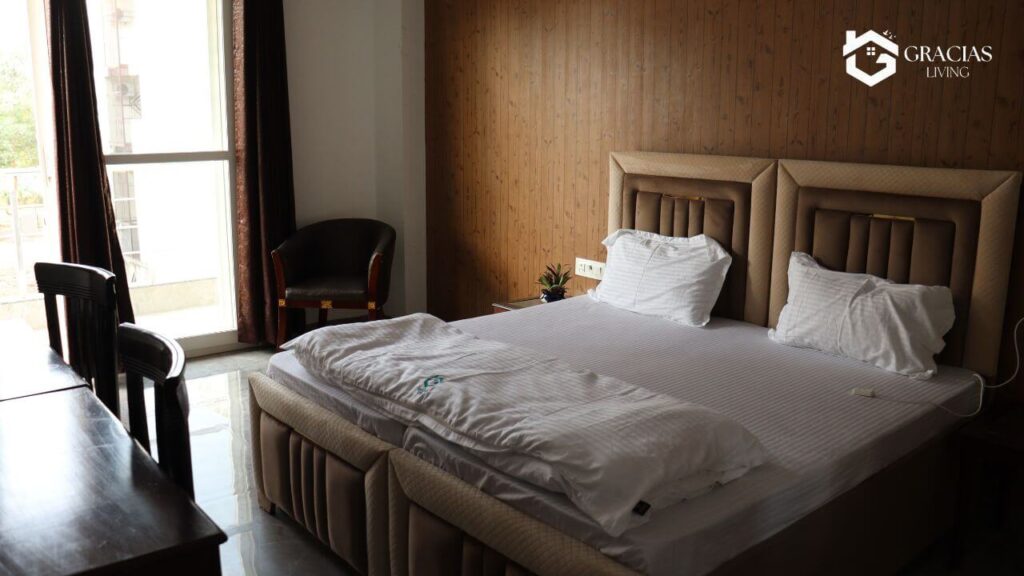
An assisted living community fills that gap by giving seniors trained caregivers on site, every day, instead of relying on a family member who may live several cities away.
2. The Need for Privacy and Personal Space
Space is not just a real estate problem. It is an emotional one too. Middle aged adults juggling careers and their own children often need quiet and personal time that a shared household cannot always provide. This is not about disliking their parents. It is about balance.
At the same time, a generation gap in habits, routines, and expectations can create daily friction that nobody intends. Moving a parent to a community built specifically for their needs is often less about distance and more about giving everyone room to be comfortable.
Independent living arrangements let seniors keep their autonomy while staying close enough for regular family visits, which is often the actual goal families are looking for.

3. Safety, Health, and Peace of Mind
Safety is consistently the top concern families raise when considering a move. A senior living alone faces real risks: a fall with no one nearby, a missed medication, an emergency with no immediate help.
Old age homes and assisted living facilities are built around this exact problem. Trained staff, on site medical support, and safety features like grab bars and emergency call systems remove the guesswork from daily care. For families juggling jobs and their own households, knowing a parent is safe around the clock brings a kind of relief that distance calls cannot.
4. Community, Belonging, and a Reason to Get Out of Bed
Isolation is one of the quiet dangers of old age, even inside a full house. A senior living in a large family home but spending most days alone is still isolated in every way that matters.
Community living flips that. Shared meals, group activities and events, and daily conversation with peers going through the same life stage give seniors a genuine reason to stay engaged. Many families report that a parent who seemed withdrawn at home becomes noticeably more social and active within weeks of joining a senior community.

5. India’s Elderly Population Is Growing Faster Than Family Caregiving Capacity
This is the reason behind all the others. India’s population is aging quickly, and the traditional family model simply cannot scale fast enough to keep up.
The UNFPA India Ageing Report projects that people aged 60 and above will make up over 20 percent of India’s population by 2050, more than 346 million people. Yet supply has not caught up. Industry research shows only around 22,000 organized senior living units exist for a senior population already past 162 million, covering less than 1 percent of demand.
That gap is exactly why the market is expanding so fast. A 2026 industry report by Colliers valued India’s senior living sector at roughly 30,000 crore rupees today, projecting it to cross 1 lakh crore rupees by 2030.
How India’s Ageing Compares to the Rest of the World
India is not aging in isolation. The whole world is getting older, but the speed of this shift varies enormously by country, and India is on one of the fastest tracks ever recorded.
| Country | Years to Go From 7% to 14% of Population Aged 60 Plus |
|---|---|
| France | 114 years |
| Sweden | 82 years |
| Japan | 24 years |
| China | 25 years (projected) |
| India | 28 years (projected) |
Source: United Nations Department of Economic and Social Affairs
Countries that industrialized early, like France and Sweden, had roughly a century to build pension systems, hospitals, and elder care infrastructure before their populations aged. India does not have that runway. This compressed timeline is a major reason organized senior care is appearing so suddenly across Indian cities rather than growing gradually the way it did in the West.
The shift is not even across India either. Southern states like Kerala and Tamil Nadu are aging faster than the national average and already have more seniors living without adult children nearby. That is part of why Southern India commands roughly 60 percent of the country’s organized senior living market share today, even though the demographic shift is now spreading to every part of the country.
Is an Old Age Home the Right Fit? What Families Should Weigh
| Factor | Questions to Ask |
|---|---|
| Level of care needed | Does your parent need daily medical support, or mainly companionship and supervision? |
| Location and visits | Can family members visit regularly, or does distance make daily contact hard? |
| Safety at the current home | Are there stairs, poor lighting, or other fall risks the current home cannot fix? |
| Social life | Is your parent isolated at home, or already socially active? |
| Budget and long term cost | Does the facility offer transparent, predictable pricing for the level of care needed? |
| Your parent’s own preference | Has your parent been part of this decision, or is it being made for them? |
Choosing an old age home in India or an assisted living facility works best when it is a decision made with your parent, not just for them. Talking to a parent about this move the right way makes a real difference in how they experience the transition.
Frequently Asked Questions
Why are old age homes increasing in India?
Career driven nuclear families, less space and time for full time caregiving, safety concerns for seniors living alone, and a fast growing elderly population that has outpaced traditional family caregiving capacity are the main drivers.
Does choosing an old age home mean a family has failed its elders?
No. Choosing the right care setting is a decision about safety, health, and quality of life. Many seniors in community living report better social engagement and daily structure than they had living alone at home.
What is the difference between an old age home and an assisted living facility?
An old age home typically provides housing and basic supervision. Assisted living goes further, adding trained staff, medical oversight, meals, and structured daily activities designed around each resident’s needs.
How fast is the senior living market growing in India?
Industry estimates put India’s senior living sector at around 30,000 crore rupees today, with projections crossing 1 lakh crore rupees by 2030 as demand for organized senior housing accelerates.
How do I know if my parent needs assisted living instead of staying at home?
Watch for repeated falls, missed medications, growing isolation, or a home environment with safety risks like stairs and poor lighting. If daily support is no longer manageable at home, it may be time to explore other options.
How can I bring up moving to an old age home without upsetting my parent?
Start the conversation early and involve them directly rather than presenting it as a decision already made. Focus on independence, safety, and community rather than framing it as giving up their home.
Are old age homes only for seniors who have no family support?
No. Many residents have close, supportive families nearby. They choose community living for the safety, structure, and social connection it provides, while staying closely involved with family through regular visits.
What should families check before choosing an old age home?
Look at the level of medical support available, staff to resident ratio, transparency in pricing, safety features throughout the facility, and how residents spend their day. Visiting in person and speaking with current residents’ families helps confirm the fit.
Is community living actually good for a senior’s mental health?
Yes, in most cases. Regular social interaction, structured activities, and reduced isolation are strongly linked to better mood and engagement in older adults, compared to living alone with limited daily contact.
The Bigger Picture
Old age homes are not replacing family. They are responding to a country where careers, cities, and family sizes have all changed faster than anyone expected. The families making this choice are not stepping away from their parents. They are looking for a setting where safety, health, and connection are handled well, so the time they do spend together can be about being present, not about managing a crisis.