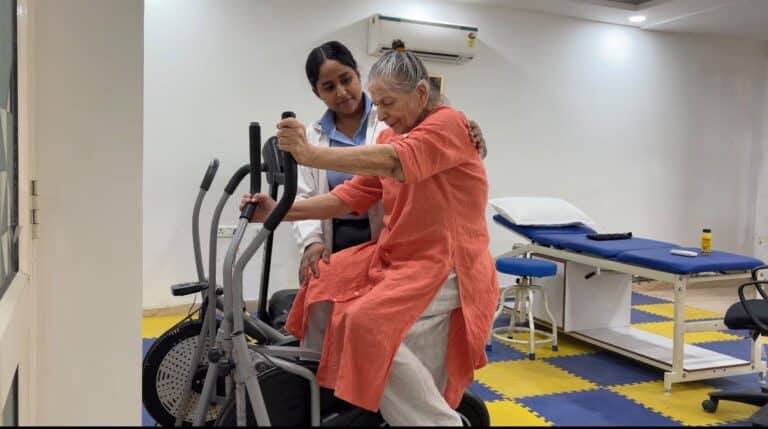

Assisted living supports post-operative recovery with round-the-clock nursing, medication management, and daily physiotherapy. This structured environment lowers the risk of complications and helps seniors regain strength faster than recovering alone at home.
For families, the period right after a parent’s surgery often feels harder to manage than the surgery itself. Someone has to be there for medications, wound checks, meals, and simply making sure a fall doesn’t undo weeks of healing. That’s exactly the gap assisted living is built to fill.
Why the Weeks After Surgery Matter as Much as the Surgery Itself
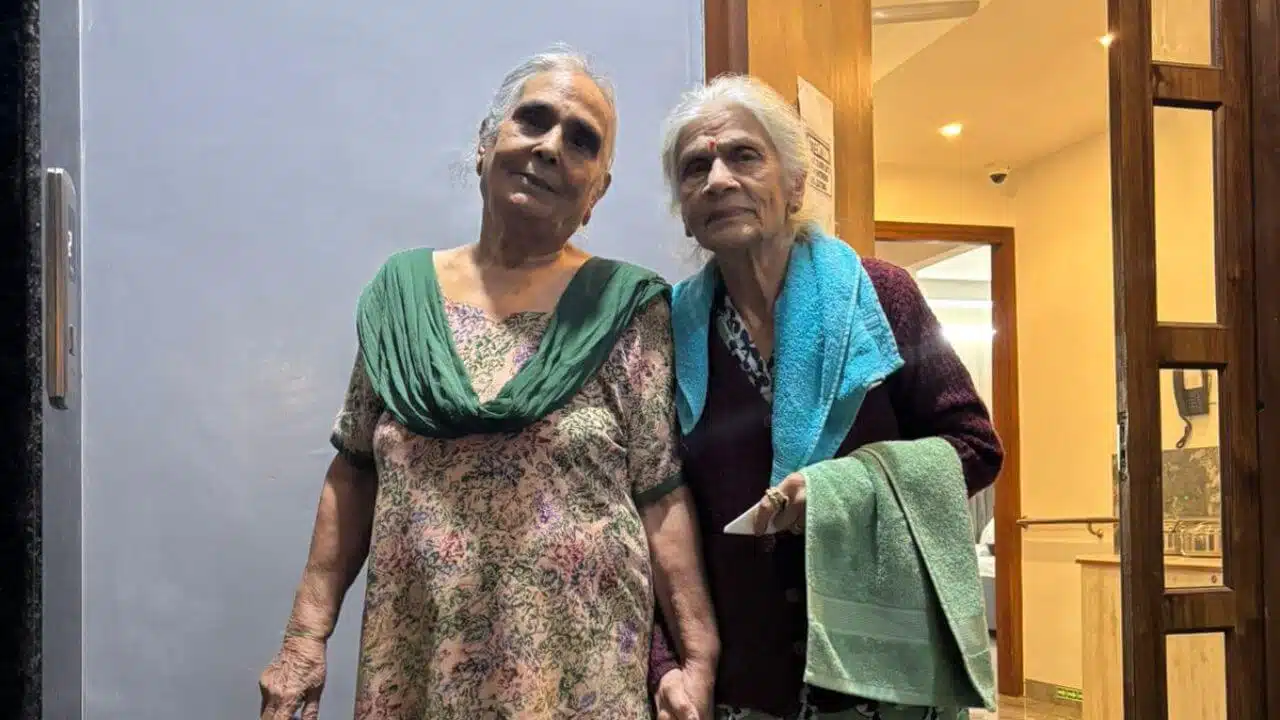
Surgery is only the first step. What happens in the weeks that follow, wound care, medication, mobility, nutrition, often determines how well and how fully a person recovers. For seniors, this window carries real risks: infections, blood clots, falls, and slow wound healing are all more likely without close, consistent supervision.
This is especially true in India, where roughly 21% of seniors live with at least one chronic condition such as hypertension or diabetes (National Sample Survey Office, 75th Round). Chronic conditions like these can slow healing and raise the risk of complications after surgery, which is exactly why structured, supervised recovery matters more for older adults than for younger patients.
Common Surgeries Seniors Recover From
The most common procedures among seniors in India include cataract surgery, orthopaedic procedures such as hip and knee replacements, and, less frequently, spinal surgeries like laminectomy. Each of these has a different recovery path, but they share the same core needs: careful monitoring, guided movement, and time.
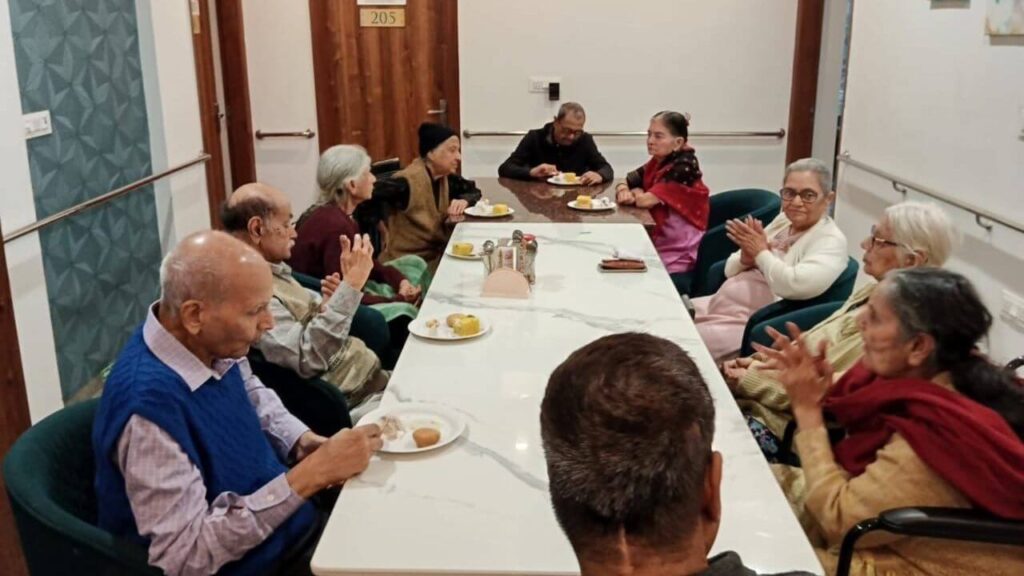
How Assisted Living Supports Recovery
Assisted Living Recovery vs Recovering at Home
- Supervision depends on family availability
- Physiotherapy needs separate visits arranged
- Emergency response depends on who’s home
- Caregiver burden falls on family members
- 24×7 nursing and caregiver support
- Physiotherapy available on-site, daily
- Trained staff present at all times
- Recovery managed by trained professionals
Signs Recovery May Need More Support
- Increasing pain, swelling, or redness around the surgical site
- Difficulty moving safely, or repeated near-falls
- Missed medication doses or confusion about the schedule
- Low appetite or unintentional weight loss
- A family caregiver feeling overwhelmed or unable to keep up
If any of these sound familiar, it may be worth considering a supervised recovery environment rather than continuing at home alone. Learn more about what assisted living at Gracias Living includes beyond recovery care.
How Gracias Living Supports Post-Operative Recovery
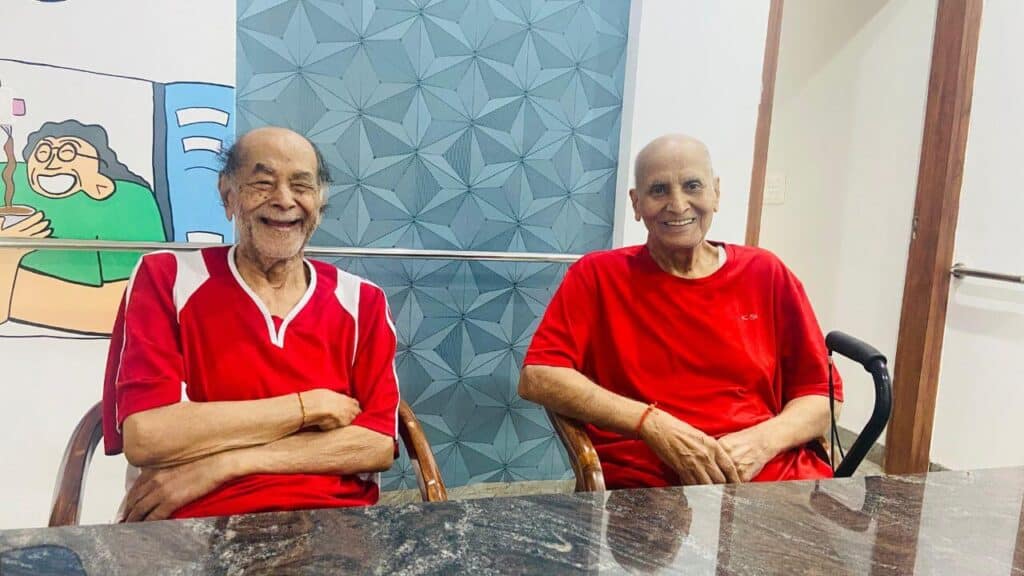
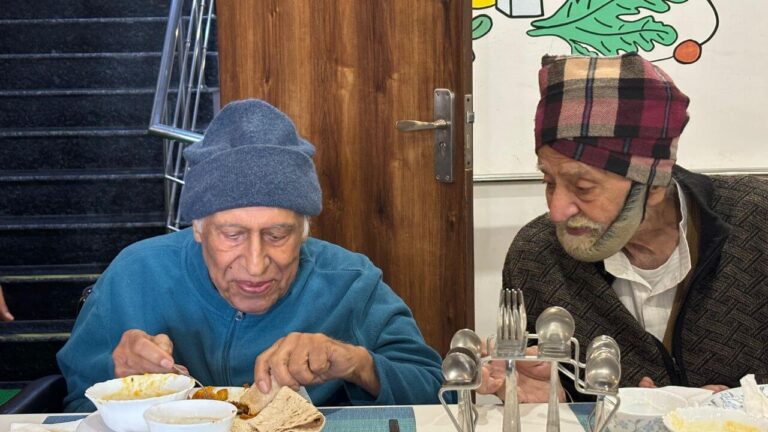
At Gracias Living, recovery is built around a personalised plan, not a one-size-fits-all routine. This includes medication scheduling, wound monitoring, physiotherapy tailored to the specific surgery, nutrition support, and regular updates to family members throughout the recovery period.
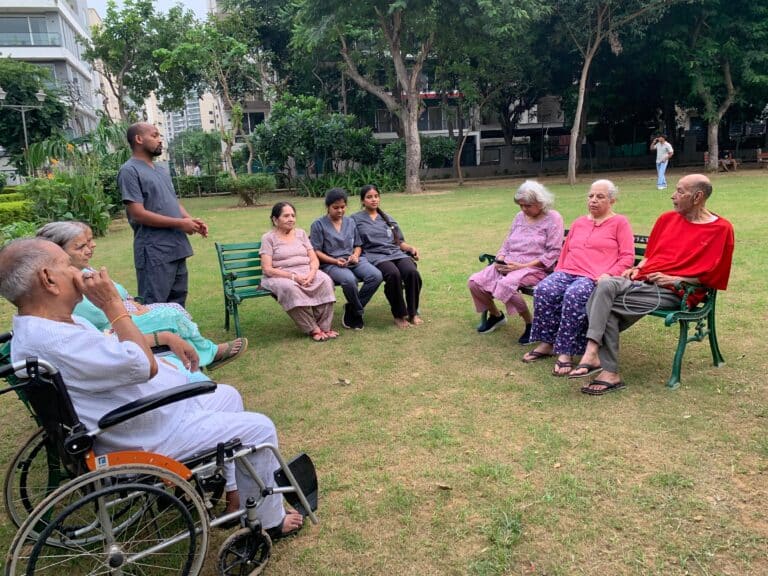
Whether recovering from a joint replacement, cardiac procedure, or general surgery, residents get 24×7 nursing support, on-site physiotherapy, and a safe, comfortable environment designed to help them regain independence, not just heal. This is part of our broader post-operative care program at Gracias Living.
Final Thoughts
The weeks after surgery shape how well a senior heals, not just physically, but in confidence and independence too. A structured recovery environment with round-the-clock nursing, guided physiotherapy, and proper nutrition takes that pressure off both the senior and the family, and gives recovery the best possible chance.
If a parent has surgery coming up, or has recently returned home and things feel harder to manage than expected, it’s worth having a conversation about what supervised recovery could look like. Reach out to Gracias Living to discuss a personalised recovery plan for your family.
Frequently Asked Questions
How long does post-operative recovery typically take for seniors?+
It depends on the procedure. Cataract surgery may need only a few weeks of care, while hip or knee replacements often need 6 to 12 weeks of structured support before a senior regains full independence.
Is assisted living only for long-term stays?+
No. Many families use assisted living for short-term, post-operative recovery only, then return home once the senior is steady on their feet again.
What happens if a complication comes up during recovery?+
Nursing staff monitor residents daily and coordinate directly with doctors or hospitals if anything changes, so issues get caught early rather than at the next scheduled visit.
Can family still be involved during a short-term recovery stay?+
Yes. Visits are welcome, and families receive regular updates on progress throughout the recovery period.
What types of surgeries most commonly need this kind of support?+
Orthopaedic procedures like hip and knee replacements are the most common, followed by cataract surgery and, less often, spinal or cardiac procedures. Any surgery that limits mobility or requires careful medication management can benefit from supervised recovery.
Does insurance cover a stay at an assisted living facility for recovery?+
Coverage varies by insurer and policy. Families should check directly with their insurance provider, as some health plans cover part of the cost while others do not.
How is a physiotherapy plan created for someone recovering from surgery?+
The physiotherapy team assesses the specific surgery, the resident’s mobility level, and any pain or restrictions, then builds a gradual exercise plan that’s reviewed and adjusted as recovery progresses.
What should a family look for when choosing a facility for post-operative recovery?+
Look for 24×7 nursing availability, on-site physiotherapy, a clear communication process with family, and staff experienced with the specific type of surgery the senior has had. For a fuller picture of what to evaluate, see our complete guide to assisted living in India.
Can a senior return home once recovery is complete?+
Yes. Post-operative stays at Gracias Living are often short-term by design, families can plan for the senior to return home once they’ve regained enough strength and independence.