
Everything Families Need to Know Before Choosing Assisted Living
This guide helps families understand assisted living in India, including who it is for, services, costs, daily life, safety, and how to choose the right community with confidence.
📖 22-minute read
📅 Last updated: July 2026
👩💼 Author: Meenakshi Dawar
👨⚕️ Expert Reviewed by: Dr. Vishal Siwach, COO, Gracias Living
Assisted living is a residential senior care service designed for older adults who need support with daily activities while maintaining as much independence as possible. It combines comfortable accommodation, personalised care, nutritious meals, medication management, healthcare support, and meaningful social engagement in a safe and secure environment. Assisted living is ideal for seniors who need regular assistance but do not require intensive hospital-level or nursing home care.
This ultimate family guide to assisted living in India explains who it is for, the services offered, costs, benefits, daily life, and how families can choose the right assisted living community with confidence.
Assisted Living at a Glance
| Feature | Details |
|---|---|
| Who is it for? | Seniors who need support with daily activities while maintaining independence |
| Care provided | Personal care, medication support, meals, housekeeping, nursing assistance,social life |
| Living arrangement | Private or shared accommodation within a safe and supportive community |
| Medical support | Regular health monitoring and coordination with healthcare professionals |
| Best suited for | Seniors with mobility challenges, memory loss, loneliness, post-surgery recovery |
| Primary goal | To improve safety, comfort, independence and quality of life |
What Is Assisted Living?
Assisted living is a long-term senior care option that helps older adults with everyday activities such as bathing, dressing, medication management, meals, and mobility while allowing them to live as independently as possible in a safe and supportive community.
Growing older often brings changes that make everyday tasks more challenging. Some seniors begin to need help with activities such as getting dressed, taking medicines on time, preparing meals, or moving around safely. At the same time, many continue to value their independence, privacy, and social life.
Assisted living bridges this gap by offering personalised support without taking away a senior’s independence. Residents live in a comfortable community where trained caregivers are available to assist whenever needed, while encouraging them to remain active, engaged and involved in daily life.
Unlike hospitals or nursing homes, assisted living focuses on helping seniors live with dignity, comfort and purpose. It combines professional care with a homelike environment where residents can enjoy nutritious meals, participate in social activities, build friendships and receive the support they need based on their individual requirements.
The level of care is flexible and can change over time as a resident’s needs evolve, making assisted living a practical option for many families looking for long-term senior care.

Why Is Assisted Living Becoming More Popular in India?
More families in India are choosing assisted living because people are living longer, families are becoming smaller, and many adult children live in different cities or countries. Assisted living provides seniors with professional care, safety, companionship, and support while helping them maintain their independence and dignity.
India is experiencing a significant demographic shift. People are living longer than ever before, and the number of older adults is steadily increasing. At the same time, family structures have changed. Many households are now nuclear families, and adult children often live away from their parents due to work, education, or overseas opportunities.
These changes have created new caregiving challenges. While families want to provide the best care for their loved ones, balancing careers, children, and long-distance responsibilities can make full-time caregiving difficult.
According to the World Health Organization (WHO), healthy ageing focuses on maintaining the functional ability and well-being of older adults throughout later life.
Assisted living has emerged as a practical solution by combining professional care with a comfortable and engaging living environment. Rather than focusing only on medical needs, assisted living communities support the overall well-being of older adults through personalised care, nutritious meals, daily routines, meaningful activities, and opportunities to build social connections.
Today’s seniors are also redefining ageing. Many want to remain active, continue their hobbies, make new friends and live in an environment where support is available whenever they need it. Assisted living allows them to receive the right level of assistance without giving up their independence.
As awareness of senior care options continues to grow, more families are recognising assisted living as a positive lifestyle choice rather than a last resort. The focus has shifted from simply providing care to helping older adults live with comfort, dignity and purpose.
Why Families Are Choosing Assisted Living in India
| Reason | How Assisted Living Helps |
|---|---|
| Longer life expectancy | Provides long-term support as care needs change |
| Nuclear families | Ensures professional care when family members live separately |
| Children living abroad | Offers peace of mind through continuous care and supervision |
| Health and mobility challenges | Assists with daily activities while encouraging independence |
| Loneliness and social isolation | Creates opportunities for friendships, activities and community living |
| Need for a safer environment | Reduces risks through trained staff, accessible spaces and emergency support |
Who Should Consider Assisted Living in India?
Assisted living is suitable for older adults who need regular support with daily activities but wish to maintain their independence. It is often a good option for seniors living alone, experiencing mobility challenges, recovering from illness or surgery, living with early-stage memory loss, or needing a safer and more supportive environment.
Every senior has unique needs, and there is no fixed age at which assisted living becomes the right choice. The decision should be based on a person’s health, daily routine, safety, and ability to manage everyday life independently. You may consider assisted living if your loved one:
Who Can Benefit from Assisted Living?
| Situation | Assisted Living May Help |
|---|---|
| Lives alone | ✔ Yes |
| Needs help with bathing, dressing, or meals | ✔ Yes |
| Has frequent falls or mobility challenges | ✔ Yes |
| Recovering after surgery or illness | ✔ Yes |
| Has mild memory loss or early dementia | ✔ Yes |
| Feels lonely or socially isolated | ✔ Yes |
| Family lives away | ✔ Yes |
| Requires intensive hospital-level medical care | ✖ A nursing home or hospital may be more appropriate |
Many older adults continue to live independently for years, while others may benefit from additional support after a change in their health or living circumstances. Assisted living provides the right balance between independence and care, allowing seniors to receive help only where they need it.
Could Assisted Living in India Be the Right Choice?
If your loved one is experiencing three or more of the signs listed above, it may be a good time to have an open conversation with family members and seek a professional senior care assessment.
Signs It May Be Time to Explore Assisted Living
| Sign | Why It Matters |
|---|---|
| Difficulty with bathing, dressing or grooming | Daily activities become harder to manage safely |
| Frequent falls or poor balance | Higher risk of injury and reduced confidence |
| Missed medications or appointments | May affect health and treatment outcomes |
| Memory changes affecting routine | Additional supervision may be beneficial |
| Poor nutrition or weight loss | Can impact overall health and recovery |
| Social isolation or loneliness | May affect emotional well-being and quality of life |
| Chronic health conditions requiring support | Ongoing care and monitoring may be needed |
| Family caregiver feeling overwhelmed | Professional care can provide consistent support |
Many families begin considering assisted living when an older adult finds it difficult to manage daily life safely and independently. Frequent falls, missed medications, difficulty with personal care, social isolation, memory changes, or increasing caregiver stress are common signs that additional support may improve a senior’s quality of life and overall well-being.

What Services Are Included in Assisted Living?
Assisted living provides personalised support based on each senior’s individual needs. Services typically include comfortable accommodation, assistance with daily activities, nutritious meals, medication management, housekeeping, health monitoring, emergency support, recreational activities, and opportunities for social engagement. The level of care is flexible and can be adjusted as a resident’s needs change over time.
While services may vary between communities, most assisted living residences in India provide the following support. Services Commonly Available in Assisted Living in India:
| Service | Purpose |
|---|---|
| Personal care | Assistance with bathing, dressing, grooming and mobility |
| Medication management | Helps residents take medicines safely and on time |
| Nutritious meals | Balanced meals with dietary support when required |
| Housekeeping & laundry | Maintains a clean, comfortable living environment |
| Health monitoring | Regular health checks and nursing support |
| Recreational activities | Encourages physical, mental and social well-being |
| Safety & emergency support | Provides a secure environment with trained staff |
| Social engagement | Reduces loneliness and promotes meaningful connections |
Assisted living in India is designed to support older adults in their daily lives while encouraging them to remain as independent as possible. Rather than offering the same level of care to every resident, assisted living communities usually create personalised care plans based on individual health conditions, mobility, lifestyle, and personal preferences.
What Does Life in an Assisted Living in India Really Look Like?
Life in an assisted living community combines independence with the reassurance of professional support. Residents follow a structured yet flexible daily routine, enjoy nutritious meals, participate in activities, build meaningful friendships, and receive personalised care whenever needed. The goal is to help older adults live safely, comfortably, and with dignity while remaining active and socially engaged.
Many people imagine assisted living as a place where seniors spend most of their time receiving care. In reality, modern assisted living communities focus on helping older adults continue living active, meaningful, and independent lives while providing support whenever it is needed.
Each day follows a comfortable routine that balances personal time, health and wellness, social interaction, and recreational activities. Residents are encouraged to remain independent, pursue their interests, and participate in activities based on their preferences and abilities.
While routines may differ from one community to another, most assisted living communities create an environment where seniors can enjoy a sense of purpose, companionship, and security. A Typical Day May Include:
- A peaceful morning with tea and light exercise or a walk
- Healthy, freshly prepared meals at regular times
- Assistance with medications or personal care, when required
- Health monitoring or therapy sessions based on individual care plans
- Recreational activities such as yoga, music, gardening, reading, indoor games, or cultural programmes
- Time to relax, pursue hobbies, or connect with family and friends
- Evening social gatherings before dinner and bedtime
The routine is designed to support both physical health and emotional well-being while respecting each resident’s independence and personal choices.
The United Nations Population Fund (UNFPA) India highlights that India’s older population is growing rapidly, increasing the need for quality long-term care and senior living solutions.
Life at Gracias Living
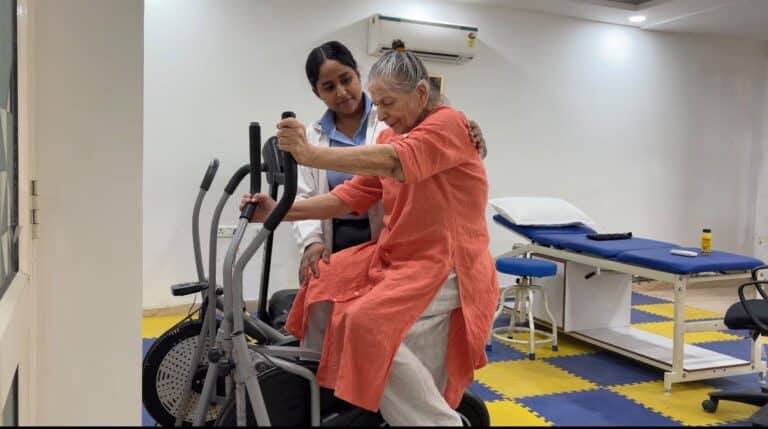
At Gracias Living, every day is planned around the comfort, health, and happiness of our residents. Mornings often begin with tea, light exercise, or yoga, followed by a nutritious breakfast. Depending on individual care plans, residents may participate in physiotherapy, wellness sessions, doctor consultations, or simply enjoy time with friends.
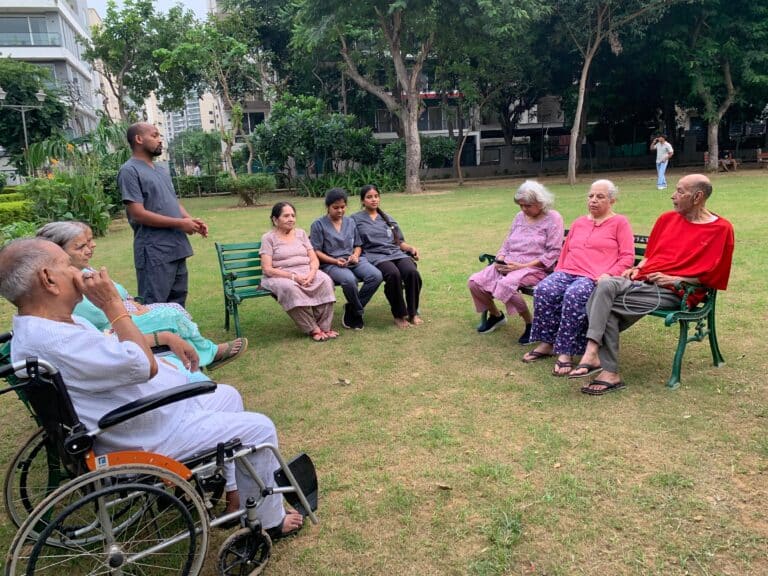
Throughout the day, residents take part in activities such as music, games, gardening, celebrations, and community gatherings, creating opportunities to stay active, engaged, and socially connected. Families are encouraged to visit regularly, making Gracias Living feel less like a facility and more like a vibrant community where seniors continue to enjoy life with dignity and purpose.
Family Tip: When visiting an assisted living community, don’t just look at the rooms or facilities. Spend time observing daily life. Notice whether residents appear engaged, interact with one another, participate in activities, and seem comfortable in their surroundings. These everyday experiences often reveal more about the quality of care than brochures or advertisements.
Five Conversations Every Family Should Have Before Choosing Assisted Living in India
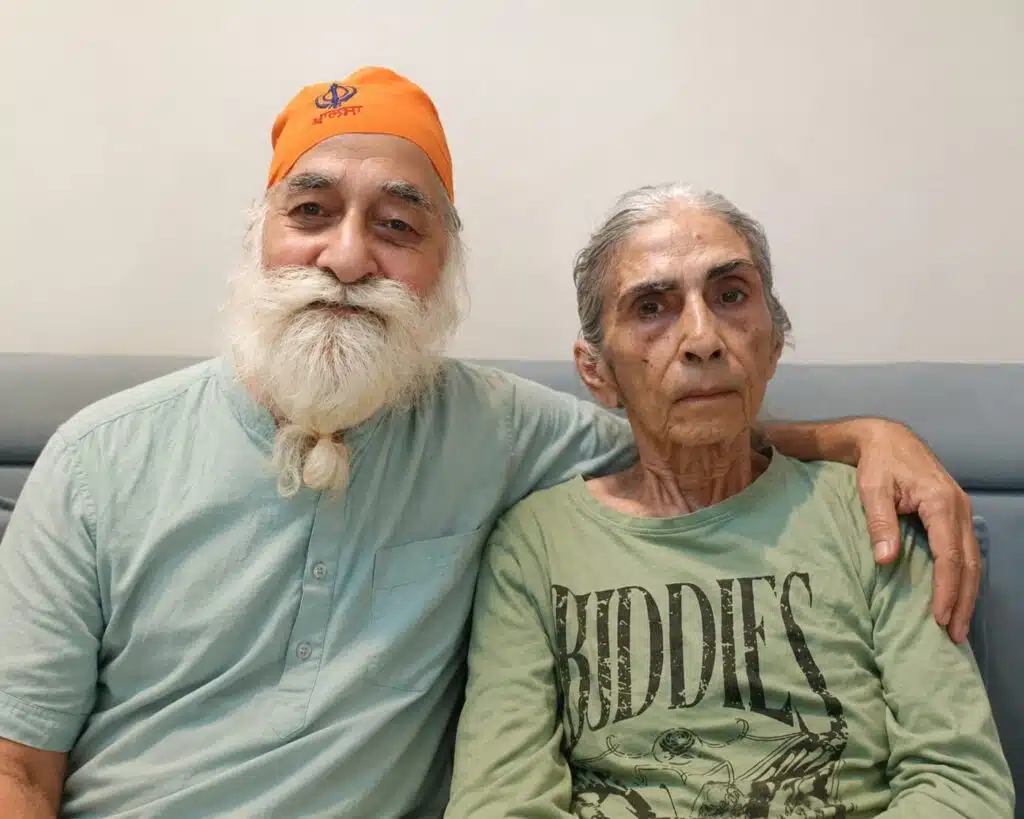
Choosing assisted living is a family decision, not just a healthcare decision. Before exploring communities, families should have open and honest conversations about their loved one’s needs, preferences, concerns, and expectations. These discussions build trust, reduce anxiety, and help everyone make a more informed decision together.
Families often spend weeks researching assisted living communities, comparing facilities, and discussing costs. Yet, many overlook the most important step: having meaningful conversations with the person who will be moving.
These conversations are not about convincing someone to move. They are about understanding what matters most to them and making them an active participant in the decision. Listening with empathy and involving your loved one from the beginning often leads to a smoother transition and greater acceptance.
Here are five conversations that every family should have before making a decision.
What Matters Most to You?
Every older adult has different priorities. Some value their independence above everything else, while others worry about safety, companionship, or staying close to family.
Start by asking simple questions.
- What makes you feel happy every day?
- What would you like your daily routine to look like?
- What is most important to you at this stage of life?
Understanding these priorities helps families choose a community that truly fits their loved one’s lifestyle.
What Are Your Biggest Concerns?
Many seniors worry about losing their independence, leaving a familiar home, or feeling disconnected from family. These concerns are natural and deserve thoughtful discussion.
Rather than offering immediate solutions, allow your loved one to express their feelings. Honest conversations often reduce fear and create greater confidence in the decision-making process.
What Kind of Support Would Make Daily Life Easier?
Instead of focusing on what a senior can no longer do, talk about where a little extra support could improve daily life.
For example:
- Would help with meals make life easier?
- Would it be reassuring to have someone available in an emergency?
- Would regular medication reminders reduce stress?
- Would living in a community with other seniors be enjoyable?
This shifts the conversation from dependence to support.
How Would You Like to Stay Connected with Family?
Moving to an assisted living community does not mean losing family connections. In fact, many families find that their time together becomes more meaningful because daily caregiving responsibilities are reduced.
Discuss how often family members will visit, celebrate special occasions, make video calls, or spend time together after the move.
What Does a Good Quality of Life Mean to You?
This may be the most important conversation of all.
For some people, quality of life means staying physically active. For others, it means enjoying good food, reading books, spending time with friends, practising spirituality, or simply feeling safe and cared for.
There is no right or wrong answer. Understanding what quality of life means to your loved one helps families choose a community that supports those goals.
Family Tip: These conversations are best started before a medical emergency forces a quick decision. Planning gives older adults time to explore their options, ask questions, visit communities, and participate in choosing the environment where they will feel most comfortable.

How to Choose the Right Assisted Living Community: Beyond Beautiful Buildings
A well-designed building can create a good first impression, but the true quality of an assisted living community is reflected in the everyday experiences of its residents.
The most important question is not, “How beautiful is the property?” It is, “Will my loved one feel safe, respected, engaged, and genuinely cared for here?”
When visiting an assisted living community, look beyond brochures and facilities. Observe how residents interact with caregivers, whether people appear comfortable and engaged, and whether the environment feels warm, welcoming, and respectful.
Here are some of the most important aspects to evaluate.
| What to Evaluate | What to Look For | Questions to Ask |
|---|---|---|
| Quality of Care | Personalised care plans, regular health assessments, and care tailored to individual needs. | How is the care plan prepared? How often is it reviewed? |
| Care Team | Compassionate, trained, and experienced caregivers who know residents personally and treat them with respect. | What is the caregiver-to-resident ratio? Are caregivers available 24/7? |
| Resident Life | Residents appear engaged, active, and socially connected rather than isolated. | What daily activities are organised? How do you encourage resident participation? |
| Safety & Emergency Support | Safe infrastructure, emergency response systems, and trained staff available at all times. | How are medical emergencies handled? Is there round-the-clock assistance? |
| Food & Nutrition | Fresh, nutritious meals with options for special dietary or medical needs. | Can meals be customised for diabetes, hypertension, or other health conditions? |
| Medical Support | Regular health monitoring and coordination with doctors, nurses, and therapists. | How often do doctors visit? How are medications managed? |
| Family Communication | Transparent communication and regular updates for family members. | How are families informed about health updates or emergencies? |
| Community Environment | A warm, welcoming atmosphere where residents feel respected, comfortable, and at home. | Can we spend some time observing daily life before making a decision? |
Choosing the right assisted living community involves much more than comparing rooms, amenities, or pricing. Families should evaluate the quality of care, staff experience, resident engagement, safety measures, medical support, and the overall atmosphere to ensure it matches their loved one’s needs and lifestyle.
Red Flags That Should Make You Ask More Questions
⚠ Staff seem rushed or difficult to approach.
⚠ Residents appear isolated or inactive.
⚠ Strong unpleasant odours throughout the community.
⚠ Limited activity programmes.
⚠ Unclear answers about medical support or emergencies.
⚠ High staff turnover or difficulty meeting caregivers.
The 10-Minute Visit Test
Before asking questions, spend ten minutes observing. Ask yourself:
- Do residents look happy?
- Are caregivers smiling and interacting naturally?
- Is there laughter?
- Is anyone sitting alone for long periods?
- Does the environment feel calm?
- Would I feel comfortable living here myself?
Sometimes, the atmosphere tells you more than any brochure ever can.
Family Tip: Visit the community more than once, and if possible, visit at different times of the day. A second visit often provides a more complete picture of daily life, resident engagement, and the quality of care.
The Family Readiness Check for Assisted Living in India
| Question | Yes | No |
|---|---|---|
| Lives alone | ☐ | ☐ |
| Needs help with daily activities | ☐ | ☐ |
| Misses medications | ☐ | ☐ |
| Has frequent falls | ☐ | ☐ |
| Feels lonely | ☐ | ☐ |
| Family lives away | ☐ | ☐ |
| Needs regular health monitoring | ☐ | ☐ |
- 0–2: Continue monitoring and planning.
- 3–5: It may be time to explore assisted living options.
- 6+: Consider arranging a professional senior care assessment.
Important: This checklist is designed as a conversation starter, not a medical or diagnostic tool. Every older adult has unique needs, and the right decision depends on their overall health, lifestyle, personal preferences, and family circumstances. If you have concerns about your loved one’s physical or cognitive health, consult a qualified healthcare professional or senior care expert for a comprehensive assessment.
What Happens During the First 30 Days in Assisted Living?
The first 30 days in assisted living are usually a period of adjustment, not immediate transformation. Most seniors gradually become familiar with their new surroundings, establish daily routines, build relationships with caregivers and fellow residents, and gain confidence in their new environment. With family support and personalised care, this transition often becomes smoother over time.
Moving into an assisted living facility in India is a significant life change. Just like starting a new job or moving to a new city, it takes time to become familiar with new people, routines, and surroundings.
Every senior adjusts differently. Some feel comfortable within a few days, while others may need several weeks. Patience, reassurance, and family involvement play an important role during this transition.
The first month is not about changing a person’s life overnight. It is about helping them gradually feel safe, comfortable, and at home. At a Glance: The First 30 Days
| Time | What Usually Happens |
|---|---|
| Week 1 | Settling into the new environment, meeting caregivers, understanding daily routines, and creating a sense of comfort. |
| Week 2 | Becoming familiar with meal schedules, activities, and the community while gradually developing a routine. |
| Week 3 | Building friendships, participating in activities, and becoming more confident in everyday life. |
| Week 4 | Feeling more comfortable, developing a sense of belonging, and enjoying greater confidence and independence. |
⭐ Family Tip: The first few weeks are a time for encouragement, not pressure. Regular visits, phone calls, and positive conversations help seniors feel supported while they adjust to their new surroundings. Rather than asking, “Do you want to come home?” ask questions like, “Who did you meet today?” or “What activity did you enjoy?” These conversations help shift the focus towards building new routines and positive experiences.
⭐ Life at Gracias Living: At Gracias Living, the transition begins even before a resident moves in. Our team takes time to understand each resident’s medical history, daily routine, food preferences, interests, and personal habits. During the first few weeks, caregivers provide extra attention, encourage participation in activities without pressure, and help residents build connections at their own pace. The focus is not simply on settling into a new place, but on helping every resident feel welcomed, respected, and truly at home.
A Final Thought for Families
Choosing assisted living in India is one of the most important decisions a family can make. It is not about replacing the love and care of family members. It is about ensuring that an older adult receives the right support to continue living with dignity, comfort, safety, and purpose.
Every family’s journey is unique, and there is no single right time or one solution that fits everyone. The best decisions are made through open conversations, careful planning, and by involving your loved one in every step of the process.
Take your time. Visit different communities. Observe daily life, meet the caregivers, ask questions, and understand how each community supports its residents. The right assisted living community should feel welcoming, respectful, and reassuring for the senior and the entire family.
Growing older is a natural part of life. With the right care, meaningful relationships, and a supportive environment, it can also be a stage of life filled with comfort, independence, purpose, and new experiences.
Looking for Assisted Living in Gurgaon or Delhi NCR?
If you are exploring assisted living options for yourself or a loved one, we invite you to visit Gracias Living and experience our community firsthand.
Meet our care team, interact with our residents, and see how personalised care, engaging daily activities, and a warm, supportive environment help seniors live with confidence, dignity, and joy.
Schedule a visit today and discover what life at Gracias Living is truly like.
Frequently Asked Questions About Assisted Living in India
What is assisted living?
Assisted living is a senior care service that provides support with daily activities such as bathing, dressing, medication management, meals, housekeeping, and mobility while helping older adults maintain their independence. It combines personalised care with a safe and engaging community environment.
Who should consider assisted living?
Assisted living is suitable for seniors who need help with daily activities, live alone, experience mobility challenges, have mild memory loss, are recovering from surgery, or would benefit from a safer and more socially active environment.
At what age should someone move to assisted living?
There is no fixed age for assisted living. The decision depends on a person’s health, ability to manage daily activities, safety, and overall care needs rather than their age alone.
What services are included in assisted living?
Most assisted living communities provide accommodation, personal care, medication management, nutritious meals, housekeeping, laundry, health monitoring, recreational activities, emergency support, and opportunities for social engagement.
How is assisted living different from a nursing home?
Assisted living focuses on supporting independent living while helping with daily activities. Nursing homes provide more intensive medical and nursing care for people with complex health conditions who require continuous clinical supervision.
Is assisted living suitable for people with dementia?
Many assisted living communities support seniors with mild cognitive impairment or early-stage dementia. Individuals with advanced dementia may benefit from specialised memory care services designed for their specific needs.
Can couples live together in an assisted living community?
Yes. Many assisted living communities offer accommodation options for couples, allowing them to continue living together while receiving personalised care based on each person’s individual needs.
How much does assisted living cost in India?
The cost varies depending on the city, accommodation type, level of care, medical support, and amenities offered. Families should understand what services are included before comparing costs between communities.
Can residents continue seeing their own doctor?
Yes. Many assisted living communities coordinate with residents’ existing doctors while also providing access to visiting physicians, nursing support, and healthcare professionals when required.
Can family members visit regularly?
Yes. Assisted living encourages families to remain actively involved. Most communities welcome regular visits, family celebrations, and ongoing communication regarding the resident’s well-being.
How long does it take to adjust to assisted living?
Every resident adjusts differently. While some seniors feel comfortable within a few days, others may need several weeks. Support from family, caregivers, and participation in daily activities often makes the transition smoother.
How do I choose the right assisted living community?
Visit the community in person, observe daily life, meet the caregiving team, ask about safety, medical support, activities, nutrition, and personalised care plans. Choosing a community should be based on quality of care rather than facilities alone.
Is assisted living only for seniors who are very ill?
No. Many residents choose assisted living because they want a safer, more comfortable, and socially active lifestyle with support available whenever they need it. It is designed to promote independence rather than replace it.
What should families look for during their first visit?
Families should observe how residents interact with caregivers, whether activities are taking place, the cleanliness of the environment, safety measures, meal quality, and the overall atmosphere. Speaking with staff and residents can also provide valuable insights.
How can I know if it’s the right time to consider assisted living?
If your loved one is finding it difficult to manage daily activities, has frequent falls, misses medications, feels socially isolated, or if caregiving responsibilities have become overwhelming, it may be time to explore assisted living and seek a professional senior care assessment.