
The signs rarely arrive all at once. They show up in small changes: a missed medicine, a stove left on, a fall that almost happened. This guide walks you through 10 signs worth watching, so you can spot the pattern early, before a crisis makes the decision for you.
A note before you read: This is a sensitive topic. This article shares general information only. It does not replace your doctor’s advice. If you worry about your parent’s health or safety, call their doctor.

Quick answer: The clearest signs are repeated falls, medicine mistakes, trouble with bathing or dressing, unexplained weight loss, a neglected home, memory lapses with safety risks, growing isolation, confusion about money, health conditions that are harder to manage, and a family caregiver who is worn out. One sign alone may mean little. Several signs over a few months deserve your attention.
The 10 signs at a glance
| Sign | What you might notice | What to do |
|---|---|---|
| 1. Repeated falls | Falls or near falls while getting up, walking or using the bathroom | Ask the doctor for a balance and medicine review |
| 2. Trouble with daily care | Same clothes for days, skipped baths, poor grooming | Note which tasks need help and how often |
| 3. Medicine mistakes | Missed doses, double doses, pills running out early or late | Check the pill box against the prescription for a week |
| 4. Weight loss | Loose clothes, an empty fridge, spoiled food | Track meals and weight, then tell the doctor |
| 5. A neglected home | Clutter, unpaid bills, piles of laundry | Visit without notice and look around |
| 6. Memory lapses | Stove left on, door left open, getting lost on familiar routes | Book a memory assessment with the doctor |
| 7. Withdrawal | Stops meeting friends, skips calls, seems low | Talk gently and ask what has changed |
| 8. Money confusion | Odd withdrawals, new “friends” asking for money | Review bank statements together |
| 9. Health harder to manage | Swinging sugar levels, high BP, a recent hospital stay | Plan supported recovery before discharge |
| 10. Caregiver burnout | You feel exhausted, irritable or unwell | Ask for help and consider a short respite stay |
1. Falls or near falls that keep happening
A single fall can happen to anyone. However, a pattern of falls is different. Also watch for close calls: a stumble while getting up from a chair, or a slip on the way to the bathroom at night.
Falls are common in later life. The WHO global report on falls prevention in older age states that 28 to 35% of people aged 65 and above fall each year, and the risk rises after 70. So repeated falls tell you that living alone has become unsafe.
2. Trouble with bathing, dressing and grooming
Bathing, dressing, grooming and using the toilet are the basic activities of daily life. Watch for the same clothes worn for days, unwashed hair, or a body odour you never noticed before. Pain, weak muscles or low energy often cause these changes. As a result, your parent needs more support.
3. Medicine mistakes
Missed doses, double doses or medicines taken at the wrong time can cause real harm. Above all, this matters for diabetes, blood pressure and heart conditions. Look at the pill organiser. Does it match the day? Do medicines run out too early or last too long? Either one tells you something has slipped.
4. Weight loss or an empty fridge
Cooking and grocery shopping take energy and planning. When a parent quietly stops doing both, you often see it first as weight loss or a kitchen that looks unused. So check the fridge for spoiled or missing food. Notice if clothes look loose. These changes build slowly, so families often miss them.
5. A home that is slipping
Look for clutter, unopened letters, unpaid electricity bills, piles of laundry or a dirty kitchen. Your parent may insist everything is fine. Still, the home often tells a more honest story.

6. Memory lapses with safety risks
Everyone forgets things now and then. However, watch for lapses with real consequences: a stove left on, the main door left open at night, confusion about the day, or getting lost on a familiar route. These need a doctor’s assessment. Do not dismiss them as normal ageing.
Wandering and getting lost can also point to dementia. Our guide to the stages of dementia explains the early signs, and our dementia care page shows how daily support works.
7. Withdrawal and isolation
A parent who once loved visiting friends may now stay home, skip calls and seem low. This often happens because your parent feels embarrassed about falling or forgetting. Isolation also harms health on its own. A WHO advocacy brief on social isolation and loneliness notes that 20 to 34% of older people in countries including India feel lonely, and that isolation and loneliness shorten lives.
8. Confusion about money
Memory changes raise the risk of scams and financial exploitation. A WHO supported study found that about 1 in 6 people aged 60 and above experience some form of abuse, and 6.8% experience financial abuse.
Watch for: unusual bank withdrawals, unpaid bills, new “friends” asking for money, calls about prizes or investments, or confusion about money that never existed before. Review bank statements together and speak up early.
9. Health conditions getting harder to manage
Sugar levels that swing, blood pressure that stays high, or a slow recovery after illness all point to a need for closer daily support. In addition, a recent hospital stay is a key moment. Many families find that home cannot provide the care their parent needs after discharge. For this reason, plan the next step before the discharge date.
10. You, the caregiver, are running out of strength
Families most often miss this sign in themselves. You may feel exhausted, short tempered or guilty all the time. Your own health, work or family life may be suffering. This is caregiver burnout. It is a valid reason to bring in more support. Above all, your parent needs a carer who is rested and well.
When you live far from your parent
Many Indian families face this situation. Children work in another city or abroad. A parent lives alone after losing a spouse. A part time attendant or a helpful relative fills the gaps for a while.
However, distance makes the signs above harder to see. You may only notice them during a short visit, or after a fall. For this reason, ask a neighbour or a trusted relative to check in regularly. Also use video calls to look at the home, the kitchen and your parent’s appearance.
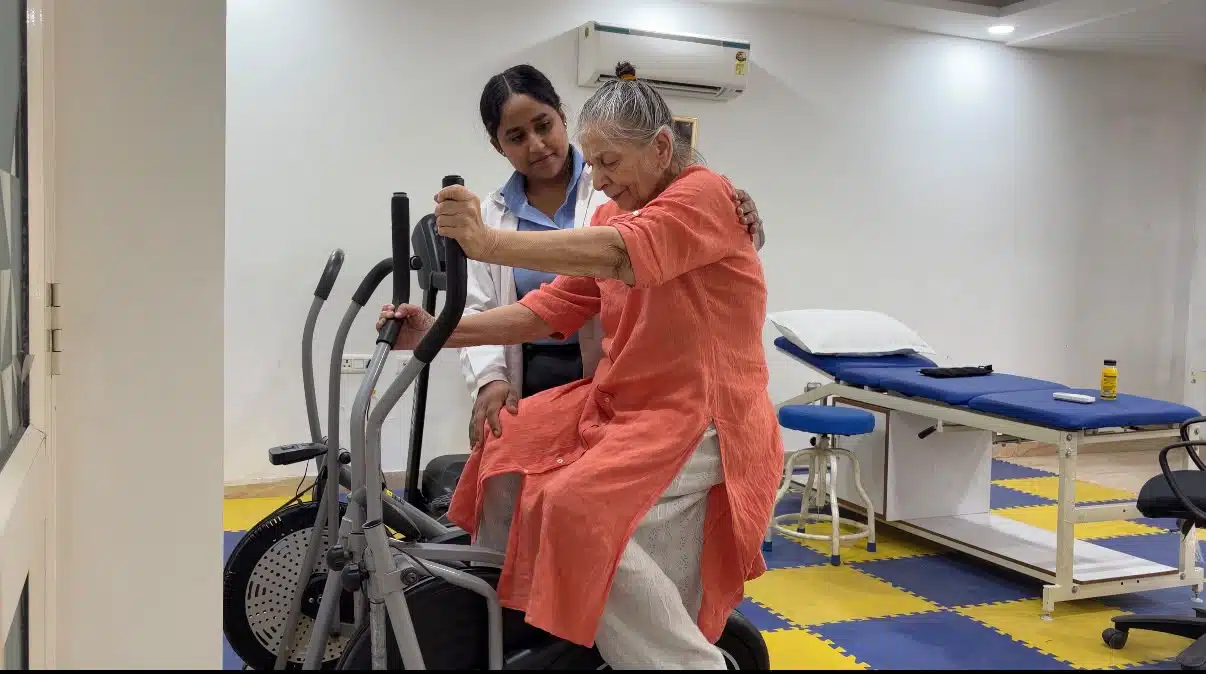
Many families also feel guilt. They worry that assisted living means abandoning a parent. In fact, a good assisted living home works the other way. Your parent gets trained care around the clock, regular meals, doctor supervision and people to talk to every day. You get to visit as a son or daughter again, instead of as a full time carer.
What to do once you notice the pattern
- Write down what you see. Note each sign, the date and how often it happens. A clear record helps the doctor and the rest of the family.
- Talk to your parent’s doctor. A doctor can tell normal ageing apart from a real safety concern.
- Start the conversation early. Talk calmly and in small steps. Do not wait for a crisis.
- Visit in person. Tour a home like Gracias Living’s assisted living with your parent. The idea feels less frightening once it becomes real.
- Try a short stay first. A respite stay lets your parent experience daily life in a care home before any long term decision.
- Understand the costs. Our guide on how much senior living costs and our pricing page explain what to expect.
- Keep your parent involved. A move goes better when your parent helps make the choice.
How Gracias Living supports families at this stage
Many families call us with no decision made. Instead, they have a list of small, growing worries. Our team, led by Dr. Vishal Siwach and Dr. Chitra Anand, listens to what you see and helps you choose the right next step. That could be assisted living, dementia care, a short respite stay, or simply a calm conversation with your parent.
- Two centres in Gurgaon, at DLF Phase 3 and Sector 43.
- Same day admission straight from hospital after discharge.
- No security deposit for short stays of up to three weeks.
- Your parent brings only clothes, toiletries and their own medicines. We handle the rest.
- 233+ families have trusted us with the care of their parents.
Noticing these signs in your parent?
Talk to our team. We will help you make sense of what you see. No pressure, and no decision needed today.
Call +91 87004 84949 WhatsApp UsFrequently Asked Questions
What are the clearest signs it is time for assisted living?
Repeated falls, medicine mistakes, trouble with bathing or dressing, unexplained weight loss, a neglected home, memory lapses with safety risks, growing isolation and an exhausted family caregiver are the clearest signs. Several signs together over a few months matter more than any single one.
Is one fall enough reason to consider assisted living?
One fall alone may not be. A pattern of falls, or repeated near falls during daily tasks, shows that living alone has become unsafe. Talk to your parent’s doctor after any fall.
How do I know if memory lapses are normal ageing?
Occasional forgetfulness is common with age. Lapses with safety risks, such as leaving the stove on or getting lost on a familiar route, need a doctor’s assessment.
Is caregiver burnout a valid reason to consider assisted living?
Yes. When a family caregiver is exhausted and their own health, work or relationships suffer, more support helps both the caregiver and the parent.
Why does weight loss matter in older adults?
Unplanned weight loss often means a parent has stopped cooking or shopping. It can also point to illness. Tell the doctor about any weight loss you notice.
My parent lives alone and I live in another city. What should I do?
Ask a neighbour or relative to check in regularly, use video calls to see the home and your parent, and visit when you can. When you notice several signs, talk to the doctor and explore assisted living options early.
Is moving a parent to assisted living the same as abandoning them?
No. Assisted living gives your parent trained care around the clock, regular meals, doctor supervision and daily social contact. Families stay closely involved and visit often.
Can my parent try assisted living before we decide?
Yes. Many families start with a short respite stay. At Gracias Living, short stays of up to three weeks need no security deposit.
Can Gracias Living admit my parent straight from hospital?
Yes. Gracias Living can admit your parent on the day of discharge, so recovery continues with round the clock support.
Are seniors with memory issues more vulnerable to scams?
Yes. Memory changes raise the risk of scams and financial exploitation. Watch for unusual bank activity and review statements together.
What should I do first if I notice several signs?
Write down what you see, talk to your parent’s doctor, start a calm conversation with your parent and visit a home in person before deciding.
How can Gracias Living help before we decide?
Our team talks through what you are seeing, with no pressure and no decision needed. We help you choose the right next step for your parent.