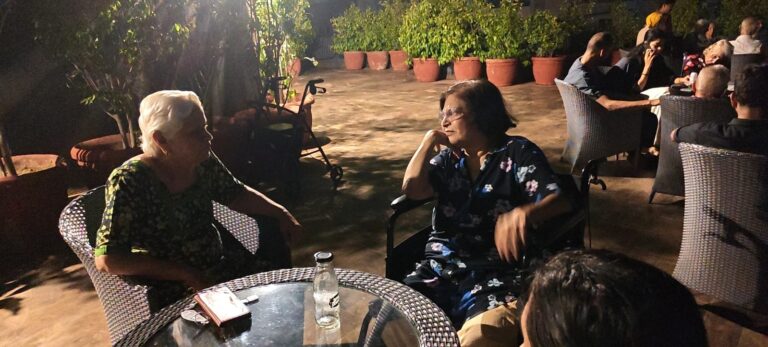

Discover how modern assisted living in India helps older adults remain safe, supported, independent, and meaningfully engaged in this new era of senior care
Yes, assisted living is available in India and is becoming an important option for families seeking dependable senior care. It provides older adults with a comfortable residential setting, help with daily activities, medication management, nursing support, nutritious meals, safety measures, and meaningful social engagement. Unlike traditional old-age homes, modern assisted living aims to preserve a senior’s independence, dignity, and personal choices while providing the level of support they need.
Assisted Living in India at a Glance
| What it is | A residential care option that combines independent living with personalised everyday support. |
|---|---|
| Who it supports | Older adults who need help with personal care, mobility, medication, meals or daily routines. |
| Support available | Trained caregivers, nursing support, healthcare coordination, nutritious meals and emergency readiness. |
| Daily life | Residents follow comfortable routines and participate in exercise, hobbies, celebrations and social activities. |
| Main purpose | To protect safety and wellbeing while preserving dignity, independence and personal choice. |
| Availability | Modern assisted living homes are available across major Indian cities, including Gurgaon, Delhi NCR, Bengaluru, Pune and Chennai. |
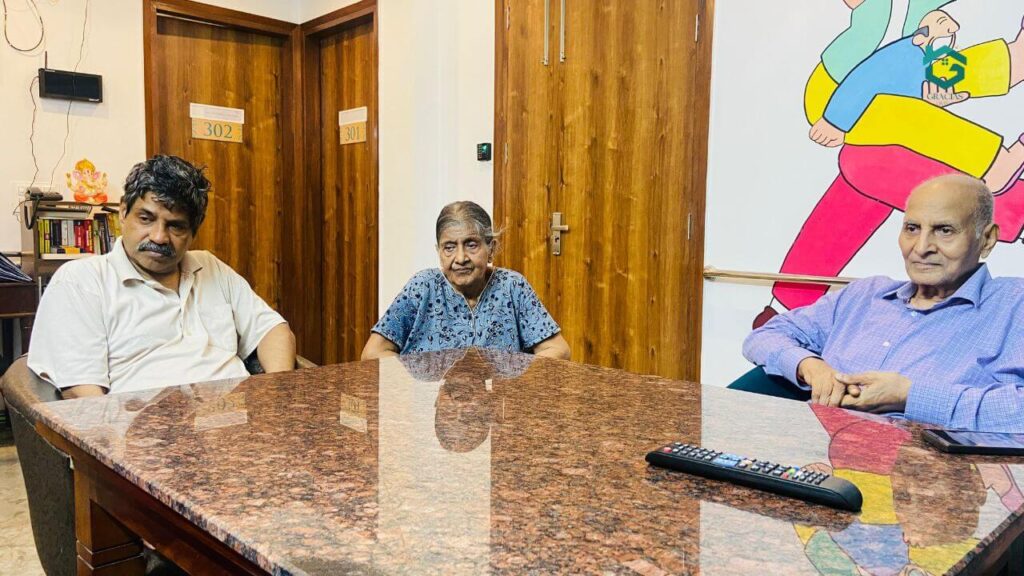
Is there Assisted Living in India? Most Indian families still associate assisted living with old-age homes for senior care.
What Is Assisted Living in India?
Assisted living in India is a residential care model for older adults who need regular support but do not require continuous hospital care. It offers assistance with daily activities, health monitoring, medication management, nutritious meals, and mobility, while helping residents maintain their independence and quality of life.
The level of support is tailored to each resident’s health, daily routine, and personal preferences. Some seniors may only need medication reminders, healthy meals, and a safe, supportive environment. Others may benefit from help with bathing, dressing, walking, toileting, or managing long-term health conditions. The focus is always on providing the right level of care while encouraging independence wherever possible.
A well-managed assisted living home usually provides:
- Comfortable private or shared rooms
- Assistance with personal hygiene and dressing
- Medication reminders and administration
- Nursing support and regular health monitoring
- Nutritious meals based on individual dietary needs
- Mobility support and fall prevention
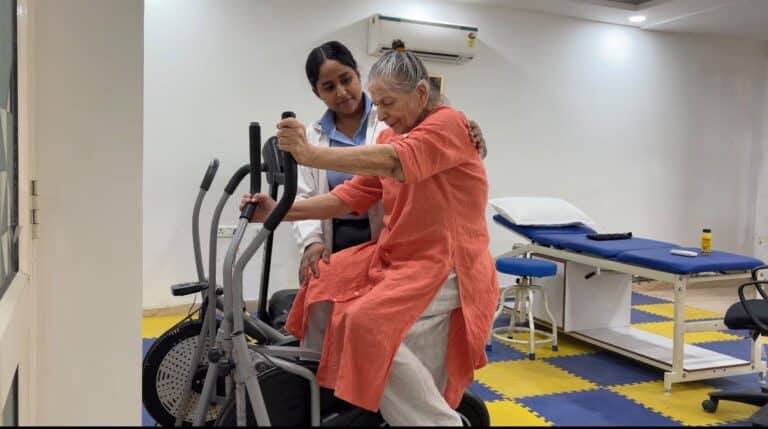
- Physiotherapy and rehabilitation when required
- Emergency response and hospital coordination
- Social activities, exercise and meaningful engagement
- Regular communication with family members
Assisted living should not make older adults feel like patients. The purpose is to provide dependable support within a warm, respectful home where seniors can make choices, follow familiar routines, form friendships and continue enjoying everyday life.
How Is Assisted Living Different from an Old Age Home and Home Care?
Assisted living provides accommodation, personalised support, safety, healthcare coordination, and meaningful daily engagement in a professionally managed residential setting. Unlike a traditional old age home, which often focuses on accommodation and basic amenities, assisted living is designed to support seniors who need help with everyday activities while encouraging them to remain as independent as possible.
Home care, on the other hand, allows seniors to stay in their own homes with support from visiting caregivers or live-in attendants. Since the quality and range of services can differ from one provider to another, families need to evaluate the care model, staffing, medical support, and overall environment before making a decision.
| Care factor | Assisted living | Traditional old age home | Home care |
|---|---|---|---|
| Living arrangement | Purpose designed residential home | Shared or private residential accommodation | Senior remains in their own home |
| Personal assistance | Planned support based on individual needs | May be basic or limited, depending on the home | Provided by an attendant or visiting caregiver |
| Nursing support | Often available throughout the day and night | Availability varies by provider | Requires a separately appointed nurse when needed |
| Health coordination | Medication, monitoring, doctor visits and emergencies are coordinated | Usually depends on the services offered | Managed mainly by the family |
| Safety | Senior friendly spaces, supervision and emergency response | Safety features differ across homes | The family may need to modify the residence |
| Meals | Regular meals adapted to health and dietary needs | Standard meals are commonly provided | Prepared by family members, domestic staff or a cook |
| Social engagement | Planned activities, shared meals and companionship | May offer group activities and celebrations | Depends on family visits and outside participation |
| Service coordination | One team manages most everyday care needs | Depends on the home’s staffing and care model | Family coordinates attendants, nurses, doctors and therapists |
10 Benefits of Choosing Assisted Living in India
Assisted living can improve a senior’s safety, health, and overall quality of life while easing the caregiving responsibilities of family members. One of its biggest advantages is that personal care, nursing support, nutritious meals, mobility assistance, social activities, and emergency response are all coordinated through a personalised care plan.
- Support with everyday activities: Trained caregivers assist with bathing, dressing, grooming, toileting, and other daily tasks while respecting each resident’s dignity and independence.
- Greater safety: Senior-friendly living spaces, regular supervision, and fall prevention measures help reduce the risks often associated with living alone.
- Medication management: Care teams ensure medications are taken on time and in the correct dosage, while keeping families informed of any concerns.
- Nursing and health monitoring: Regular health checks help identify changes early, allowing timely medical attention when needed.
- Nutritious meals: Fresh, balanced meals are prepared according to each resident’s dietary needs, health conditions, and personal preferences.
- Mobility and rehabilitation support: Physiotherapy, guided exercise, and mobility assistance help seniors maintain strength, balance, and confidence.
- Companionship and social connection: Shared meals, group activities, celebrations, and everyday conversations help reduce loneliness and encourage meaningful relationships.
- A structured daily routine: Consistent schedules for meals, medication, rest, and activities create a sense of stability while allowing residents to make their own choices.
- Emergency preparedness: Trained staff, established emergency protocols, and hospital coordination ensure prompt support during medical emergencies.
- Peace of mind for families: Families can focus on spending quality time with their loved ones instead of managing caregivers, medications, appointments, and daily care arrangements.

Why Is Assisted Living Growing in India?
Assisted living is growing in India because more people are living longer while families are becoming smaller, more mobile, and geographically separated. Older adults also want care options that provide safety and support without taking away their independence.
According to the India Ageing Report 2023, India had approximately 149 million people aged 60 and above in 2022. This represented 10.5% of the population. By 2050, the number is projected to reach 347 million, or 20.8% of the population. This demographic change will increase the need for organised, dependable, and senior-focused care. Source: UNFPA India Ageing Report 2023.
Several changes are contributing to this demand:
- Adult children often live in another city or country.
- Working families may not be able to provide continuous supervision.
- Seniors are living longer with chronic health conditions.
- Finding and coordinating reliable caregivers at home can be difficult.
- Older adults increasingly value privacy, independence and meaningful social interaction.
- Families want professional care that can adapt as their parent’s needs change.
Modern assisted living homes are therefore emerging in cities such as Gurgaon, Bengaluru, Pune, Chennai and Hyderabad. These homes aim to bring accommodation, personal care, nursing support, meals, safety and companionship together within one organised care system.
What Does New Age Assisted Living in India Include?
New age assisted living brings personal care, health support, hospitality, safety and meaningful engagement together within one coordinated system. Instead of expecting families to manage separate attendants, nurses, cooks and therapists, one care team takes responsibility for the resident’s everyday wellbeing.
Modern assisted living homes may include:
- Individual care assessment: The team understands the senior’s health, mobility, daily abilities, diet, medication and emotional needs before planning support.
- Personalised care plan: Assistance is adjusted according to what the resident can do independently and where help is genuinely required.
- Support with daily activities: Caregivers assist with bathing, dressing, grooming, toileting, eating and movement while protecting privacy and dignity.
- Nursing and medication support: Nurses monitor health, manage medication and coordinate with doctors when concerns arise.
- Nutritious meals: Fresh meals are planned around medical conditions, dietary restrictions and personal preferences.
- Physiotherapy and mobility support: Guided movement helps residents maintain strength, balance and confidence or recover after an illness or hospital stay.
- Purposeful daily engagement: Exercise, music, art, games, conversations, celebrations and spiritual activities help residents remain active and socially connected.
- Senior-friendly surroundings: Handrails, accessible bathrooms, non-slip flooring and supervised movement help reduce everyday risks.
- Emergency preparedness: Trained staff, response protocols and hospital coordination provide support during urgent situations.
- Family communication: Regular updates help family members understand changes in health, routine, participation and overall wellbeing.
Technology may also support digital health records, emergency call systems, remote consultations and timely communication with families. However, technology should strengthen human care, not replace personal attention, observation and companionship.

Does Choosing Assisted Living Mean Abandoning Your Parent?
No. Choosing assisted living does not mean abandoning a parent.
THE SIMPLE ANSWER
No. Choosing assisted living does not mean abandoning your parent. It can be a responsible and loving decision when they need more safety, supervision and everyday support than the family can consistently provide at home.
Love is not measured only by whether a parent lives under the same roof. It is also reflected in the quality of care, attention, safety and companionship they receive every day.
A parent may live with family and still spend long hours alone. Medicines may be missed, mobility may decline and different attendants may provide care without one person overseeing the complete plan.
A good assisted living home does not replace the family. It manages demanding care responsibilities so family members can return to being sons, daughters and companions.
Choose care with your parent, not simply for them. Listen to their concerns, involve them in decisions and select a home where they feel respected, comfortable and included.
How Much Does Assisted Living Cost in India?
Assisted living in India can cost approximately ₹30,000 to ₹1,50,000 or more per month. The final amount depends on the city, accommodation, level of personal care, nursing requirements and services included. Professionally managed assisted living homes in metropolitan areas generally cost more because of higher staffing, property and healthcare coordination expenses.
The monthly fee may include:
- Shared or private accommodation
- Personal care and mobility assistance
- Meals and snacks
- Nursing support
- Medication management
- Housekeeping and laundry
- Daily activities
- Basic health monitoring
- Emergency assistance
Families should also ask about expenses that may be charged separately, such as medicines, physiotherapy, diagnostic tests, specialist consultations, dedicated attendants, medical equipment and hospital transport.
At Gracias Living in Gurgaon, assisted living currently starts at ₹66,500 per month for twin-sharing accommodation. The final fee depends on the room type and the resident’s assessed care needs. Families can view the latest inclusions, deposits and optional charges on the Gracias Living pricing page.
What Challenges Does Assisted Living in India Still Face?
Assisted living in India is growing, but the sector still faces challenges related to inconsistent service standards, trained staff, affordability, public awareness, and clear regulation. Families may find that different providers use the term “assisted living” for very different levels of care.
Key challenges include:
- No uniform definition: One home may provide only accommodation and meals, while another includes nursing, medication management and personal care.
- Inconsistent care standards: Staffing, training, safety protocols and healthcare support can vary considerably between providers.
- Shortage of trained professionals: Quality senior care requires caregivers and nurses who understand ageing, mobility limitations, dementia and respectful communication.
- Limited availability: Professionally managed assisted living options remain concentrated in major cities and may be difficult to access in smaller towns.
- Affordability: Comprehensive residential care can be expensive, particularly when a senior needs intensive support or a dedicated attendant.
- Social stigma: Some families still associate assisted living with abandonment, which can delay planning until a crisis occurs.
- Lack of transparency: Starting prices may not clearly show additional expenses for medicines, physiotherapy, medical tests, attendants or specialised care.
NITI Aayog has also highlighted the need to strengthen senior care in India through better standards, trained manpower, age-friendly infrastructure and improved care services. Families can read the official Senior Care Reforms in India report.
How Gracias Living Provides New Age Assisted Living in Gurgaon
Gracias Living provides personalised assisted living at its Blossom home in Sector 43 and Zinnia home in DLF Phase 3, Gurgaon. Both locations support older adults who need help with everyday activities, health monitoring, medication, mobility, nutrition and social engagement.
Every resident receives an individual care plan based on their health, abilities, routine and personal preferences. Support can be adjusted when the resident’s needs change, helping families avoid the disruption of repeatedly arranging new caregivers and services.
Key features include:
- Caregiver support with a daytime ratio of 1:6
- Nurses available throughout the day and night
- Medication management and regular health monitoring
- Doctor consultations and emergency coordination
- Fresh vegetarian meals adapted to individual needs
- Physiotherapy and rehabilitation when required
- Daily exercise, music, games, celebrations and social activities
- Regular communication with family members
- Support for assisted living, dementia care, post-stroke rehabilitation, post-operative recovery and palliative care
Gracias Living is designed to feel like a comfortable home rather than a hospital. Residents receive professional support while continuing to make choices, follow familiar routines, build friendships and remain closely connected with their families.
Families can explore assisted living in Gurgaon and Delhi NCR or schedule a visit to understand which level of support may suit their parent.
The Future of Senior Living in India
Assisted living has taken root in India. It now stands as a real and needed option for urban families. These homes offer care, provide community, wellness, freedom, and peace.
Gracias Living leads this change in Gurgaon. It sets a gold standard for how India must care for its elders. The question no longer remains, “Is there assisted living in India?”
The answer stays loud and clear: Yes, and it is changing lives.
Visit Gracias Living for the best assisted living experience in India. See how assisted living can help your parent feel happy, safe, loved, and alive again.
Frequently Asked Questions
1. What does the new term old/elderly mean?
2. What are senior care technological methods?
3. What are the differences between assisted living and traditional old-age homes?
4. Is it possible to retain autonomy among the elderly when living in an assisted facility?
5. Does it have short-term or trial stay services?