
Understand the different senior care options in India and choose the right level of support for yourself or your loved one.
The right senior living care type becomes clearer when you identify what the person can no longer manage safely on their own. A healthy senior seeking freedom from household responsibilities may prefer independent living. Someone who struggles with bathing, dressing, medication, or moving around may need assisted living. Repeated confusion, wandering, or behavioural changes point towards specialised dementia care, while ongoing medical supervision may require skilled nursing care.
Senior Living Care Fits at a Glance
| What Daily Life Looks Like | Care Type to Explore | Primary Purpose |
|---|---|---|
| Manages personal care independently but wants a secure and socially active lifestyle | Independent Senior Living | Convenience, companionship and freedom from household responsibilities |
| Needs regular help with bathing, dressing, medication, meals or mobility | Assisted Living | Everyday support while preserving personal choice and independence |
| Experiences memory loss, confusion, wandering, anxiety or behavioural changes | Dementia or Memory Care | A secure setting, familiar routines and specialised dementia support |
| Requires frequent clinical monitoring because of illness, disability or complex medical needs | Skilled Nursing Care | Nursing supervision and coordinated medical support |
| Is recovering after a stroke, surgery, fracture, hospital stay or serious illness | Short Term Rehabilitation Care | Focused recovery before returning home or choosing long term support |
India’s senior population is growing rapidly, with projections indicating that by 2050, nearly 20% of India’s population will be aged 60 and above, compared to just 8.6% in 2011 (Census 2011). With an increase in life expectancy and a rise in nuclear families, the demand for organized senior care facilities is on the rise. However, the choices remain limited compared to Western countries.
Currently, over 70% of Indian seniors live with their families, but urbanization and changing social structures have led to an increasing need for professional senior care options. According to a report by the Confederation of Indian Industry (CII), the senior care industry in India is expected to grow at a CAGR of 15% over the next decade.
Families often rely on traditional home care, but as mobility issues, chronic illnesses, and cognitive decline become prevalent, organized senior living facilities are gaining traction. Understanding available options can help families make informed decisions based on their needs and financial capacity.

First, Understand the Difference Between Senior Living and Senior Care
The terms sound similar, but they address two very different needs. Understanding this distinction can prevent families from choosing a place that looks suitable but cannot provide the required support.
Senior Living
Senior living is mainly a lifestyle choice for older adults who can manage their personal care but want an easier, safer and more socially connected life.
- Freedom from home maintenance
- Opportunities for friendship and activities
- Senior friendly spaces and emergency support
- Privacy with access to shared amenities
Best suited to active and largely independent seniors.
Senior Care
Senior care becomes necessary when an older adult needs regular help to manage daily life safely, comfortably and with dignity.
- Help with bathing, dressing and mobility
- Medication and nursing support
- Specialised dementia care
- Recovery support after illness or hospitalisation
Best suited to seniors who need consistent personal or clinical support.
Understanding Senior Living Options in India
1. Independent Senior Living Communities
Best For: Active seniors who want a hassle-free, community-oriented lifestyle with minimal assistance.
Independent senior living communities in India cater to elders who can manage daily activities but prefer a secure and socially engaging environment. Features include:
- Private apartments or villas within gated communities
- Housekeeping, laundry, and maintenance services
- Community dining and social events
- Access to healthcare and emergency response services
- Recreational and spiritual activities
Examples in India:
- CovaiCare (Coimbatore)
- Antara Senior Living (Dehradun, Noida)
- Serene Senior Living by Columbia Pacific (Multiple cities)
Pros:
- Provides a safe and engaging community for seniors
- Reduces household responsibilities
- Encourages independence while ensuring basic support
Cons:
- Limited availability, mostly in metro cities
- Can be expensive depending on the amenities

2. Assisted Living Facilities
Best For: Seniors who need help with daily tasks like dressing, bathing, and medication management but do not require full-time medical care.
Assisted living in India is still emerging, with only a few organized facilities available. Services typically include:
- Personal care assistance
- Nutritious meals and dietary support
- Housekeeping and laundry services
- 24/7 security and emergency medical support
- Wellness and recreational programs
Examples in India:
- Gracias Living (Gurgaon)
- Kshetra Assisted Living (Hyderabad, Pune)
- Epoch Elder Care (Gurgaon, Pune)
Pros:
- Provides necessary assistance while allowing some independence
- Offers safety and medical care support
- Social engagement through group activities
Cons:
- Limited options, mostly found in major cities
- Higher costs compared to home-based care
3. Dementia and Memory Care Homes
Best For: Seniors with Alzheimer’s, dementia, or cognitive impairments who need specialized care and a secure environment.
Memory care facilities in India are rare, but a few specialized centers offer services such as:
- 24/7 supervision and security
- Structured routines to reduce confusion
- Trained caregivers for dementia care
- Cognitive stimulation activities like music and art therapy
- Specially designed spaces to minimize disorientation
Examples in India:
- Gracias Living (Gurgaon) – Specialized dementia and memory care services
- Epoch Elder Care (Delhi NCR, Pune, Mumbai)
- Dignity Dementia Day Care Centre (Mumbai)
Pros:
- Provides specialized care for memory-related disorders
- Ensures a secure environment to prevent wandering
- Tailored therapies to support cognitive health
Cons:
- Very limited availability in India
- High costs compared to general senior care homes
4. Old Age Homes and Nursing Care Facilities
Best For: Seniors requiring full-time medical supervision, including those with chronic illnesses or disabilities.
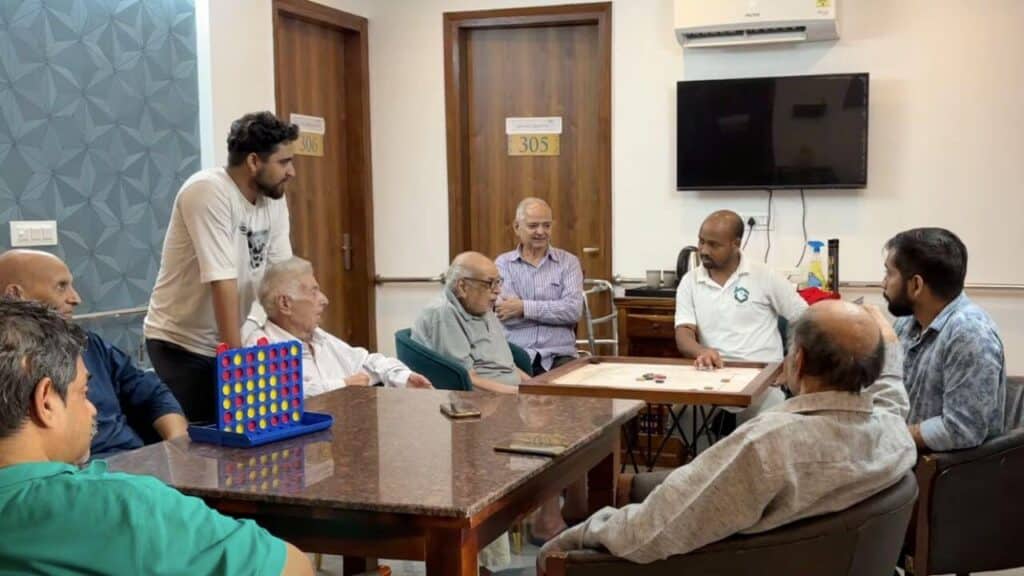
Nursing homes or old age homes in India cater to those who need intensive medical care. They offer:
- 24/7 medical supervision
- Assistance with all daily activities.
- Physiotherapy and rehabilitation services
- Nutritious meals and diet management
- Emergency response services
Examples in India:
- HelpAge India-run homes across India
- Nightingale Elder Care (Bangalore, Hyderabad)
- Anandam Senior Living (Tamil Nadu)
Pros:
- Suitable for those needing long-term medical care
- More affordable than private hospitals
- Some homes offer subsidized care for economically weaker seniors
Cons:
- Often overcrowded and lacking in quality infrastructure
- Emotional distress due to separation from family
How to Choose the Best Senior Living Option in India
Since choices are limited, selecting the right senior living arrangement requires careful consideration:
1. Assess the Level of Care Needed
- If the senior is independent, an Independent Living Community is ideal.
- If assistance with daily activities is required, Assisted Living is a better choice.
- For dementia-related needs, Memory Care Homes are necessary.
- If medical care is essential, Old Age Homes/Nursing Facilities are the best option.
2. Consider Financial Constraints
- Private facilities can be expensive; check for government-aided homes if needed.
- Look into insurance policies or retirement plans that cover elder care.
- Compare costs between home-based caregivers and facility-based care.
3. Proximity to Family and Healthcare Services
- Choose a facility close to family for regular visits.
- Ensure access to hospitals and emergency medical services.
4. Research and Visit Facilities
- Visit multiple homes to assess cleanliness, staff behavior, and amenities.
- Read reviews or speak with existing residents’ families.
- Ask about the caregiver-to-resident ratio and emergency protocols.
5. Evaluate Cultural and Emotional Needs
- Ensure the facility respects religious and cultural practices.
- Check for community engagement and emotional well-being programs.

Final Thoughts
Senior living in India is evolving, offering more choices beyond traditional home care. While Independent Living, Assisted Living, and Memory Care homes exist, availability is limited, especially outside metro cities. Families must carefully assess their loved one’s needs, financial situation, and emotional well-being before deciding.
Choosing the right senior living care in India is crucial for ensuring a safe, comfortable, and fulfilling life for your loved ones. It’s important to consider factors like the quality of care, medical facilities, amenities, and the overall environment. Look for a place that offers personalized care plans, trained staff, and a supportive community.
Exploring the right senior care option can ensure a comfortable, dignified, and fulfilling life for aging loved ones. Consult senior care advisors or medical professionals who can provide valuable guidance if required.
Frequently Asked Questions About Senior Living Care
1. What are the main types of senior living care in India?
The main options include independent senior living, assisted living, dementia care, skilled nursing care, and short-term rehabilitation. Each option provides a different balance of independence, personal assistance and medical support.
2. How do I know which senior living care type my parent needs?
Look at the parts of the day your parent finds difficult. Problems with bathing, dressing, medication, meals or mobility may indicate a need for assisted living. Confusion, wandering or behavioural changes may require specialised dementia care, while complex medical conditions may need nursing support.
3. Is assisted living the same as an old age home?
No. Assisted living provides personalised help with everyday activities while encouraging residents to remain as independent as possible. The term old age home covers a broad range of residential arrangements and does not always indicate the level or quality of care available.
4. Can a senior move into assisted living if they are still independent?
Yes. Some seniors choose assisted living before they need extensive support because they want safety, companionship, and freedom from household responsibilities. Their care plan can begin with minimal assistance and change if their needs increase.
5. When should a family consider dementia care?
Dementia care should be considered when memory loss begins to affect safety, personal care, medication, sleep or behaviour. Repeated wandering, confusion, suspicion, aggression or difficulty recognising familiar surroundings are important warning signs.
6. Is home care better than moving to a senior living home?
Home care may work when support needs are predictable, and the home can be made safe. A senior living home may be more suitable when the person requires round-the-clock supervision, nursing coordination, structured activities, or frequent help throughout the day and night.
7. Can couples move together if they require different levels of care?
Some senior living homes can accommodate couples while creating a separate care plan for each person. Families should confirm whether the home can support both partners if one remains independent and the other needs assisted living or dementia care.
8. Is senior living care available for short-term recovery?
Yes. Short-term care can support seniors recovering after surgery, stroke, fracture, hospitalisation or a serious illness. It may include nursing, medication management, physiotherapy, nutritious meals and assistance with everyday activities until the person is ready to return home.
9. What should families check during a senior living home visit?
Observe how staff members interact with residents, not only how the building looks. Ask about staffing, night supervision, emergency procedures, medication management, meals, activities, hospital access, family updates, and how care plans are reviewed.