
The answer is yes for some people, but not for everyone. Stroke recovery depends on the severity of the stroke, how quickly treatment begins, the area of the brain affected, and the quality of rehabilitation. Many people regain their independence, while others continue to improve through ongoing therapy and consistent practice.
The brain has an extraordinary ability to adapt after a stroke through a process called neuroplasticity. With early rehabilitation, personalised therapy, and regular practice, many patients recover lost skills, improve mobility, regain speech, and return to everyday activities. Recovery looks different for every individual, but meaningful progress remains possible at every stage.
Essential Insights:
- Complete recovery after a stroke is possible for some patients, but recovery varies from person to person.
- Early medical treatment and rehabilitation improve the chances of regaining lost abilities.
- Recovery depends on the severity of the stroke, overall health, and the quality of rehabilitation.
- Physiotherapy, occupational therapy, speech therapy, and continuous medical support work together to improve recovery.
- Gracias Living offers a specialized structured rehabilitation programme that helps patients regain independence and confidence after a stroke.
A stroke just hits out of nowhere. In one split second, the whole world turns upside down, but patching things back together takes a lot of real, slow time. Families call our team all the time asking if a complete recovery is actually a realistic goal. To be totally upfront about it, plenty of seniors do win back every single bit of their old independence. Others learn to live incredibly full lives by adapting to new rhythms. Every single brain is wired differently, you see. Having the right setup around a person changes how the brain mends itself.
At Gracias Living, we see recovery happen every day. Small improvements in movement, speech, balance, and confidence grow into meaningful milestones through expert rehabilitation, practice, and care. Brain healing depends on a neat trick called neuroplasticity. That is really just a fancy, scientific word for the brain’s natural ability to fix its own wiring. It maps out brand new pathways right around the spots that got damaged.
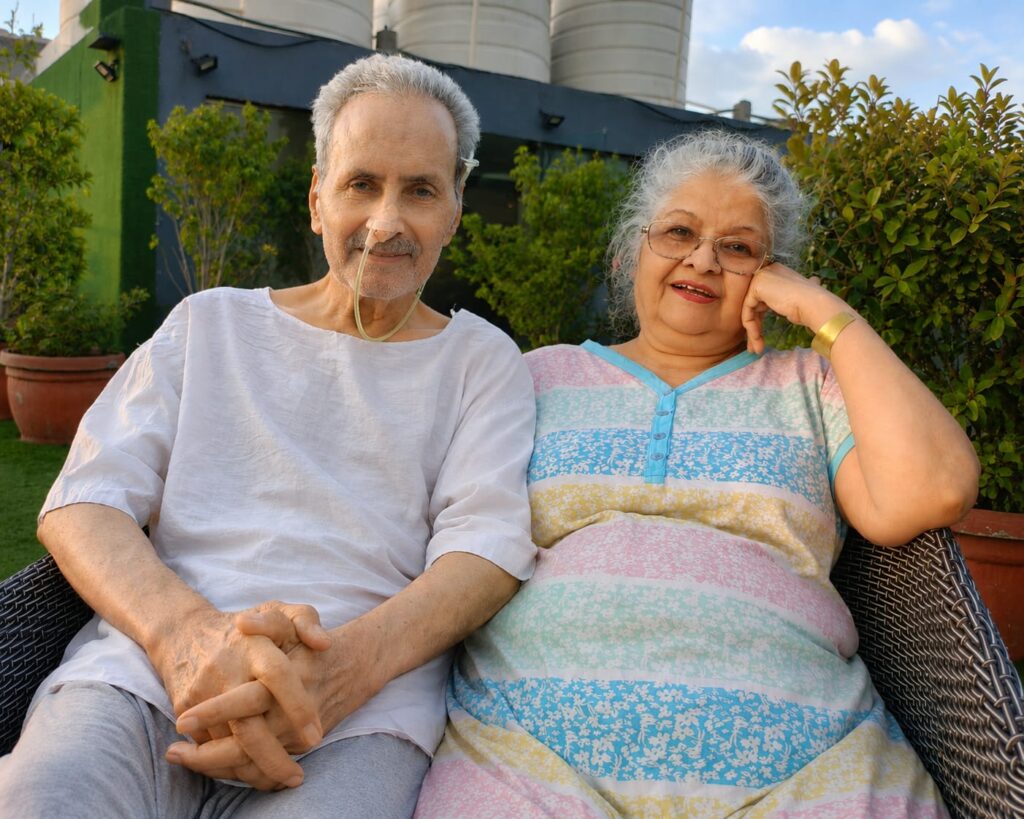
Stroke Recovery: What Improves During Rehabilitation?
Recovery after a stroke involves rebuilding multiple functions. The table below explains the key areas that rehabilitation targets and how each contributes to long-term recovery. Recovery is the result of steady progress across all these areas
Stroke rehabilitation targets muscle strength, it helps patients regain mobility, communication, cognition, swallowing, emotional well-being, and independence. Recovery focuses on rebuilding everyday function and improving quality of life.
| Recovery Goal | Examples |
|---|---|
| Mobility | Walking, climbing stairs, standing, transferring safely |
| Hand Function | Holding a cup, writing, buttoning clothes |
| Speech | Speaking clearly, understanding conversations |
| Swallowing | Eating and drinking safely |
| Cognition | Memory, concentration, planning, judgement |
| Daily Activities | Bathing, dressing, grooming, cooking |
| Emotional Recovery | Confidence, motivation, social interaction |
Understanding the Stroke Recovery Timeline
Stroke recovery follows a different timeline for every individual. The greatest improvements usually occur during the first three to six months, when the brain responds most actively to rehabilitation.
Healing up is never a sprint. It feels way more like a slow, steady walk down a long path. The quickest most noticeable jumps forward typically happen during those first three to six months. Even after that initial window, the brain keeps shifting and getting better for years if you keep up the right daily support.
Key stages of Stroke Recovery
- The First 72 Hours: Getting fast medical attention right away blocks the absolute worst brain damage from spreading.
- Weeks 1 to 12: This is the prime, golden window to retrain stiff limbs and work on slurred speech.
- Month 6 and Beyond: The progress numbers slow down a bit here but the focus shifts to fine-tuning daily skills and keeping up muscle strength.
What Influences Stroke Recovery?
Stroke recovery begins with emergency treatment, but long-term improvement depends on the brain’s ability to adapt through neuroplasticity. Early rehabilitation, repeated practice, and continuous support help patients maximise their recovery potential.
Personalised Therapy Support
Stepping into regular physical and occupational therapy slots helps seniors relearn simple, everyday movements. Doing those tiny, specific muscle movements over and over tells the brain exactly where it needs to fix things.
Round the Clock Care
Constant medical checks keep blood pressure stats steady. This stops brand new health scares before they even get a chance to start up. Our on-site crew at Gracias Living handles every single pill schedule perfectly. That way, residents can just forget the stress and focus entirely on getting strong again.
The Right Environment
Hunting down a good Assisted Living Facility in India means looking for a cozy space that blends real medical backup with true emotional comfort. A warm, welcoming Indian Assisted Living home removes that heavy daily stress. It lets the body spend every bit of its energy supply on getting well.
Tips for Families for Stroke Rehabilitation Support
- Celebrate Small Wins: Seeing a thumb twitch or hearing one single clear word is a massive deal.
- Stay Consistent: A little bit of daily practice works way better than dragging someone through a long, exhausting session once a week.
- Focus on Nutrition: The brain requires excellent fuel to patch itself up, like simple omega-3 fats and fresh greens.
- Prioritise Mental Health: Feeling blue can totally stall physical progress. True love, patience, and emotional care matter just as much as medicine.
A lot of families look closely at a Luxury Old Age Home in Delhi NCR because they want top-tier stroke care without compromises. Having real experts manage the messy daily medical logistics brings a deep sense of peace to the whole family.
Stroke Rehabilitation care at Gracias Living
True care always blends great clinical therapy with deep, genuine love. At Gracias Living, our custom recovery plans focus directly on building back a person’s dignity and daily movement. We provide the safe, accessible rooms, home-cooked meals, and daily high-fives that seniors need to hit their personal goals.
Our beautiful spaces keep seniors totally safe while keeping them moving around every single day. Honestly, it just makes the whole healing journey feel bright, cheerful and full of hope. Our Post-Stroke Rehabilitation Programme Includes:
- Personalised Rehabilitation Plans as per patient’s medical condition, recovery goals, and progress.
- Physiotherapy to improve mobility, balance, muscle strength, coordination, and walking.
- Occupational Therapy to rebuild everyday skills such as dressing, bathing, eating, writing, and other daily activities.
- Speech and Swallowing Therapy to improve communication and support safe eating and drinking.
- 24×7 Nursing Care for monitoring, medication management, and intervention whenever needed.
- Nutrition with meal plans that support healing, strength, and overall recovery.
- Cognitive Rehabilitation to improve memory, attention, problem-solving, and concentration.
- Emotional and Psychological Support to help patients build confidence, stay motivated, and adjust to life after stroke.
The Right Stroke Rehabilitation Makes the Difference
No treatment can reverse every stroke, but the right rehabilitation programme can transform recovery. Massive improvements always happen when you have a dedicated team backing you up. A calm, easy environment gives seniors the absolute best shot at getting their normal lives back.
Gracias Living provides comprehensive post-stroke rehabilitation designed to help every patient achieve their highest potential. Call us today to see how we can walk right beside your family through every single step of this road.