
Rehab after a stroke includes physiotherapy, occupational therapy, speech therapy, cognitive rehabilitation, and psychological support. The right rehabilitation plan depends on the severity of the stroke, the patient’s physical abilities, speech, memory, and overall health. A stroke can affect movement, balance, speech, swallowing, memory, and everyday activities. Rehabilitation helps the brain rebuild lost skills, improve independence, and reduce the risk of long-term disability. Early rehabilitation often leads to faster and better recovery. Key Insights of this article:
- Early rehabilitation shapes long-term recovery. Every day counts after a stroke.
- Targeted therapy restores function through consistent practice.
- A stroke rehabilitation plan delivers consistency for faster recovery.
- Rehab after a stroke includes physiotherapy, occupational therapy, speech therapy, and clinical care.
- Small daily milestones lead to lasting independence in stroke rehabilitation care.
- Stroke rehabilitation turns recovery into measurable progress.
After hospital discharge, it is suggested to continue their recovery in a specialised stroke rehabilitation centre where doctors, physiotherapists, occupational therapists, speech therapists, dietitians, and nurses work together to support every stage of recovery.
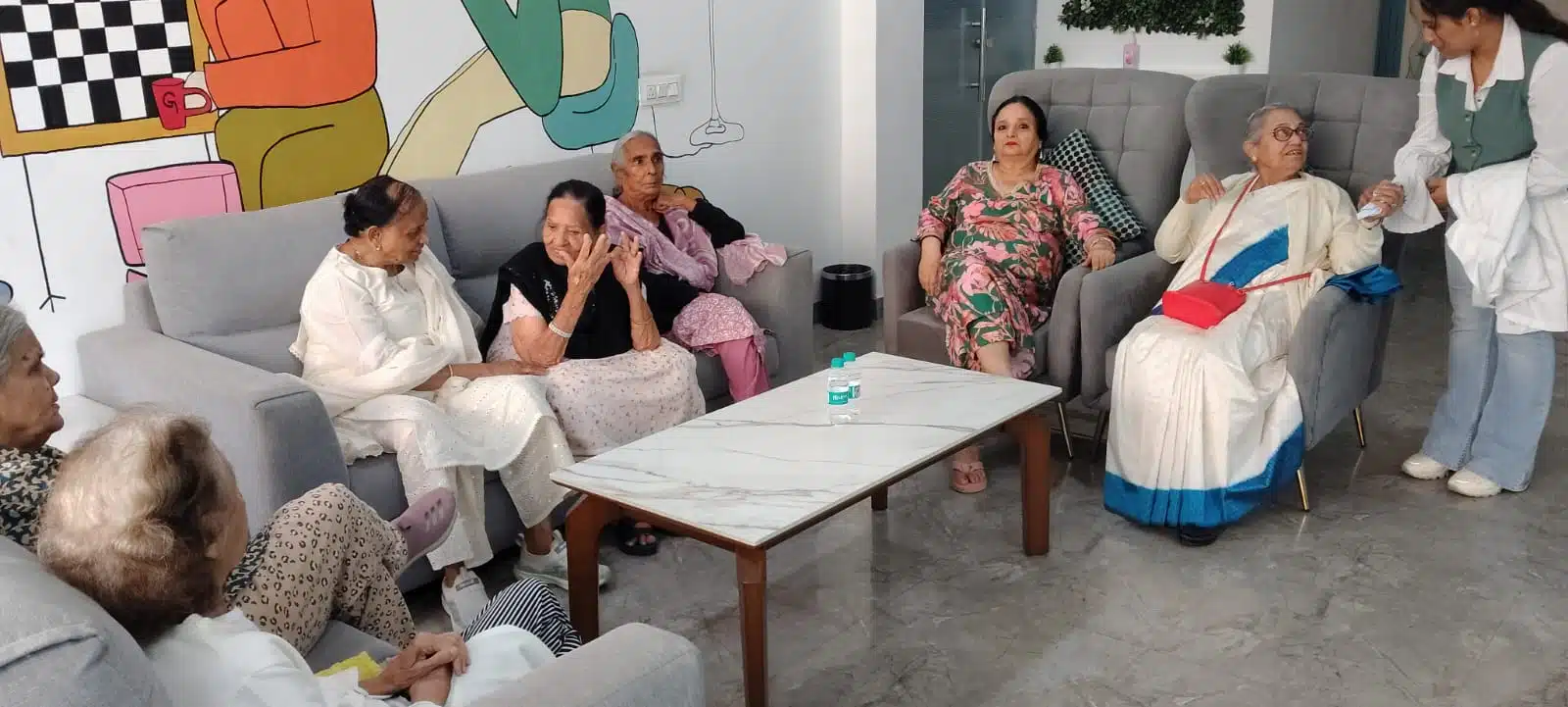
Every small milestone matters after a stroke. Standing without support, taking a few more steps, holding a spoon, or speaking a complete sentence are meaningful victories. Moving into a dedicated Senior Assisted Living helps patients achieve these milestones safely and consistently. Real recovery needs a good mix of intense therapy and a warm, cosy place to rest.
Types of Stroke Rehabilitation After a Stroke
Every stroke affects the brain differently. Some patients struggle with movement, while others experience difficulty with speech, swallowing, memory, or everyday activities. A successful rehabilitation programme combines different therapies to help patients regain lost abilities and improve independence.
Physiotherapy
Physical therapy is all about getting the body moving again. The main goal here is to help seniors find their strength and natural balance.
- Muscle Work: Doing tiny, repetitive movements to wake up sleepy arms and legs.
- Balance Practice: Walking across different floors so they do not trip up.
- Moving Safely: Figuring out how to handle a new walker or steer a wheelchair without getting stuck.
Occupational Therapy
Occupational therapy tackles standard, everyday life skills. It changes basic movements into real, actual freedom.
- Daily Tasks: Practising how to button shirts, wash up, and eat breakfast alone.
- Hand Skills: Twisting fingers to hold a spoon or turn a doorknob easily.
- Brain Fitness: Easy memory games that build up confidence for everyday choices.
Speech and Language Therapy
A stroke often hits the exact spot in the brain that handles talking. Speech therapy helps folks find their regular voice again.
- Mouth Exercises: Working out face muscles so words come out clear instead of jumbled up.
- Safe Swallowing: Super important training to ensure eating food stays totally safe.
- Word Games: Helping the brain connect thoughts to real words during a casual chat.
Why the Right Stroke Recovery Environment Matters?
Therapy lasts for an hour. Recovery continues for the remaining twenty-three. The right recovery environment encourages patients to practise everyday movements, apply newly learned skills, and make steady progress throughout the day.
The brain strengthens new neural pathways through repeated practice. A recovery-focused environment encourages patients to use affected muscles, perform daily activities, and build confidence throughout the day. In contrast, an unsuitable home often reduces movement and slows functional recovery.
Clinical Insight: Research on neuroplasticity shows that repeated, task-specific practice helps the brain reorganize and recover function after stroke.
Our physical Assisted Living Facility gives seniors a setup built from scratch for safety and deep healing. We handle all the tiring, heavy chores. This setup lets residents use every bit of their energy just to get stronger.

Benefits of Professional Stroke Rehabilitation
Having real experts around means the healing process keeps going even when formal therapy time is over. A little extra encouragement keeps small wins moving along every single afternoon.
- Constant Care: Kind nurses watch vital signs and sort out tricky pill schedules perfectly.
- Good Food: Kitchen teams whip up soft, tasty meals that help the body rebuild.
- Friendly Faces: Fun group setups keep minds sharp and lift heavy spirits.
Picking a comfortable Luxury Senior Assisted Living home like Gracias Living means giving your whole family real peace of mind. We balance top-notch healthcare with beautiful, respectful living spaces. This whole-body approach helps seniors win back their personal freedom safely.
Take the First Step Towards Stroke Recovery
Stroke recovery requires the right therapy, consistent practice, and expert guidance. Early rehabilitation improves strength, mobility, communication, and independence.
Strokes bring huge roadblocks, but life can still be filled with bright, happy days. Choosing the right rehabilitation centre can significantly influence recovery after a stroke.
Our staff at Gracias Living provides the exact daily support needed for long-term health. We care about emotional happiness just as much as physical progress. Together, we can help your loved one find their footing and live with real comfort.
Frequently Asked Questions
What type of rehabilitation is needed after a stroke?
Stroke rehabilitation usually includes physiotherapy, occupational therapy, speech and language therapy, swallowing therapy, cognitive rehabilitation, and nutritional support. Doctors recommend a personalised rehabilitation plan based on the patient’s physical, cognitive, and communication needs.
When should stroke rehabilitation start?
Stroke rehabilitation should begin as soon as the patient is medically stable. Early rehabilitation helps improve mobility, speech, balance, and independence while reducing the risk of long-term disability.
How long does stroke rehabilitation take?
Recovery after a stroke varies from person to person. Some patients improve within weeks, while others require rehabilitation for several months. Regular therapy, daily practice, and continuous professional support help achieve better outcomes.
Can stroke patients recover completely?
Many stroke patients regain significant function with timely rehabilitation. The level of recovery depends on the severity of the stroke, early intervention, consistent therapy, overall health, and the patient’s commitment to rehabilitation.
Can stroke patients recover completely?
Many stroke patients regain significant function with timely rehabilitation. The level of recovery depends on the severity of the stroke, early intervention, consistent therapy, overall health, and the patient’s commitment to rehabilitation.
How does Gracias Living support stroke rehabilitation?
Gracias Living provides personalised post-stroke rehabilitation through physiotherapy, occupational therapy, speech therapy, nursing care, nutrition support, and daily functional training. Our multidisciplinary team focuses on helping residents regain independence, confidence, and a better quality of life.