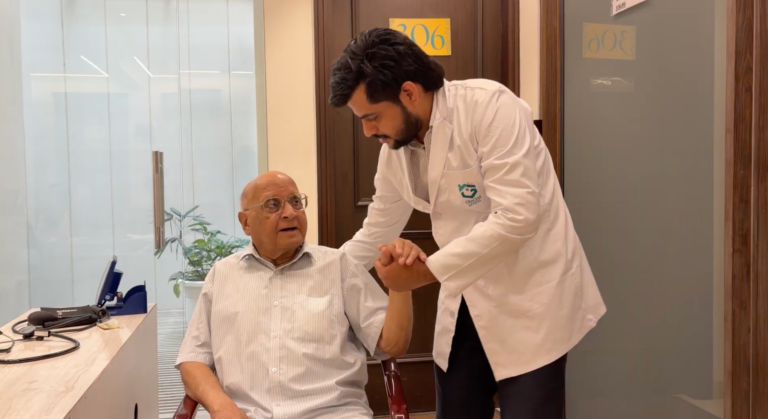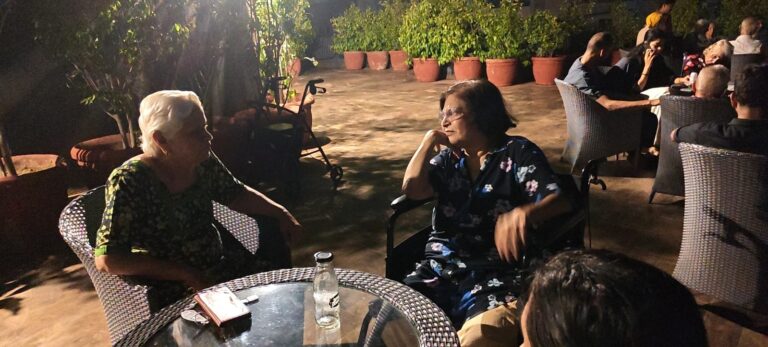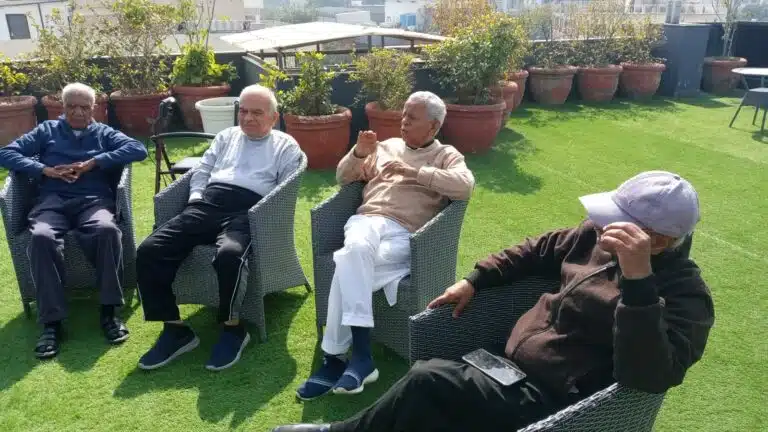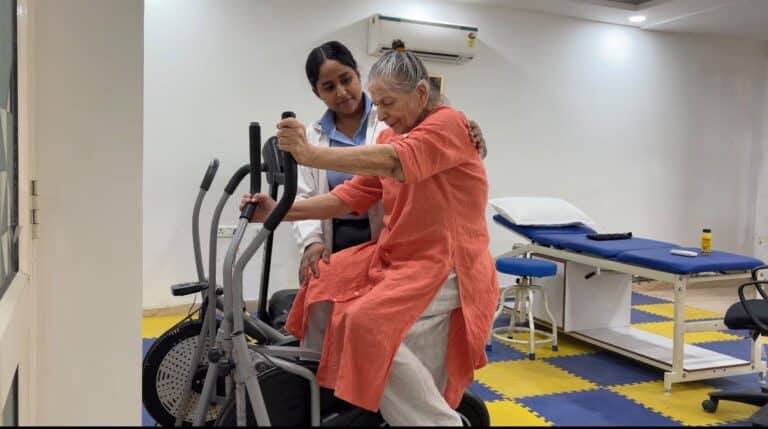

Choosing the right elder care facility for your parents in India involves evaluating medical support, caregiver expertise, safety, living conditions, daily activities, and emotional well-being. Visit the facility, assess staff qualifications, understand the services offered, and choose a place that meets your parents’ health needs while ensuring comfort, dignity, and a better quality of life.
Choosing an Elder Care Facility at a Glance:
| Topic | Quick Overview |
|---|---|
| Best for | Families looking for a safe and reliable elder care facility for ageing parents in India |
| Key Factors | Medical care, trained caregivers, safety, hygiene, amenities, and emotional well-being |
| Care Options | Assisted living, nursing care, memory care, and respite care |
| Who Needs It? | Seniors who need daily assistance, medical supervision, rehabilitation, or companionship |
| Average Cost | Varies by city, level of care, and services offered |
| What You’ll Learn | How to compare facilities, questions to ask, costs to consider, and tips for making the right choice |
Quick Summary of the article:
- Learn how to choose the right elder care facility for your parents in India based on their health, lifestyle, and care needs.
- Understand the different types of elder care facilities, including assisted living, nursing care, memory care, and rehabilitation.
- Discover the essential factors to evaluate, such as medical support, trained caregivers, safety, hygiene, accommodation, and daily activities.
- Compare home care with residential elder care to determine which option best suits your family’s circumstances.
- Find practical questions to ask during a facility visit and common mistakes to avoid before making a decision.
- Make an informed choice that prioritizes your parent’s comfort, dignity, independence, and overall quality of life.
Why Choosing the Right Elder Care Facility Matters
Growing older often brings new challenges, from managing chronic health conditions to needing help with everyday tasks. At the same time, family dynamics in India are changing. With nuclear families becoming more common, busy work schedules, and children living in different cities or countries, providing round-the-clock care at home is not always possible.
Choosing the right elder care facility helps bridge this gap. It provides seniors with access to professional caregivers, timely medical support, nutritious meals, and assistance with daily activities in a safe and comfortable environment. A well-managed elder care facility also meets their healthcare needs.
Why Choosing the Right Elder Care Facility Matters
| Factor | Why It Matters |
|---|---|
| India’s ageing population and Changing Family Structures | India’s elderly population is growing, while nuclear families, busy work schedules, and migration have made full-time caregiving at home more challenging. This has increased the need for reliable elder care facilities that provide continuous support. |
| Growing Preference for Professional Elder Care | Professional elder care facilities offer trained caregivers, medical supervision, nutritious meals, assistance with daily activities, and emergency support. They help seniors receive consistent care while giving families peace of mind. |
| Supporting Physical, Emotional, and Social Well-being | The right facility focuses on more than healthcare. Regular exercise, balanced nutrition, engaging activities, and opportunities for social interaction help seniors maintain their physical health, emotional well-being, and overall quality of life. |
| Improving Quality of Life | A safe, comfortable, and supportive environment allows older adults to live with dignity and independence. Personalized care, accessible infrastructure, and meaningful daily routines help seniors stay active, connected, and secure. |

How Do You Know When Your Parent Needs an Elder Care Facility?
Your parent may need an elder care facility if they struggle with daily activities, experience frequent falls, require regular medical supervision, show signs of memory loss, feel socially isolated, or if family caregivers are unable to meet their growing care needs. Recognizing these signs early helps ensure they receive timely and appropriate support.
Common Signs Your Parent May Need Professional Elder Care
🛁 Difficulty with daily activities
If your parent struggles with bathing, dressing, cooking, eating, or taking medications on time, they may benefit from daily assistance and supervised care.
🚶 Frequent falls or mobility issues
Repeated falls, poor balance, or difficulty walking increase the risk of serious injuries and indicate the need for a safer, more accessible living environment.
🩺 Chronic medical conditions
Conditions such as diabetes, heart disease, Parkinson’s disease, or stroke often require regular monitoring, medication management, and timely medical support.
🧠 Memory loss or dementia
Forgetfulness, confusion, wandering, or repeating conversations may be early signs of dementia or Alzheimer’s disease, requiring specialized memory care.
🤝 Social isolation or loneliness
A lack of social interaction, loss of interest in hobbies, or spending most of the day alone can negatively affect a senior’s emotional and mental well-being.
💙 Caregiver burnout
When family members feel physically exhausted or emotionally overwhelmed while providing care, professional elder care offers the support needed for both seniors and caregivers.
💡 Did You Know? Early recognition of frequent falls, mobility, memory, or health challenges allows families to plan the right care before these issues affect a senior’s safety and independence.
What is Private Home Elderly Care?
An Elder care facility is a residential community that provides older adults with professional care, medical support, assistance with daily activities, nutritious meals, and opportunities for social engagement. Depending on a senior’s health and care needs, these facilities offer services ranging from assisted living and nursing care to memory care and rehabilitation.
Understanding Elder Care Facilities
An elder care facility is designed to support seniors who need help with daily living, ongoing medical supervision, or a safe and engaging environment. These facilities combine professional healthcare with personalized assistance, allowing older adults to maintain their independence while receiving the care they need.
Elder care facilities provide round-the-clock support from trained caregivers, regular health monitoring, balanced meals, housekeeping, recreational activities, and emergency medical assistance. The goal is to improve a senior’s overall quality of life while offering families confidence that their loved one is receiving consistent and compassionate care.
💡 Did You Know? Many modern elder care facilities are designed to promote active ageing through wellness programs, social activities, physiotherapy, and personalized care plans, helping seniors remain healthier and more independent for longer.
What Are the Different Types of Elder Care Facilities in India?
The main types of elder care facilities in India include assisted living, nursing care, memory care, rehabilitation care, respite care, and independent senior living. Each option is designed to meet different health, mobility, and lifestyle needs, allowing families to choose the level of care that best suits their loved one.
| 🏡 Type of Elder Care | Best Suited For |
|---|---|
| Assisted Living | Seniors who are largely independent but need help with daily activities such as bathing, dressing, medication management, or meals. |
| Nursing Care | Older adults with chronic illnesses, post-surgical recovery needs, or conditions requiring 24/7 medical supervision. |
| Memory Care | Seniors living with Alzheimer’s disease or other forms of dementia who need specialized care, structured routines, and a secure environment. |
| Rehabilitation Care | Individuals recovering from a stroke, fracture, surgery, or serious illness who require physiotherapy and medical rehabilitation. |
| Respite Care | Seniors who need short-term professional care while family caregivers are away or taking a break. |
| Independent Senior Living | Active older adults who want a maintenance-free lifestyle with access to amenities, security, and social activities while living independently. |
- Assisted Living Homes: Assist in performing fees, including bathing, dressing, and dietary provisions, but give the elderly some autonomy.
- Nursing Homes: 24/7 medical care is best suited for seniors who are chronically sick or those recuperating after surgery.
- Memory Care Guy: Specialises in the care of people with dementia or Alzheimer’s, providing safety-oriented and cognitive support.
- Luxury Senior Living Homes: Senior homes are an option that offers luxurious conditions to retirees, such as fitness rooms, lounge areas, and fine dining.

Why Choose an Elder Care Facility for Your Parents in India?
An elder care facility in India provides seniors with professional medical support, trained caregivers, nutritious meals, a safe living environment, and opportunities for social engagement.
Why Families Choose Professional Elder Care
Choosing an elder care facility is about improving a senior’s quality of life apart from family care. A well-managed facility offers personalized support, healthcare services, and a secure environment that helps older adults live with comfort, dignity, and independence.
Key Benefits of an Elder Care Facility
| 🌟 Benefit | How It Helps Seniors |
|---|---|
| 🩺 24/7 Medical Support | Doctors, nurses, and trained caregivers are available to monitor health, manage medications, and respond quickly during emergencies. |
| 🏠 Safe and Comfortable Living | Features such as wheelchair-friendly spaces, emergency response systems, CCTV surveillance, and fall prevention measures create a secure environment. |
| 🥗 Balanced Nutrition | Seniors receive nutritious, dietitian-planned meals tailored to their medical conditions, dietary preferences, and nutritional requirements. |
| 🤝 Social Engagement | Group activities, hobby sessions, cultural events, and shared community spaces encourage friendships and reduce loneliness. |
| 💪 Personalized Daily Assistance | Residents receive help with bathing, dressing, mobility, grooming, and medication while maintaining as much independence as possible. |
| 😌 Peace of Mind for Families | Families know their loved ones are receiving professional care and regular health monitoring, allowing them to spend more meaningful time together instead of managing daily caregiving tasks. |
💡 Did You Know? Seniors who stay physically active, socially connected, and receive regular healthcare support are more likely to maintain their independence and enjoy a better quality of life as they age.
Professional Care Advantages in a Special Facility
- 24/7 Medical Service: 24-hour attention from doctors, nurses, and caretakers will work to ensure timely intervention in the case of emergencies.
- Safe and Hygienic Living: The facilities are designed according to the standards of high levels of cleanliness and safety.
- Nutritional Support: Well-balanced meals designed according to senior nutritional needs.
- Social Work: Regulated recreational activities, group services, and community activities assist in fighting loneliness.
- Less Family Stress: Families will have the peace of mind that their loved ones have been put in care, as they carry their own responsibilities.
Discussing General Fallacies
The care homes are associated with abandonment by many. Senior homes these days, however, are not based on isolation but rather on dignity, companionship, and medical wellness when housed in a home. They will be aimed at the improvement of life quality and mood.

Home Care vs. Organised Elderly Care Homes
Several factors come into play when deciding whether to provide care for the elderly when they are at home or in a residential care facility.
Home Care
- Available in the place of stay of the senior.
- Caregivers may be either people in the family or employed.
- Evening work and individual service.
Private Elderly Care Homes
- Medical supervision and daily assistance in the institution.
- Appropriate for people who require 24/7 care.
- Promotes interactions and routine.
| Criteria | Home Care | Private Elderly Care Homes |
| Cost | Typically less expensive on a part-time basis. | Something more expensive, but with lodgings, food, and 24-hour help. |
| Medical Needs | Minimal; relies on visiting nurses. | There is a provision for continuous medical supervision. |
| Independence | The elderly do not have to move out of their homes. | Freedom and professional control. |
| Social Interaction | Restricted to the family and visitors. | Peer-interactive social environment. |
| Customization | Among others, completely customised to needs. | Skin-deep standardised services. |
What Are the Main Aspects to Consider in the Elderly Care Facilities?
When choosing an elderly care facility, consider the quality of medical care, caregiver qualifications, safety measures, hygiene standards, accommodation, nutrition, daily activities, and emergency support. It is essential to pay sufficient attention to the amenities and services.Visit the facility once or twice before finalizing.
Important Factors to Remember
- Safety and Security: Provide CCTV cameras, emergency telephone services, and trained personnel.
- Cleanliness and Hygiene: Frequent cleaning (of tables), pest control, and maintenance are also essential.
- Medical Facilities: Doctors within the premises, periodic check-ups, and availability of the hospital facility in the area.
- Eating: Healthy diets and diabetic or low-sodium diets.
- Accessibility: Friendliness to wheelchairs, elevators, and floors with no slips.
- Activity Programs: Hobby classes, physiotherapy, spiritual activity and outdoor trips.
- Staff Qualification: Confirm training of the caregivers and staff-to-resident ratios.
Evaluating Your Ability to Offer Home Care
Families should be realistic before ruling out the option of a care home, as an option, since they may not be in a position to offer care to the elderly at home.
Personal Readiness
- Are you and other relatives present to help daily?
- Is it possible to deal with emergencies or medical fluctuations?
Financial Readiness
- Therefore, think about the expenses of employing caregivers, medical equipment, and home modifications.
- Review monthly costs in a care facility.
Support Resources
Respite care and physiotherapy services, as well as home nursing services, provided by government programs, NGOs, and local senior care networks may supplement the family’s needs.
How to Select the Most Suitable Private Elderly Care Home for your Parents
The choice of a suitable house should be made with thorough research and field visits.
- Determine Needs: Determine medical health, mobility, and preferences.
- Research Alternatives: Use internet directories, recommendations, and reviews.
- Visit Volets: Check cleanliness, behaviour of the staff and residents.
- Check Accreditation: Ensure that the facility is in conformance with state health and safety requirements.
- Know Prices: Ask for a transparent list of expenses and other costs.
- Trial Stay: In certain houses, a short stay is provided to check the compatibility before being committed.
- Check Contracts: E-read Contracts about refunds, emergencies, and visitation rights.
💡 Did You Know? Social engagement plays an important role in healthy ageing. Seniors who participate in regular social and recreational activities often experience better emotional well-being and a higher quality of life.
The Future of the Indian Elderly Care Homes
The Indian elderly care sector is evolving at a very high rate due to innovation and social transformation.
Emerging Trends
- Tech-Enabled Care: Real-time updates with health monitoring wearables and telemedicine.
- Luxury Senior Living: Wellness remedies and community style in living among senior citizens who are retired.
- Integrated Healthcare: Hospitals partner with Care homes to provide continuous medical care.
Government Initiatives
Programs like the National Programme on Health Care of the Ageing (NPHCE) and Senior Citizen Welfare Fund aspire to enhance geriatric care and foster the creation of an age-friendly infrastructure.
Conclusion
Whether to stay in a personal household or to receive in-home care is a matter of preference, based on needs and health status, as well as family situations.
An effective home-based elderly care facility will change the ageing experience: to offer protection, companionship, and medical guarantee.
You can make sure that the golden years of your loved one represent peaceful and satisfying days by weighing the possibilities and matching them with the needs of the elderly.
Frequently Asked Questions
1. How can I pay for private in-home elder care?
2. Does Medicare cover private home care for the elderly?
3. When should an elderly person go into a care home?
4. How long do elderly last in care homes?
5. When to put an elderly parent in a nursing home?