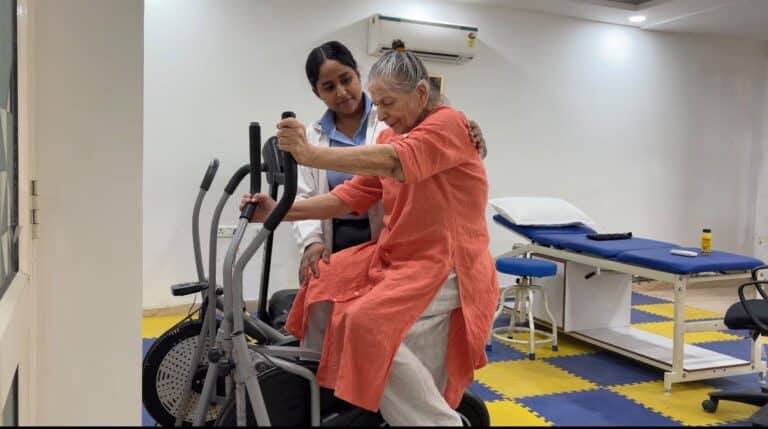

Adjusting to assisted living commonly takes about six to twelve weeks, although every person is different. Familiar routines, family reassurance, meaningful activities and consistent caregivers can make the transition gentler.
🩺 Medically Reviewed by: Dr. Vishal Siwach
How long seniors take to adjust in assisted living, and how can families make the transition easier?
Adjusting to assisted living can take 6 to 12 weeks, although every individual is different. The transition depends on factors such as health, personality, previous lifestyle, family support, and the quality of care provided. With patience, encouragement, and a welcoming environment, many older adults gradually build new routines, form friendships, and begin to feel at home.
It is natural for a family to wonder how long the adjustment will take and what challenges may arise during the transition. Let’s understand the factors that influence the adjustment period, signs of a successful transition, process time, and practical ways to support a loved one during this important life change.
Adjusting in Assisted Living at a Glance
| Topic | Quick Answer |
|---|---|
| Average Adjustment Time | Most seniors settle into assisted living within 6–12 weeks. |
| What Affects the Transition? | Health, personality, family involvement, previous routine, and level of care. |
| Common Challenges | Missing home, adapting to a new routine, and building new relationships. |
| How Families Can Help | Visit regularly, stay positive, encourage participation, and give the adjustment process time. |
| When to Seek Extra Support | If a senior continues to experience severe distress, withdrawal, or difficulty adapting after several weeks. |
Transition to Senior and Assisted Living in Gurgaon: The expected timeframe for seniors to adjust in Assisted living is between six and twelve weeks. Adapting to communal living and relying on caregivers for assistance with tasks in Assisted Living, which they once managed independently, can be a source of anxiety and frustration.
Quick Summary of the article:
- Most seniors adjust to assisted living within 6–12 weeks.
- Every transition is unique and depends on individual circumstances.
- Family encouragement plays an important role in helping seniors settle comfortably.
- Participating in activities and following a daily routine often speeds up the adjustment process.
- Patience and consistent support help older adults feel more confident in their new home.
Adjustment to assisted living is rarely immediate. Small improvements in mood, social interaction, and daily participation often indicate that a senior is beginning to feel at home.
The biggest challenge for seniors is often leaving a familiar home and adapting to a new routine. Feelings of uncertainty or homesickness are common during the first few weeks but usually improve with time and support.
Is it normal for seniors to feel emotional after moving to assisted living?
Yes. Many older adults experience a mix of emotions during the transition. With patience, reassurance, and compassionate care, these feelings often lessen as they settle into their new routine.

How Long Does It Take for Seniors to Adjust to Assisted Living?
Most seniors begin to feel comfortable in assisted living within 6 to 12 weeks. Some adjust within a few weeks, while others may take several months depending on their health, personality, previous lifestyle, and level of family support.
Adjusting to a new home is a gradual process. As seniors become familiar with their surroundings, build relationships, and settle into a daily routine, they often gain confidence and begin to feel at home
As per the data, the age demographics of Seniors who move to Assisted Living are “81% of them are 75 years and above”.
Typical Adjustment to Assisted Living Timeline
| Time Period | What Families Can Expect |
|---|---|
| First Week | Seniors become familiar with their new surroundings, caregivers, and daily routine. |
| Weeks 2–4 | Many begin participating in activities, meeting other residents, and feeling more comfortable. |
| Weeks 4–8 | Daily routines become familiar, confidence grows, and emotional adjustment improves. |
| Weeks 8–12 | Most seniors feel settled, develop friendships, and experience a greater sense of belonging. |
Good to Know:
Every senior adjusts at their own pace. Patience, encouragement, and family involvement play an important role in making the transition smoother.

What Factors Affect the Adjustment Period?
Every senior’s transition is unique. Understanding the factors that affect the adjustment period helps families set realistic expectations and provide the right support during this period.
Factors That Influence the Transition
| Factor | How It Affects the Adjustment |
|---|---|
| Physical Health | Seniors with good mobility and overall health may adapt more quickly to new routines and activities. |
| Emotional Readiness | Accepting the move and maintaining a positive outlook often makes the transition smoother. |
| Previous Lifestyle | Seniors who have lived independently for many years may need more time to adapt to a shared community environment. |
| Personality | Outgoing individuals often build new friendships faster, while others may need additional encouragement. |
| Family Involvement | Regular visits, phone calls, and emotional support help seniors feel connected and reassured. |
| Quality of Care | Compassionate caregivers, personalised support, and engaging activities create a welcoming environment that encourages a smoother adjustment. |
Family Tip:
Encourage your loved one to participate in activities, personalise their room with familiar belongings, and maintain regular family contact during the first few weeks. Small steps often make the biggest difference in helping seniors feel at home.
What Are the Signs That a Senior Is Adjusting Well to Assisted Living?
A senior who is adjusting well to assisted living usually becomes more comfortable with their daily routine, participates in activities, builds relationships with caregivers and other residents, and shows greater confidence and emotional well-being. These positive changes often appear gradually over the first few weeks or months.
Positive Signs of a Successful Transition
| Sign | What It Indicates |
|---|---|
| Participates in Daily Activities | Shows interest in hobbies, exercise, or group events. |
| Builds New Relationships | Feels comfortable interacting with caregivers and other residents. |
| Follows a Daily Routine | Adapts to regular meal times, activities, and rest schedules. |
| Appears More Relaxed | Shows less anxiety and greater emotional comfort in the new environment. |
| Expresses Positive Feelings | Talks positively about the community, staff, or new friends. |
| Maintains Good Appetite and Sleep | Indicates increasing physical and emotional stability. |
Good to Know:
Every senior adjusts at a different pace. Some show positive changes within a few weeks, while others may take longer. Consistent encouragement and patience from both family members and caregivers can make the transition smoother.
What Challenges Do Seniors Face When Adjusting to Assisted Living?
During the adjustment period, some seniors may miss their home, struggle with a new routine, or feel uncertain about meeting new people. These feelings are common and usually improve with time, family support, and compassionate care.
Moving to a new home is a significant life change. Understanding the challenges seniors may experience helps families provide reassurance and support during the transition.
Common Challenges and How They Can Be Managed
| Challenge | How Families and Caregivers Can Help |
|---|---|
| Missing Home | Encourage regular family visits and bring familiar belongings to make the new room feel more personal. |
| Difficulty Adjusting to a New Routine | Give seniors time to adapt gradually while maintaining familiar daily habits where possible. |
| Feeling Lonely or Isolated | Encourage participation in social activities and introduce them to other residents with similar interests. |
| Anxiety About Change | Listen patiently, acknowledge their concerns, and provide emotional reassurance throughout the transition. |
| Reluctance to Accept Help | Respect their independence while encouraging support only when needed. |
| Building New Relationships | Gentle encouragement and regular participation in community activities often help friendships develop naturally. |
Family Tip:
Avoid expecting an immediate adjustment. Celebrate small milestones, stay involved, and reassure your loved one that adapting to a new environment is a gradual process. Patience and consistent support often make the biggest difference.

What Are the Benefits of Moving to Assisted Living?
Moving to assisted living can improve a senior’s quality of life by providing personalized care, a structured daily routine, nutritious meals, social opportunities, and access to healthcare support. Many seniors become more active, confident, and independent once they settle into their new environment.
Although the transition may feel challenging at first, many older adults discover that assisted living reduces daily stress and allows them to enjoy a safer, healthier, and more fulfilling lifestyle.
Benefits of Assisted Living
| Benefit | How It Helps Seniors |
|---|---|
| Personalized Care | Seniors receive support based on their individual needs while maintaining as much independence as possible. |
| Safe Living Environment | Features such as emergency assistance and accessible spaces help reduce everyday risks. |
| Nutritious Meals | Regular, balanced meals support better health and overall well-being. |
| Social Connections | Daily activities and community living encourage friendships and reduce loneliness. |
| Healthcare Support | Medication assistance, health monitoring, and access to professional care help seniors manage their health more effectively. |
| Less Stress for Families | Families gain confidence knowing their loved one has access to consistent care and support. |
Did You Know?
Many seniors initially hesitate to move into assisted living, but after settling in, they often enjoy greater social interaction, a healthier routine, and a renewed sense of purpose.

How Can Families Help Seniors Adjust to Assisted Living?
Families play an important role in helping seniors adjust to assisted living. Regular visits, positive encouragement, familiar belongings, and open communication can make the transition smoother.
The first few weeks are often the most important. Small gestures and consistent support can help seniors build trust, establish new routines, and feel more at home.
Ways Families Can Support the Transition
| What Families Can Do | Why It Helps |
|---|---|
| Visit Regularly | Familiar faces provide comfort and emotional reassurance during the initial adjustment period. |
| Bring Personal Belongings | Family photos, favourite books, and familiar décor help create a sense of home. |
| Encourage Participation | Joining activities and meeting other residents helps seniors build friendships and confidence. |
| Maintain Open Communication | Listening to concerns and discussing their experiences helps seniors feel understood and supported. |
| Stay Positive | A calm and encouraging attitude helps reduce anxiety and builds confidence in the decision. |
| Work with the Care Team | Sharing preferences, routines, and health information enables caregivers to provide more personalised support. |
Family Tip:
Give your loved one time to adjust at their own pace. Avoid making quick judgments during the first few weeks. Patience, encouragement, and regular communication often make the transition smoother for everyone involved.

Why Does a Welcoming Environment Make Adjustment Easier?
A welcoming and inclusive environment helps seniors adjust more comfortably to assisted living. Familiar food, cultural traditions, personal preferences, and meaningful social connections can reduce anxiety and create a stronger sense of belonging during the transition.
What Helps Seniors Feel at Home?
| Feature | How It Supports the Transition |
|---|---|
| Respect for Personal Preferences | Helps seniors maintain familiar routines and daily habits. |
| Familiar Meals | Provides comfort and a sense of home through preferred foods. |
| Celebrating Festivals and Traditions | Maintains emotional connections with lifelong customs and values. |
| Friendly Community | Encourages friendships and reduces feelings of loneliness. |
| Personalised Care | Respects each senior’s background, preferences, and individual needs. |
Did You Know?
Feeling respected and understood can make the transition to assisted living more comfortable and help seniors settle into their new home with greater confidence.
Choose an Assisted Living that feels good and you can trust.
Final Thoughts
Everyone is unique and has their interests and preferences, which can affect how well they adjust to Assisted Living. But thorough research before joining any Assisted Living can be a game-changer. While the first few weeks may bring new experiences and emotions, many older adults gradually become comfortable as they build routines, form friendships, and receive the support they need.
Taking these personal preferences into account helps to make a better time in choosing the best Assisted Living Facility for your loved ones. Assisted living is designed to support independence while providing help with daily activities only when needed. Many seniors continue to make their own choices and enjoy an active lifestyle.
Frequently Asked Questions
How long does it take to adjust to assisted living?+
Most seniors settle into assisted living within 6 to 12 weeks, though the exact timeline varies by individual. Health, social participation, and emotional readiness all shape how quickly the transition feels comfortable, and support from caregivers and family often makes the process faster.
When should an elderly person consider a care home?+
An elderly person should consider a care home when daily tasks become difficult to manage safely, often due to health needs or safety concerns. Common signs include frequent falls, medication mix ups, persistent loneliness, or memory issues.
What should families do if a senior is still struggling to adjust after a few months?+
If distress, withdrawal, or real difficulty continues well beyond the typical 6 to 12 week window, it’s worth raising with the care team. This could mean adjusting the care plan, increasing family involvement, or revisiting whether the current setting is the right fit.
Can professional caregivers help during the adjustment period?+
Yes. Professional caregivers play a significant role during the adjustment period. They offer personalised support and emotional reassurance, and help seniors build new routines, leading to a smoother and often faster transition.
What emotional changes are normal after moving into senior living?+
It’s normal to experience mood swings, including homesickness, anxiety, and low mood, especially in the first few weeks. As seniors build new friendships and settle into routines, these feelings typically ease into a stronger sense of comfort and belonging.
Do all seniors adjust to assisted living at the same pace?+
No, adjustment speed varies widely from person to person. Health, personality, previous living situation, and the amount of family support all play a role, some seniors settle in within a couple of weeks, while others may take a few months.
How often should family visit during the adjustment period?+
Regular visits, ideally weekly in the first month, help reassure a senior during the early adjustment period. As they settle in and build their own routines and friendships, most families find they can gradually space visits out further.
What can families bring to help a senior settle in faster?+
Familiar items like family photos, a favourite chair or blanket, and personal décor help a new room feel like home much faster. Small, familiar touches often ease anxiety more than expected during the first few weeks.
Is it normal for a senior to ask to go back home during the adjustment period?+
Yes, this is a common and normal part of adjusting to a major change. Gently acknowledging their feelings while encouraging them to give the new routine time usually helps these requests ease as they settle in.
Does the type of care needed affect how long adjustment takes?+
Yes, seniors with more complex health needs or memory conditions may take longer to adjust than those who are relatively active and healthy. Personalised care plans and consistent caregivers help make the process smoother regardless of care level.
Can joining activities early speed up the adjustment process?+
Yes, seniors who participate in community activities early on tend to build friendships and feel settled faster than those who stay withdrawn. Encouraging even small steps, like joining one activity a week, can make a real difference.
Need help comparing senior care options?
Talk with the Gracias Living care team or plan a personal visit to our Gurgaon residences.