
Post-Stroke Rehabilitation Roadmap to Recovery
Post-Stroke Rehabilitation is a journey that requires time, patience, the right therapies, and continuous support. This guide helps families understand what post-stroke rehabilitation involves, what recovery may look like, and how personalised rehabilitation can help stroke survivors regain independence and improve their quality of life.
📖 14-minute read
📅 Last updated: July 2026
✍️ Written by: Meenakshi Dawar
👨⚕️ Expert Reviewed by: Dr. Vishal Siwach, COO, Gracias Living
Post-stroke rehabilitation is a structured recovery program designed to help stroke survivors regain physical, cognitive, and communication abilities after a stroke. Through personalised therapies, medical supervision, and continuous support, rehabilitation helps improve mobility, speech, daily functioning, and independence. While every recovery journey is different, early rehabilitation offers the best opportunity to maximise recovery and improve long-term quality of life.
Key Takeaway:
| Topic | Key Takeaway |
|---|---|
| What is post-stroke rehabilitation? | A structured recovery program that helps stroke survivors regain physical, cognitive, and communication abilities. |
| When should rehabilitation begin? | As early as medically possible after a stroke, based on the treating doctor’s advice. |
| Who benefits from rehabilitation? | Anyone experiencing physical, speech, swallowing, or cognitive challenges after a stroke. |
| What therapies are included? | Physiotherapy, occupational therapy, speech therapy, swallowing therapy, cognitive rehabilitation, and nutritional support. |
| How long does recovery take? | Recovery varies for every individual and may continue for months or even years. |
| Can stroke survivors recover completely? | Many people make significant progress with early and consistent rehabilitation, although recovery differs from person to person. |
What Is Post-Stroke Rehabilitation?
Post-stroke rehabilitation is a personalised recovery program that helps stroke survivors regain physical, speech, cognitive, and daily living abilities after a stroke. It combines different therapies, medical care, and emotional support to help individuals achieve the highest possible level of independence.
A stroke can affect the brain in different ways. Some people lose strength or movement on one side of the body. Others may have difficulty speaking, swallowing, remembering, or performing everyday tasks.
Post-stroke rehabilitation begins after the person’s condition becomes medically stable. The goal is to help stroke survivors regain lost abilities, improve independence, and return to daily life as safely as possible.
A rehabilitation team works together to support recovery. This team may include physiotherapists, occupational therapists, speech and language therapists, rehabilitation doctors, nurses, dietitians, and psychologists. They create a personalised rehabilitation plan based on the survivor’s needs and recovery goals.
Stroke recovery takes time. Some people recover quickly, while others continue to improve over several months or years. Early rehabilitation, regular therapy, and strong family support help many stroke survivors achieve the best possible recovery.
Every recovery journey is different. With early rehabilitation, regular therapy, and ongoing support, many stroke survivors continue to make meaningful progress over time.
Why Is Early Post-Stroke Rehabilitation Important?
Early post-stroke rehabilitation helps the brain and body begin recovering as soon as it is medically safe to do so. Starting rehabilitation early can improve mobility, speech, balance, daily functioning, and independence while reducing the risk of complications and long-term disability.
The first few weeks after a stroke are an important part of the recovery journey. During this time, the brain has a greater ability to adapt and form new connections. Early rehabilitation helps survivors make the most of this natural recovery process.
Starting rehabilitation early also helps prevent complications that can develop after a stroke, such as muscle stiffness, joint problems, pressure injuries, reduced mobility, and loss of confidence. The earlier therapy begins, the sooner stroke survivors can start rebuilding strength, balance, communication, and everyday skills.
Rehabilitation does not stop after leaving the hospital. Recovery continues at home or in a specialised rehabilitation centre through regular therapy, medical supervision, and family support. Consistent rehabilitation often leads to better long-term outcomes than delaying or stopping therapy too soon.
Recovery Benefits of Early Rehabilitation
| Early Rehabilitation Helps | How It Supports Recovery |
|---|---|
| Improve mobility | Helps rebuild strength, balance, and coordination. |
| Restore daily living skills | Makes everyday activities easier and safer. |
| Improve speech and communication | Supports language, speech, and swallowing recovery. |
| Prevent complications | Reduces stiffness, muscle weakness, and other health risks. |
| Build confidence | Encourages independence and emotional well-being. |
| Maximise recovery | Gives stroke survivors the best opportunity to regain lost abilities. |
Early rehabilitation does not guarantee complete recovery, but it gives stroke survivors the best opportunity to regain independence and improve their quality of life.
What Does Post-Stroke Rehabilitation Include?
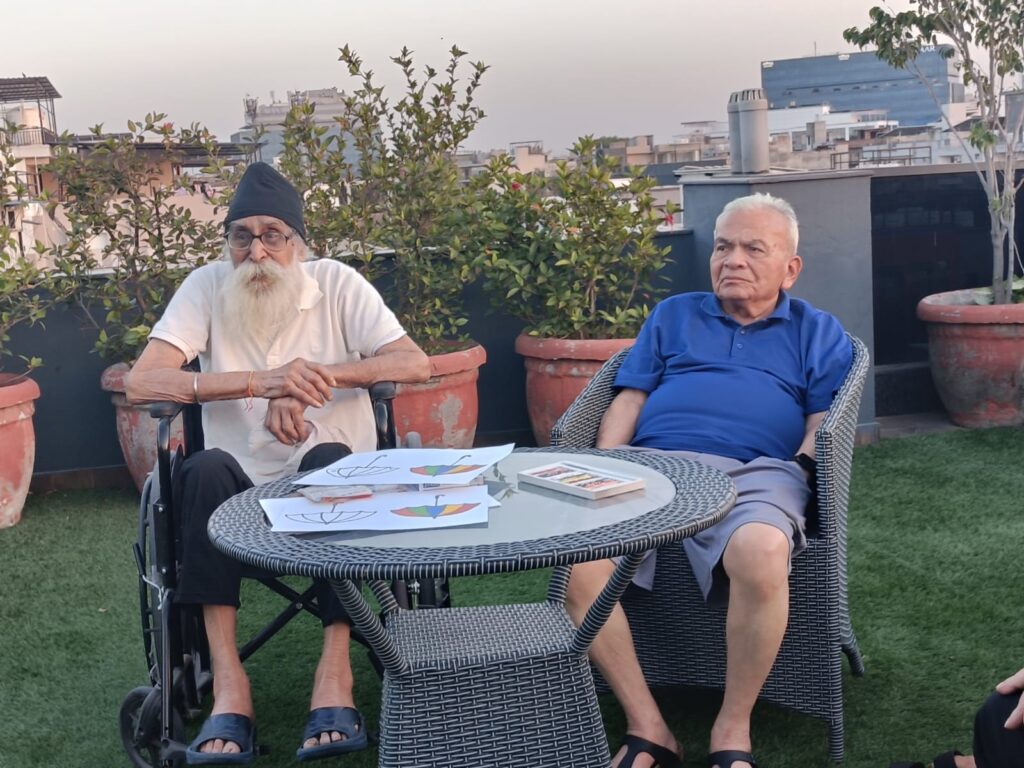
Post-stroke rehabilitation combines different therapies to help stroke survivors recover physical strength, mobility, communication, swallowing, cognitive abilities, and independence. The rehabilitation programme is personalised based on the survivor’s condition, recovery goals, and overall health.
No two stroke survivors recover in the same way. Some may need help walking again, while others may need support with speaking, swallowing, memory, or performing everyday activities. A personalised rehabilitation plan focuses on the individual’s specific challenges and recovery goals.
Rehabilitation Services at a Glance
| Therapy | Purpose | How It Helps |
|---|---|---|
| Physiotherapy | Improve movement and strength | Helps restore balance, coordination, mobility, and muscle strength. |
| Occupational Therapy | Regain daily living skills | Helps survivors become more independent in activities such as dressing, bathing, eating, and writing. |
| Speech & Language Therapy | Improve communication | Helps with speaking, understanding language, swallowing, and communication difficulties. |
| Cognitive Rehabilitation | Improve brain function | Supports memory, attention, problem-solving, and thinking skills affected by stroke. |
| Psychological & Emotional Support | Improve emotional well-being | Helps manage anxiety, depression, frustration, and adjustment after stroke. |
| Nutrition & Swallowing Support | Promote safe eating and recovery | Ensures proper nutrition while reducing the risk of choking and swallowing complications. |
| Medical Monitoring | Track recovery safely | Regular assessments help adjust treatment and rehabilitation plans as recovery progresses. |
Successful stroke rehabilitation is not about one therapy alone. It is the combination of personalised therapies, regular medical supervision, and consistent family support that helps stroke survivors achieve the best possible recovery.
Who Is Involved in a Stroke Survivor’s Recovery?
Stroke recovery is a team effort. A multidisciplinary rehabilitation team works together to help stroke survivors regain independence, improve daily functioning, and achieve the best possible recovery. Family members also play an important role by providing encouragement, emotional support, and continuity of care.
Rehabilitation Team
| Team Member | Role in Recovery |
|---|---|
| Rehabilitation Physician | Oversees the rehabilitation plan, monitors progress, and coordinates medical care. |
| Physiotherapist | Helps improve strength, balance, mobility, coordination, and walking ability. |
| Occupational Therapist | Helps survivors regain independence in daily activities such as dressing, bathing, eating, and writing. |
| Speech & Language Therapist | Supports recovery of speech, communication, language, and swallowing abilities. |
| Nurse | Provides day-to-day clinical care, medication support, and health monitoring. |
| Dietitian | Plans balanced nutrition and recommends dietary changes to support recovery and safe swallowing. |
| Psychologist or Counsellor | Helps manage emotional changes such as anxiety, depression, stress, and adjustment after stroke. |
| Family Caregivers | Encourage rehabilitation, provide emotional support, and help continue therapy and healthy routines at home. |
Successful stroke rehabilitation is built on teamwork. When healthcare professionals, caregivers, and families work together, stroke survivors receive the support they need to regain confidence, rebuild independence, and improve their quality of life.
The 5 Pillars of Successful Stroke Recovery
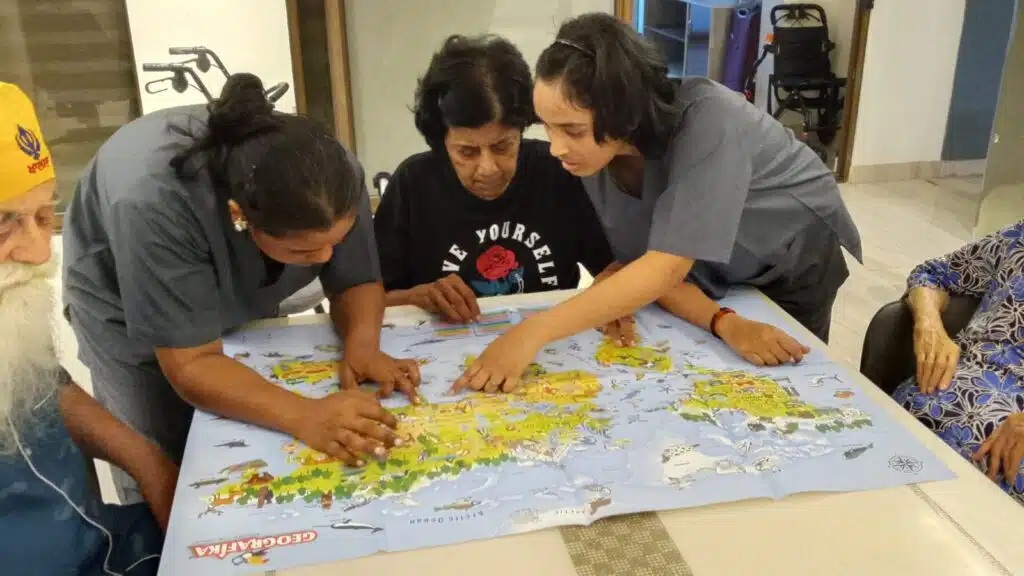
Successful stroke rehabilitation is not based on one therapy alone. Recovery depends on five key pillars working together to help stroke survivors regain independence and improve their quality of life.
| Pillar | Why It Matters |
|---|---|
| 🕒 Early Rehabilitation | Starting therapy as soon as medically possible gives the brain and body the best opportunity to recover. |
| 💪 Personalised Therapy | Every stroke is different. Rehabilitation plans should match the survivor’s abilities, goals, and progress. |
| 🔄 Consistency | Regular therapy and daily practice help strengthen recovery over time. |
| ❤️ Family Support | Encouragement, patience, and involvement from loved ones improve confidence and motivation. |
| 👩⚕️ Ongoing Medical Care | Regular reviews help monitor progress, adjust therapies, and manage health conditions during recovery. |
When these five pillars work together, stroke survivors have the best opportunity to regain independence, improve daily functioning, and rebuild confidence throughout their recovery journey.
How Long Does Post-Stroke Rehabilitation Take?
The duration of post-stroke rehabilitation varies from person to person. Some stroke survivors recover significant function within a few months, while others continue to improve over several months or even years. Recovery depends on factors such as the type and severity of the stroke, the person’s overall health, the timing of rehabilitation, and consistency with therapy.
Stroke Recovery Timeline
| Recovery Stage | What Families Can Expect |
|---|---|
| First Few Days | Medical stabilisation begins. The rehabilitation team assesses physical, speech, swallowing, and cognitive abilities. |
| First Month | Therapy focuses on improving strength, mobility, communication, and daily activities. Many survivors begin to show early improvements. |
| 1–3 Months | This is often the period of the fastest recovery. Regular therapy can lead to significant gains in movement, balance, speech, and independence. |
| 3–6 Months | Recovery continues through consistent rehabilitation. Survivors often build endurance, confidence, and greater independence in everyday activities. |
| Beyond 6 Months | Progress may become slower, but many people continue to improve with ongoing therapy, exercise, and family support. Recovery can continue for years. |
Factors That Influence Recovery
- The type and severity of the stroke.
- How quickly rehabilitation begins.
- The survivor’s age and overall health.
- Participation in regular therapy sessions.
- Support from family and caregivers.
- Motivation and consistency throughout rehabilitation.
Recovery after a stroke is a marathon, not a sprint.
Can Stroke Survivors Recover Completely?
Some stroke survivors recover most or all of their lost abilities, while others continue to live with long-term physical, speech, or cognitive challenges. The extent of recovery depends on factors such as the type and severity of the stroke, how quickly rehabilitation begins, overall health, and participation in ongoing therapy. Early rehabilitation and consistent support can help maximise recovery and improve quality of life.
Recovery after a stroke is different for every person. Some survivors regain their independence within a few months, while others require longer-term rehabilitation and continued support. There is no single recovery timeline or guaranteed outcome.
The brain has an incredible ability to adapt and create new pathways after a stroke—a process known as neuroplasticity. Through regular therapy, repetition, and practice, many stroke survivors continue to regain important skills, even months after the stroke.
Rather than asking whether recovery will be complete, families may find it more helpful to ask:
“How much independence can my loved one regain with the right rehabilitation and support?”
For many stroke survivors, meaningful recovery includes walking independently, communicating more effectively, performing daily activities, and enjoying a better quality of life.
When Should You Consider a Post-Stroke Rehabilitation Centre?
A post-stroke rehabilitation centre may be the right choice when a stroke survivor needs intensive therapy, 24/7 medical supervision, specialised rehabilitation, or support with daily activities that cannot be safely managed at home. The decision depends on the survivor’s medical condition, recovery goals, and the level of care required.
Signs That Professional Stroke Rehabilitation May Be Needed
| Sign | Why Professional Rehabilitation Helps |
|---|---|
| Difficulty walking or maintaining balance | Structured physiotherapy improves strength and mobility, which reduces the risk of falls. |
| Difficulty speaking or swallowing | Speech and swallowing therapy to improve communication and eating safely. |
| Needs help with daily activities | Occupational therapy helps regain independence in dressing, bathing, eating, and other everyday tasks. |
| Frequent medical complications | Regular medical supervision allows timely monitoring and adjustment of the rehabilitation plan. |
| Limited family support at home | A rehabilitation centre provides continuous care, therapy, and professional assistance. |
| Slow or limited recovery | A multidisciplinary rehabilitation programme helps maximise recovery through personalised therapies. |
Choosing a rehabilitation centre is not about replacing family care. It is about providing the specialised therapies, medical expertise, and structured support that can help stroke survivors achieve the best possible recovery while giving families confidence and peace of mind.
What to Look for in a Post-Stroke Rehabilitation Centre?
Look for a post-stroke rehabilitation centre that provides personalised rehabilitation, experienced therapists, medical supervision, and a safe environment. The right centre supports recovery, promotes independence, and helps stroke survivors achieve the best possible quality of life. Cost also plays a vital role in deciding on the facility.
Checklist for Choosing a Post-Stroke Rehabilitation Centre
| What to Look For | Why It Matters |
|---|---|
| Personalised Rehabilitation Plans | Every stroke survivor has different recovery goals and care needs. Individualised therapy supports better outcomes. |
| Experienced Multidisciplinary Team | Physiotherapists, occupational therapists, speech therapists, doctors, nurses, dietitians, and psychologists work together to provide comprehensive care. |
| Comprehensive Rehabilitation Services | Access to physiotherapy, occupational therapy, speech therapy, cognitive rehabilitation, nutrition, and nursing support ensures holistic recovery. |
| 24/7 Medical and Nursing Care | Continuous monitoring allows early identification and management of medical concerns during recovery. |
| Safe and Accessible Environment | A rehabilitation-friendly environment reduces the risk of falls and supports safe mobility. |
| Regular Progress Reviews | Ongoing assessments help adjust rehabilitation goals and therapies as recovery progresses. |
| Family Involvement | Regular communication and caregiver education help families actively support recovery after discharge. |
| Focus on Independence and Quality of Life | Rehabilitation should help survivors regain confidence, perform daily activities, and achieve the highest possible level of independence. |
How Gracias Living Supports Post-Stroke Rehabilitation
Recovering from a stroke requires more than therapy alone. It requires a coordinated approach that combines personalised rehabilitation, medical supervision, emotional support, and a safe environment where every stage of recovery is carefully guided.
At Gracias Living, our multidisciplinary care team creates rehabilitation plans based on each resident’s condition, recovery goals, and functional abilities. Through physiotherapy, occupational therapy, speech therapy, nursing care, nutritional support, and continuous medical monitoring, we help stroke survivors work towards greater independence while improving their comfort, confidence, and overall quality of life.
Our goal is not only to support recovery but also to help every resident regain dignity, rebuild confidence, and enjoy the highest possible quality of life in a compassionate and supportive environment.
Frequently Asked Questions About Post-Stroke Rehabilitation
Here are answers to some of the most common questions families ask about post-stroke rehabilitation, recovery, and choosing the right rehabilitation programme.
What is post-stroke rehabilitation?
Post-stroke rehabilitation is a structured recovery programme that helps stroke survivors regain physical strength, mobility, speech, cognitive abilities, and independence through personalised therapies and medical support.
Stroke
↓
Medical Stabilisation
↓
Early Rehabilitation
↓
Therapy & Recovery
↓
Regaining Independence
↓
Long-Term Wellness
When should post-stroke rehabilitation begin?
Rehabilitation should begin as soon as the person’s condition is medically stable and the treating doctor recommends it. Early rehabilitation can improve recovery and reduce the risk of complications.
How long does post-stroke rehabilitation take?
Recovery varies for every person. Some survivors recover within a few months, while others continue to improve over several months or years with regular rehabilitation and ongoing support.
Can a stroke survivor recover completely?
Some people recover most of their abilities, while others continue to live with long-term challenges. Early rehabilitation, consistent therapy, and family support help maximise recovery and improve quality of life.
What therapies are included in post-stroke rehabilitation?
Rehabilitation may include physiotherapy, occupational therapy, speech and language therapy, cognitive rehabilitation, nutritional support, and psychological care, depending on the survivor’s needs.
When should a rehabilitation centre be considered?
A rehabilitation centre may be beneficial when a stroke survivor needs intensive therapy, medical supervision, specialised rehabilitation, or assistance with daily activities that cannot be safely managed at home.
Can rehabilitation continue after hospital discharge?
Yes. Recovery often continues after hospital discharge through outpatient therapy, home-based rehabilitation, or specialised rehabilitation centres. Consistent therapy remains important throughout the recovery journey.
How can families support stroke recovery?
Families can support recovery by encouraging therapy, creating a safe home environment, choosing the right stroke Rehabiliation Center to support recovery, attending medical appointments, and providing emotional support throughout the rehabilitation process.
Every Step Forward Is a Step Towards Recovery
Recovery after a stroke takes time, commitment, and the right support. While every journey is different, early rehabilitation, personalised care, and consistent therapy can help stroke survivors regain strength, confidence, and independence.
The goal of post-stroke rehabilitation is not simply to recover lost abilities but to help individuals live as fully and independently as possible. With the right rehabilitation programme, experienced healthcare professionals, and strong family support, meaningful progress is possible at every stage of recovery.
Take the Next Step Towards Recovery
Recovery after a stroke is a journey, and the right support can make every step more meaningful. At Gracias Living, we provide personalised post-stroke rehabilitation through experienced therapists, 24/7 nursing care, and compassionate support in a safe, recovery-focused environment.
If you’re exploring rehabilitation options for a loved one, schedule a personalised consultation or visit Gracias Living to see how we can support their recovery with dignity, confidence, and expert care.
📞 +91 8700484949 | 🌐 www.graciasliving.com